Targeted Google Ads for Dentists in Sydney to Acquire More Patients
In the competitive landscape of dental practices in Sydney, targeted Google Ads have emerged as a vital tool for patient acquisition. This article delves into the mechanics of Google Ads, exploring how they can be effectively utilized by dental clinics to attract local patients. Readers will learn about the benefits of pay-per-click (PPC) advertising, the importance of local targeting, and strategies to ensure compliance with AHPRA guidelines. Many dental practices struggle to reach their target audience effectively, leading to missed opportunities for patient engagement. By leveraging targeted Google Ads, dental practices can enhance their visibility and connect with potential patients more efficiently. This guide will cover the workings of Google Ads, local strategies, compliance considerations, cost expectations, and optimization techniques for specific dental services.
How Do Google Ads Work for Dentists in Sydney?
Google Ads operates on a pay-per-click (PPC) model, allowing dental practices to display ads to users searching for dental services in their area. When a user types a relevant query into Google, ads appear at the top of the search results, providing immediate visibility. This model is particularly beneficial for dental clinics as it ensures that advertising costs are only incurred when potential patients click on the ad, making it a cost-effective marketing strategy.
The increasing digital shift in the dental market underscores the necessity for robust online marketing strategies like PPC to attract new patients.
PPC Advertising for New Dental Patient Acquisition
Online marketing is becoming essential for many small businesses. Patients increasingly turn to the internet to seek and connect with service providers. The dental market has gone digital, with leading practices developing a web presence via websites and social media initiatives. This shift has made the internet a more crowded and competitive space for practices. Increasingly dentists and specialists are implementing sophisticated online promotion advertising to fortify their search engine visibility. Specifically we are experiencing a tremendous growth in online PPC advertising.
How PPC advertising might attract new patients to your practice, 2012
What Is PPC Advertising and Its Benefits for Dental Clinics?
PPC advertising is a digital marketing strategy where advertisers pay a fee each time their ad is clicked. For dental clinics, this approach offers several advantages:
- Cost-Effectiveness: Clinics only pay for actual clicks, ensuring that marketing budgets are spent efficiently.
- Targeted Reach: Ads can be tailored to specific demographics and locations, ensuring they reach potential patients actively seeking dental services.
- Measurable Results: PPC campaigns provide detailed analytics, allowing practices to track performance and adjust strategies accordingly.
These benefits make PPC an attractive option for dental practices looking to enhance their patient acquisition efforts.
Indeed, the strategic application of PPC campaigns is highly effective for generating leads, especially when targeting specific geographies and specialized dental services.
Targeted PPC Campaigns for Dental Lead Generation
Leads can be generated to the website with solid SEO (search engine optimization) and PPC (pay-per-click) campaigns. SEO involves a wide range of activities to get the website(s) ranking highly on Google. PPC campaigns are excellent at generating leads from targeted geographies for specific dental services such as dental implants, orthodontics, cosmetic dentistry and sleep medicine, among others.
How to effectively market your multi-location dental group, 2019
How Does Google Ads Target Local Sydney Dental Patients?
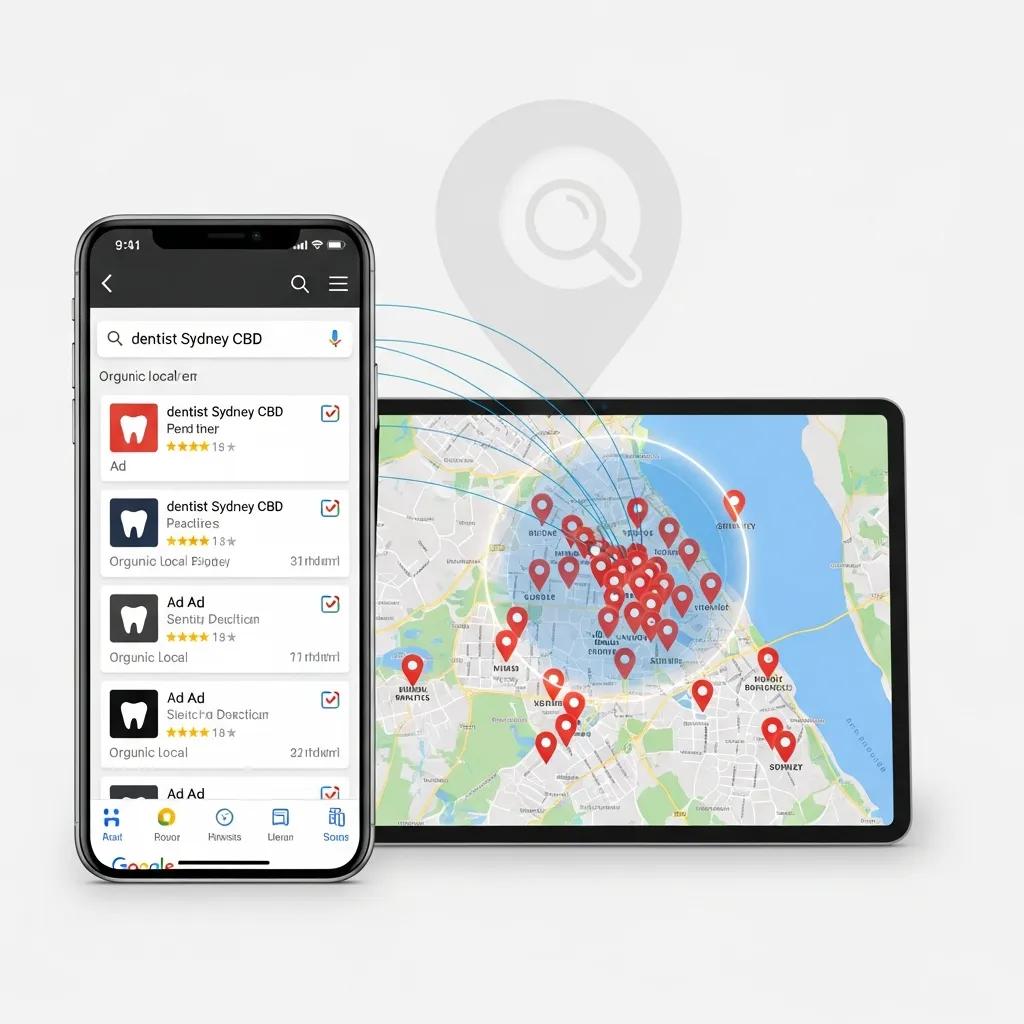
Google Ads employs geotargeting to ensure that ads are shown to users in specific locations. This feature is crucial for dental practices, as it allows them to reach potential patients in their immediate vicinity. By setting geographic parameters, clinics can ensure their ads appear to users searching for dental services within a defined radius.
This local targeting is particularly effective for attracting patients who are looking for nearby dental services, as surveys indicate that most individuals prefer to visit a dentist close to their home or workplace. Successful local targeting can significantly increase foot traffic to dental practices, leading to higher patient conversion rates.
What Are the Best Local Google Ads Strategies for Sydney Dental Practices?
To maximize the effectiveness of Google Ads, dental practices should implement several local strategies tailored to their specific market.
- Utilizing Google My Business: Integrating Google My Business with Google Ads enhances visibility in local searches. This integration allows practices to display essential information such as location, hours, and services directly in search results.
- Incorporating Local Keywords: Using keywords that reflect local search intent, such as “dentist in Sydney” or “Sydney dental clinic,” can improve ad relevance and click-through rates.
- Creating Location-Specific Landing Pages: Developing landing pages that cater to specific services and locations can enhance user experience and increase conversion rates.
These strategies collectively enhance the visibility of dental practices in local search results, driving more targeted traffic to their websites.
How to Use Geotargeting to Attract Nearby Patients?
Geotargeting is a powerful tool for dental practices aiming to attract local patients. By setting specific geographic parameters, practices can ensure their ads are displayed to users within a certain radius. This approach allows clinics to focus their advertising efforts on individuals who are most likely to convert into patients.
For example, a dental practice in Sydney can target ads to users searching for dental services within a 10- to 20-kilometer radius. This strategy not only increases the likelihood of attracting local patients but also optimizes advertising spend by focusing on a relevant audience.
How Does Google My Business Integration Enhance Dental Ads?
Integrating Google My Business with Google Ads significantly enhances the effectiveness of dental advertising. This integration allows practices to display vital information such as their address, phone number, and operating hours directly in search results.
Moreover, it enables practices to showcase patient reviews and ratings, which can influence potential patients’ decisions. By leveraging this integration, dental clinics can improve their online presence and attract more local patients searching for dental services.
How Can Sydney Dentists Ensure AHPRA Compliant Google Ads?
Compliance with AHPRA guidelines is crucial for dental practices when creating Google Ads. These guidelines ensure that advertising is ethical and does not mislead potential patients.
The importance of adhering to these guidelines is further highlighted by instances where non-compliant advertising has led to formal complaints against dental practitioners.
AHPRA Compliance in Australian Dental Advertising
complaints about the website content of dental practitioners.7 Across Australia, in 2015–2016, AHPRA received 196 complaints that were dentistry-related statutory offences with almost
How compliant are dental practice Facebook pages with Australian health care advertising regulations?
A Netnographic review, ACL Holden, 2015
What Are the Key AHPRA Advertising Guidelines for Dental Practices?
AHPRA guidelines stipulate several key principles for advertising by dental practices:
- Truthfulness: All claims made in advertisements must be truthful and not misleading.
- Professionalism: Advertisements should reflect the professionalism of the dental practice and not exploit patients’ vulnerabilities.
- No Guarantees: Practices must avoid making guarantees about treatment outcomes, as results can vary.
Adhering to these guidelines is essential for maintaining the integrity of the dental profession and ensuring patient trust.
Which Ad Copy Examples Are Compliant and Which to Avoid?
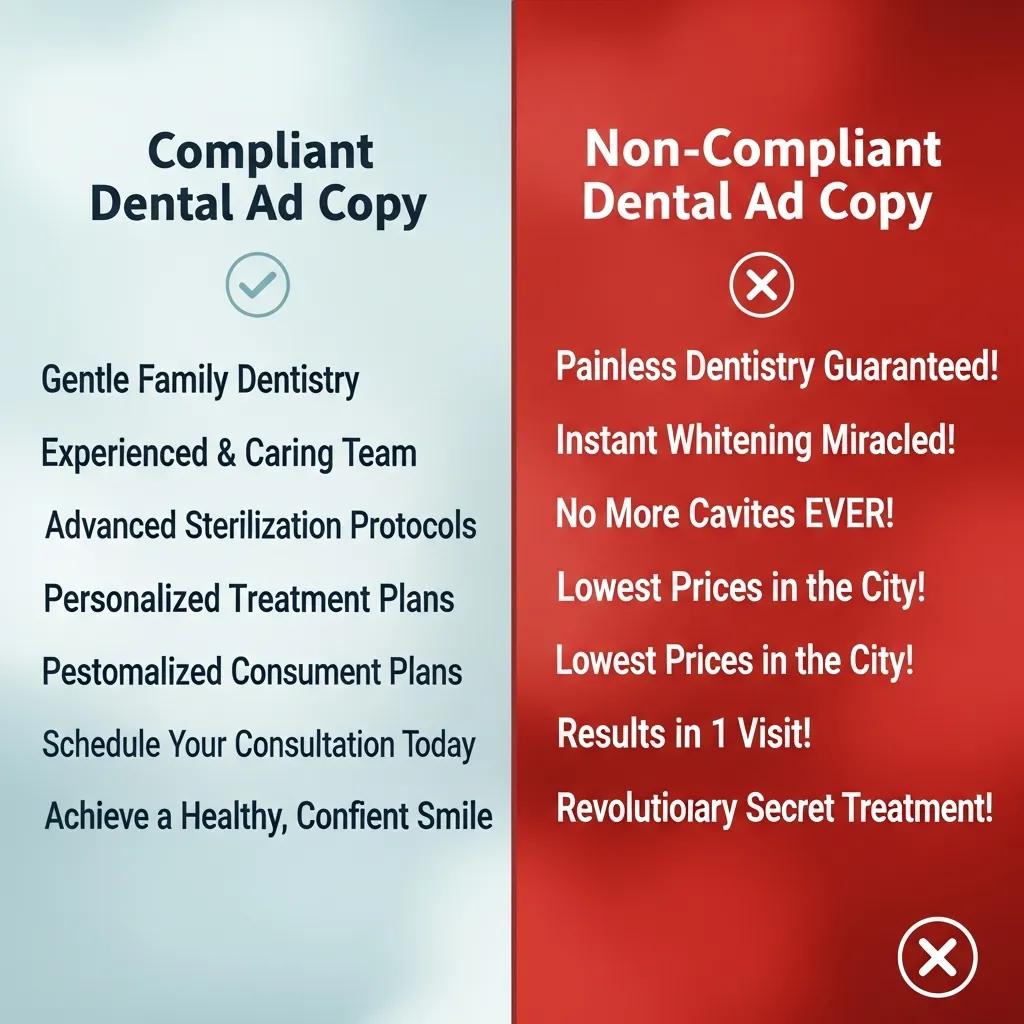
When crafting ad copy, dental practices should focus on compliance by avoiding exaggerated claims and ensuring clarity.
- “Experienced Sydney dentist offering comprehensive dental care.”
- “Gentle and professional dental services tailored to your needs.”
Non-Compliant Examples:
- “Guaranteed pain-free dental procedures.”
- “The best dentist in Sydney—100% satisfaction guaranteed.”
By following these examples, dental practices can create effective and compliant ad copy that resonates with potential patients.
What Is the Cost and Expected ROI of Google Ads for Sydney Dentists?
Understanding the costs associated with Google Ads is essential for dental practices looking to invest in this marketing strategy.
How Much Do Dentists Typically Spend on Google Ads in Sydney?
On average, dental practices in Sydney can expect to spend between AUD 1,000 to AUD 3,000 per month on Google Ads, depending on their marketing goals and competition in the area. Factors influencing costs include the competitiveness of keywords, the geographic area targeted, and the overall budget allocated for advertising.
How to Measure Success: KPIs and Conversion Tracking for Dental PPC?
To evaluate the effectiveness of Google Ads campaigns, dental practices should focus on key performance indicators (KPIs) such as:
- Click-Through Rate (CTR): Measures the percentage of users who click on the ad after seeing it.
- Conversion Rate: Indicates the percentage of users who take a desired action, such as booking an appointment.
- Cost Per Acquisition (CPA): Calculates the cost incurred to acquire a new patient through the ad campaign.
By tracking these metrics, dental practices can assess the success of their campaigns and make informed adjustments to improve performance.
How to Optimize Google Ads for Specific Dental Services in Sydney?
Optimizing Google Ads for specific dental services can significantly enhance patient acquisition efforts.
What Are Effective Campaigns for Invisalign, Implants, and Emergency Dentistry?
Dental practices can create targeted campaigns for specific services such as Invisalign, dental implants, and emergency dentistry.
- Invisalign Campaigns: Highlight the benefits of clear aligners and offer promotions for consultations.
- Implant Campaigns: Focus on the long-term benefits of dental implants and include patient testimonials.
- Emergency Dentistry Campaigns: Emphasize quick response times and availability for urgent dental issues.
These targeted campaigns can attract patients seeking specific services, increasing the likelihood of conversion.
How to Choose the Right Google Ads Agency for Dental Practices in Sydney?
Selecting the right Google Ads agency is crucial for dental practices looking to maximize their advertising efforts.
- Experience in Healthcare: Look for agencies with a proven track record in healthcare advertising, particularly in dental services.
- Transparent Reporting: Choose an agency that provides clear and detailed reporting on campaign performance.
- Customized Strategies: Ensure the agency offers tailored strategies that align with the specific goals of the dental practice.
By considering these factors, dental practices can find an agency that effectively supports their advertising needs.
| Strategy | Description | Expected Outcome |
|---|---|---|
| Geotargeting | Target ads to specific local areas | Increased local patient engagement |
| Google My Business Integration | Combine ads with business listings | Enhanced visibility and credibility |
| Local Keyword Optimization | Use location-specific keywords | Improved ad relevance and CTR |
This table summarizes key strategies that can enhance the effectiveness of Google Ads for dental practices, leading to better patient acquisition outcomes.
| Cost Category | Average Monthly Spend | Expected ROI |
|---|---|---|
| Google Ads Spend | AUD 1,000 – AUD 3,000 | 3:1 to 5:1 (varies by practice) |
This table outlines the typical costs associated with Google Ads for dental practices in Sydney, along with expected returns on investment, helping practices budget effectively for their advertising efforts.