Key Benefits of Visual Storytelling for Healthcare Practices
Visual storytelling in healthcare uses images, video, and designed sequences to explain clinical concepts, connect emotionally with patients, and prompt action. This approach works because narrative visuals harness emotional resonance and cognitive shortcuts to make complex medical information easier to understand, improving patient comprehension and trust. In this article, you will learn practical visual storytelling techniques, the measurable benefits for dental and small healthcare practices, how to integrate visuals with local SEO and Google Business Profile, and how to measure ROI using clear KPIs and tools. Many clinics struggle to translate clinical outcomes into patient-friendly messages; visual storytelling provides an evidence-based solution by combining patient-centered narratives with optimized visual content. The sections that follow cover key benefits, essential strategy elements, patient education applications, Australia-specific examples and measurement templates, plus current tools and trends such as AI-assisted workflows. Throughout, targeted phrases like visual storytelling techniques, benefits of visual content, and dental video marketing strategies Australia are woven in to help clinics adopt a measurable, local-first approach.
What Are the Key Benefits of Visual Storytelling in Healthcare Marketing?
Visual storytelling in healthcare conveys clinical value quickly by pairing narrative context with images or video, which reduces patient uncertainty and increases comprehension. The mechanism relies on emotional cues and information hierarchy: visuals shorten cognitive load and create memorable impressions that increase trust and recall. Benefits include better patient education, stronger trust signals through testimonials, and increased conversion pathways from GBP interactions to inquiries. These gains matter especially for small dental clinics seeking measurable uplift in local inquiries and reputation.
Visual storytelling delivers three primary outcomes for clinics:
- Improved patient understanding through explainer visuals that simplify procedures.
- Increased trust and social proof via patient testimonial videos and before-and-after galleries.
- Higher inquiry rates by linking visuals to clear calls to action and Google Business Profile media.
| Visual Benefit | Measurable Effect | Typical Patient Action |
|---|---|---|
| Patient education | Increased time on page and reduced consultation questions | Reads resources, books appointments |
| Trust & credibility | Higher GBP actions and more review submissions | Calls or contact form submissions |
| Treatment consideration | Increased conversions from before-and-after galleries | Requests consultations |
The table highlights how each visual benefit translates into an action clinicians can track and optimize. For practices wanting to scale these approaches, a structured Content Marketing service can help produce and deploy assets while maintaining a local SEO focus and measurement plan. If you want a straightforward next step, Milkcan Marketing can help clinics scope a visual content pilot focused on local patient acquisition.
How Does Visual Storytelling Enhance Patient Engagement and Trust?
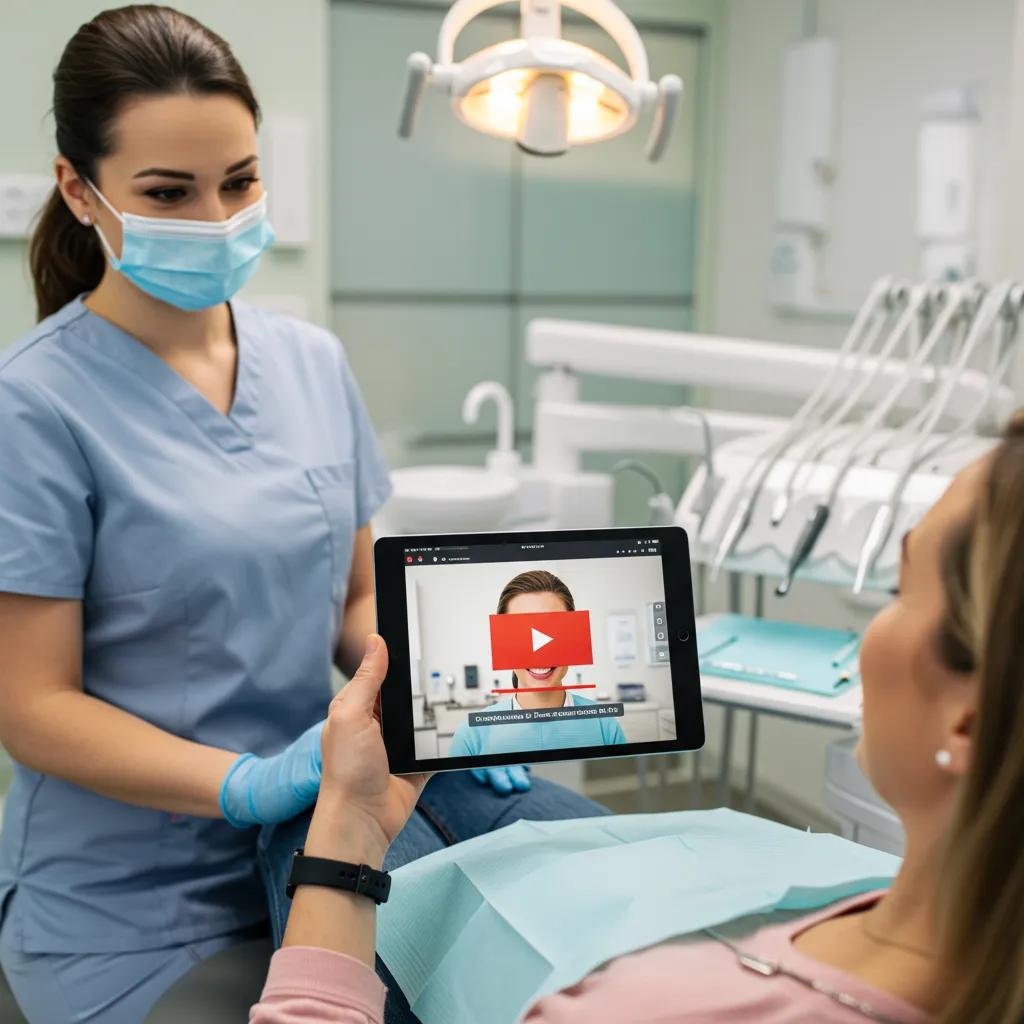
Visual storytelling enhances engagement by combining narrative arcs with authentic imagery, which creates emotional resonance and social proof that patients recognize quickly. Mechanistically, stories activate empathy and memory networks, making messages stick and reducing perceived risk for prospective patients. For example, short patient testimonial videos that follow a problem–solution–outcome arc tend to boost GBP interactions and appointment inquiries when paired with clear CTAs. Clinicians can replicate this by scripting concise testimonial segments and placing them on website landing pages and GBP galleries.
In What Ways Does Visual Content Simplify Complex Medical Information?
Visual content simplifies clinical detail by converting procedural steps into sequenced graphics, annotated photos, and short explainer clips that reduce jargon and support informed consent. The reason this works is that visuals offload verbal complexity into recognizable symbols and labeled imagery, which improves retention and patient confidence. A step-by-step infographic or a short procedure animation can cut pre-appointment explanation time and lower no-show risk by setting expectations. Clinics should prioritize clear captions, ALT text, and plain-language labels to ensure accessibility and reinforce learning.
How Can Visual Storytelling Improve Brand Recognition and Authority?
Consistent visual storytelling builds brand recognition by repeating visual motifs—color palette, staff imagery, and patient journey narratives—across website, social, and GBP media, which increases recall among local patients. The mechanism is associative memory: repeated, coherent visuals form mental shortcuts linking a clinic to trust and expertise. Educational content such as explainer videos and infographics positions clinicians as thought leaders while before-and-after galleries showcase results, reinforcing authority online. Practices that publish regular, on-brand visuals find their recognition improves in local searches and referral channels.
What Impact Does Visual Content Have on Driving Patient Inquiries and Conversions?
Visual content increases conversions by creating compelling entry points that guide users from awareness to action via optimized CTAs and evidence-based social proof. Visuals like procedural explainers and testimonial clips increase dwell time and video completion rates, which correlate with higher conversion likelihood on booking pages. For local SEO, optimized GBP photos and videos can directly prompt phone calls, driving directions, and website visits—actions you can measure through GBP insights and analytics. Pairing visual assets with clear, localized CTAs converts interest into inquiries more effectively than text-only content.
How Does Visual Storytelling Provide Competitive Advantage for Small Healthcare Practices?
Small clinics gain a competitive edge by localizing visual stories—showing real staff, patient journeys, and neighborhood context—to resonate with nearby patients in ways large campaigns cannot replicate. The mechanism is relevance: local, authentic visuals are more relatable and therefore more persuasive for people seeking nearby care. Low-cost tactics such as staff spotlight videos, before-and-after galleries with consent, and concise explainer posts create a meaningful local presence without large budgets. These approaches let practices compete on trust and relevance rather than production gloss.
A practical checklist of low-cost starter tactics helps clinics begin fast:
- Record short staff-introduction clips for GBP and socials.
- Publish annotated before-and-after photos with consent records.
- Produce one explainer infographic per common procedure.
What Are the Essential Elements of an Effective Visual Storytelling Strategy?
An effective visual storytelling strategy combines a clear narrative, format selection, distribution plan, and measurement to ensure visuals move patients through the care journey. The mechanism ties story elements to objectives: narrative creates relevance, formats deliver the message, distribution places content where local patients search, and measurement proves impact. Without each element working in concert, visuals risk being decorative rather than transformative. Clinics should treat storytelling as a repeatable process that maps assets to patient touchpoints and local SEO signals.
Key elements include:
- Narrative: patient-centered arcs and problem-solution structures.
- Formats: video testimonials, before-and-after galleries, infographics.
- Distribution: website, Google Business Profile, social media, and email.
- Measurement: watch time, GBP actions, conversions, and attribution.
Below is a practical list of narrative templates clinics can adapt that link story type to goal and channel.
| Story Template | Best Use Case | Distribution Channel |
|---|---|---|
| Patient journey | New patient onboarding, treatment pathways | Website landing page, GBP |
| Staff spotlight | Trust and practice culture | Social posts, GBP media |
| Procedure explainer | Reduce anxiety, informed consent | Short video, email series |
This table helps clinics match stories to channels and goals. When producing these elements, a Content Marketing service can manage production, narrative development, and local SEO integration so clinics maintain consistency and measurement focus.
What Narrative Techniques Create Compelling Visual Stories in Healthcare?
Compelling narratives use a patient-centered problem–solution–outcome arc, relatable characters, and clear emotional cues to connect with viewers. The reason this works is that narratives organize information around human experience, making clinical choices meaningful rather than abstract. To apply this, clinics can use three templates: patient journey (diagnosis to result), staff spotlight (meet the clinician), and community focus (local impact). Each template should end with a single, action-focused CTA that directs viewers to a booking or local contact point.
How Do High-Quality Visuals Influence Patient Perception and Engagement?
High-quality visuals influence perception by signaling professionalism and care, while authentic visuals build relatability—both increase engagement and trust. The mechanism is signal theory: production quality communicates competence, and authenticity communicates empathy. Clinics should balance investment in production with authenticity—simple, well-lit videos often outperform overproduced pieces in trust-driven contexts. Use a checklist for good clinic visuals: clear audio, natural light, patient consent forms, and branded thumbnails.
Which Types of Visual Content Are Most Effective for Dental and Healthcare Marketing?
Different visual types serve different goals—video for testimonials and explainers, before-and-after images for treatment decisions, and infographics for patient education. The mechanism is format fit: viewers use short video to evaluate trust, images to assess outcomes, and infographics to learn. Choosing the right format depends on your objective and where the audience engages. The following EAV table helps clinics decide which format to prioritize and what metric to expect.
Intro: The table compares visual formats, primary use cases, and key metrics clinicians should track.
| Visual Format | Best Use Case | Key Metric / Expected Outcome |
|---|---|---|
| Video (testimonials & explainers) | Build trust, reduce anxiety | Watch time, completion rate, GBP actions |
| Before-and-after images | Treatment decision-making | Click-through to consult, form submissions |
| Infographics | Patient education & shareability | Time on page, social shares |
| Virtual tours | Reduce no-shows, set expectations | GBP views, directions requests |
This comparison clarifies which formats produce specific outcomes and which KPIs to monitor. Practices can combine these formats into a repurposing plan to maximize reach across local channels.
How Can Visual Storytelling Be Integrated into a Healthcare Digital Marketing Strategy?
Integration requires a cross-channel plan that places each visual asset where local patients search and act, connecting website pages, Google Business Profile media, social posts, and email sequences. The mechanism is channel mapping: assign each asset a primary platform, CTA, and measurement metric to ensure attribution. A five-step integration checklist helps:
- Audit patient questions and map to story templates.
- Produce assets with consent and brand guidelines.
- Publish on website and GBP with optimized captions and filenames.
- Repurpose into short social clips and email snippets.
- Track metrics and iterate monthly.
A sample monthly cadence might include one testimonial video, two infographic posts, and weekly GBP photo updates. Structured integration ensures storytelling supports local SEO, reputation management, and conversion goals.
How Can Dentists and Healthcare Practices Use Visual Storytelling to Educate Patients?
Visual storytelling educates by translating clinical processes into approachable formats that reduce uncertainty and encourage informed decisions. The mechanism is cognitive chunking: visuals segment complex information into digestible pieces that patients can review before consultations. Effective patient education assets shorten consultation time, improve consent quality, and increase treatment acceptance. Practices should prioritize formats that match common patient concerns and measure success through reduced follow-up questions and higher consent confidence.
Below are actionable steps clinics can use to begin educating patients visually:
- Identify the three most frequently asked patient questions.
- Create one short explainer video and one infographic per question.
- Publish assets to the website and GBP and measure time on page.
What Visual Formats Best Simplify Dental Procedures and Treatments?
Short explainer videos, annotated photos, and step-by-step infographics work best to break down dental procedures into clear stages that patients can follow. The reason is that sequencing and labeling reduce cognitive load and visualize outcomes, which supports informed consent and reduces anxiety. For production notes, keep videos under 90 seconds, use captions and a friendly narrator, and annotate photos with arrowed labels. Recommended caption copy focuses on benefits and next steps, such as recovery expectations and booking information.
How Do Patient Testimonial Videos Build Trust and Encourage Appointments?
Patient testimonial videos build trust by providing social proof and relatable outcomes that prospective patients recognize, and they encourage appointments by ending with a concise CTA and practical next step. The mechanism is social validation: seeing peers share positive outcomes reduces perceived risk and increases willingness to act. Use a template—opening problem, clinical solution, outcome, one-line testimonial, and soft CTA—and ensure consent documents are recorded. Distribute testimonials on landing pages and GBP to maximize local discovery.
How Can Visual Storytelling Reduce Patient Anxiety and Improve Experience?
Visual storytelling reduces anxiety by demystifying clinical spaces and procedures through virtual tours, staff introductions, and “what to expect” videos that set clear expectations. The mechanism is exposure: seeing the environment and procedure flow lowers fear of the unknown and increases perceived control. Create a virtual tour highlighting reception, treatment rooms, and simple steps of a first appointment, and pair with calming narration. These assets improve patient experience by reducing surprise, improving on-time arrivals, and increasing satisfaction scores.
What Role Do Interactive Visuals Play in Enhancing Patient Understanding?
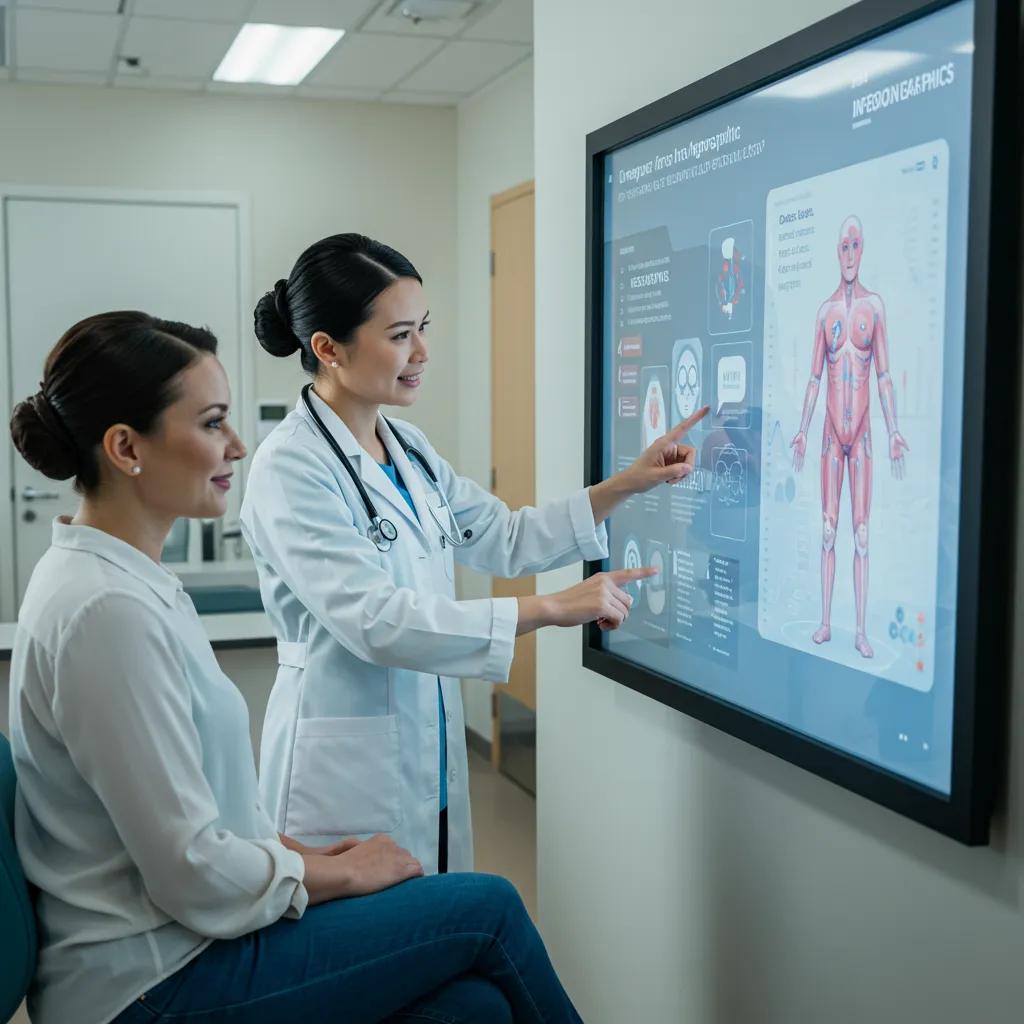
Interactive visuals—clickable infographics, quizzes, and 360° tours—engage users and personalize education while providing lead-capture opportunities that feed the clinic CRM. The mechanism is active learning: interactivity increases retention and reveals patient interests for follow-up. Simple tools allow clinics to implement interactive quizzes to triage patient concerns or 360 tours embedded on booking pages. These formats create deeper engagement and provide conversion paths when paired with targeted CTAs.
What Are Real-Life Examples of Visual Storytelling Success in Australian Healthcare?
Real-life examples from Australian clinics show that localized visual storytelling increases GBP actions, website inquiries, and treatment bookings when assets are measurable and consent-based. The mechanism behind success is local relevance and measurable deployment—assets tied to GBP and local landing pages capture nearby search intent. Anonymized Australian dental mini-cases commonly report improved discovery and more informed inquiries after rolling out testimonial videos and before-and-after galleries. The lessons below outline replicable tactics clinics can adapt.
How Have Australian Dental Practices Increased Patient Acquisition Using Visual Content?
Australian dental practices have increased patient acquisition by publishing before-and-after galleries and short testimonial videos optimized for local search, which raised GBP actions and website conversions. The mechanism is visibility plus social proof: optimized visuals attract local clicks and convincing outcomes speed decision-making. Mini-case approaches often begin with one pilot video and a gallery update, then measure GBP calls and contact form submissions over 90 days. Replicating this requires consent handling, consistent thumbnails, and localized captions.
What Visual Storytelling Techniques Have Proven ROI in Healthcare Marketing?
Techniques with strong ROI include video testimonials, before-and-after galleries, and concise explainer infographics that shorten decision pathways and increase conversions. The mechanism is trust multiplied: testimonial credibility plus visual proof reduces the friction to book. Industry benchmarks show higher video watch-time correlates with increased conversion rates when CTAs are present. Clinics prioritizing these techniques often set target ranges for watch-time and form completions as success indicators.
The effectiveness of these techniques is further supported by research highlighting how visual storytelling can improve comprehension and trust.
The Benefits of Visual Storytelling in Healthcare: Improving Comprehension and Trust
Visual storytelling within healthcare employs images, video, and designed sequences to elucidate clinical concepts, foster emotional connections with patients, and encourage action. This methodology is effective as narrative visuals leverage emotional resonance and cognitive heuristics to simplify complex medical information, thereby enhancing patient comprehension and trust.
Visual storytelling in healthcare: Why we should help patients visualize their health, 2016
How Do Authentic and Relatable Visuals Outperform Polished Campaigns in Healthcare?
Authentic visuals often outperform highly polished campaigns because they convey real outcomes and relatable voices, which are more persuasive for trust-driven healthcare decisions. The mechanism is perceived authenticity; viewers value genuine patient stories and on-site staff glimpses over studio-polished material that can feel generic. Practices can run micro-experiments comparing authentic vs. polished clips across GBP posts and social to measure which yields more local interactions. Testing leads to data-driven decisions on production investment.
What Lessons Can Be Learned from Visual Storytelling in Other Australian Medical Clinics?
Medical clinics outside dentistry demonstrate several transferable lessons: repurpose long-form explainers into short social clips, pair visuals with localized landing pages, and maintain consent protocols for patient media. The mechanism is reuse and optimization—one primary asset can yield many derivative pieces that amplify reach. Action items for dentists include creating a content calendar, repurposing assets across GBP and email, and documenting consent templates. These steps reduce operational friction and make visual storytelling scalable.
The broader application of storytelling in healthcare knowledge translation underscores its power to bridge gaps between evidence and practice.
Narrative Storytelling and Visual Arts in Healthcare Knowledge Translation
The arts represent potent, accessible modes of communication with the capacity to convey knowledge by capturing interest and fostering meaningful connections. Knowledge translation seeks to narrow the ‘evidence-practice’ gap through the development, implementation, and evaluation of strategies designed to heighten awareness and encourage behaviour change aligned with research evidence. Increasingly, novel approaches such as narrative storytelling and other arts-based interventions are being explored to bridge the widening divide between practice and research.
Protocol for a systematic review of the use of narrative storytelling and visual-arts-based approaches as knowledge translation tools in healthcare, SD Scott, 2013
How Can Healthcare Practices Measure the ROI of Visual Storytelling?
Measuring ROI requires mapping assets to clear metrics, tracking attribution, and using recommended tools to monitor engagement and conversions. The mechanism is metric alignment: each visual must have a primary KPI (e.g., watch time, GBP actions, consult bookings) and a tracking method to link that KPI to revenue. Without this alignment, practices cannot prove value or optimize investments. Below is a concise KPI table clinics can use to create a measurement plan.
| Metric | What it Measures | Recommended Tool / Benchmark |
|---|---|---|
| Video watch time | Engagement and content relevance | YouTube/hosting analytics — aim for >50% completion |
| GBP actions | Local discovery and intent | Google Business Profile insights — track calls/directions |
| Time on page | Content usefulness | GA4 — target >90s for detailed explainers |
| Conversion rate | From asset to booking | GA4 + form tracking — industry varies by service |
This KPI table gives clinics a starting point to assign responsibility, tools, and target ranges for each asset. Regular reporting lets teams iterate on creative and distribution to improve ROI.
What Metrics Best Reflect the Impact of Visual Content on Patient Engagement?
Primary engagement metrics include time on page, scroll depth, video completion rate, and social shares, each linking directly to an action or content relevance. The mechanism is behavioral signal interpretation: higher engagement indicates content is resonating and more likely to convert. Clinics should set target ranges and monitor trends rather than absolute numbers, focusing on month-over-month improvements. Linking these engagement signals to downstream conversions closes the attribution loop and informs creative iteration.
How Do Video Testimonials and Infographics Influence Conversion Rates?
Video testimonials and infographics influence conversion by reducing perceived risk and clarifying benefits, which shortens the decision pathway toward booking. The mechanism is social proof plus clarity—testimonials provide validation while infographics clarify expectations. A common micro-funnel: view testimonial → visit pricing or services page → request consult; clinics should measure drop-off at each stage and optimize CTAs to increase completion. Split-testing CTA phrasing and placement around these assets refines conversion pathways.
What Tools and KPIs Should Practices Use to Track Visual Marketing Success?
Recommended tools include GA4 for page-level metrics, Google Business Profile insights for local actions, and hosting/video analytics for watch-time and completion rates; these tools map directly to KPIs like conversions and GBP actions. The mechanism is integrated monitoring: combining platform data provides clearer attribution and optimization signals. Practices should set a simple reporting cadence—weekly engagement checks and monthly conversion reviews—so teams can act on trends. Use a short tools-to-KPI table to guide setup and responsibilities.
How Can Visual Storytelling Support Local SEO and Google Business Profile Optimization?
Visuals support local SEO by increasing GBP engagement metrics, improving relevance signals, and providing indexable media that local searchers consume before booking. The mechanism is signal amplification: optimized images and videos with descriptive captions and localized filenames increase discoverability and relevance. Practical tips include writing caption copy that includes local terms, adding videos to GBP regularly, and using ALT text on website images. These actions strengthen local presence and convert searchers into callers or visitors.
What Are the Latest Trends and Tools for Creating Visual Content in Healthcare Marketing?
Current trends in 2025 emphasize AI-assisted ideation and editing, short-form video dominance, mobile-first optimization, and authenticity-driven content that aligns with privacy and consent considerations. The mechanism driving these trends is efficiency and consumption behavior—clinics can produce more assets faster using AI tools while matching patient attention spans on mobile platforms. Adopting modern workflows helps small practices compete locally without prohibitive budgets. Below are practical tools and best practices clinics can adopt.
Key trend actions include leveraging AI for scripts and editing, prioritizing short social clips, and ensuring mobile performance for all visual assets. These trends shape production choices and distribution strategy.
How Are AI Tools Transforming Visual Content Creation for Healthcare Practices?
AI tools assist with ideation, script drafts, basic editing, and image generation, enabling clinics to scale content while maintaining human oversight for clinical accuracy and consent. The mechanism is augmentation: AI speeds repetitive tasks but requires clinician review to ensure medical precision. A typical workflow uses AI to create a script, clinician edits for accuracy, and a simple production team records and refines the asset. Ethical guardrails include verifying clinical claims and documenting patient consent for any generated or edited imagery.
Why Is Video Content Dominating Healthcare Digital Marketing in 2025?
Video dominates because it delivers higher engagement, longer dwell times, and stronger emotional connection than static formats, which translates to better conversion pathways for healthcare services. The mechanism is multi-sensory persuasion—video combines motion, voice, and visuals to communicate nuance and trust efficiently. Short social clips capture attention while longer explainers educate; clinics should balance both types according to channel and goal. Prioritize captions, thumbnails, and mobile optimization to maximize impact.
How Can Practices Use Authentic Visuals to Build Patient Trust?
Practices build trust with authentic visuals by featuring real staff, patient stories, and behind-the-scenes content while ensuring consent and privacy are documented. The mechanism is credibility through transparency—real stories reduce skepticism and increase relatability. Use a consent checklist, retain signed releases, and provide optional anonymity where needed. Production tips include natural lighting, candid interviews, and minimal scripting to preserve authenticity.
What Are Best Practices for Optimizing Visual Content for Mobile and Fast Loading?
Optimize assets for mobile by compressing images, using modern formats, lazy-loading media, providing captions on videos, and ensuring responsive display to reduce load times and improve UX. The mechanism is performance impact: faster pages increase retention and ranking signals, especially on mobile. Use compression tools, serve scaled images, and prioritize critical content above the fold. Regularly test load times and user interactions to ensure assets deliver on both speed and accessibility.
How Can Milkcan Marketing Help Healthcare Practices Unlock Visual Storytelling Benefits?
Milkcan Marketing supports small healthcare practices—especially dentists—by combining content strategy, production, and local SEO integration to turn visual storytelling into measurable patient acquisition. The mechanism is integrated service delivery: strategy aligns narratives to local keywords and Google Business Profile tips, production creates on-brand assets, and measurement ties assets to GBP interactions and inquiries. Milkcan Marketing acts as a lead generation and information hub that focuses on local patient acquisition, reputation management, and content that positions practices as trusted providers.
What Visual Storytelling Services Does Milkcan Marketing Offer for Dentists?
Milkcan Marketing’s Content Marketing service includes strategy development, production support, distribution planning, and measurement to scale visual storytelling for dental practices. The mechanism here is end-to-end delivery: the agency helps clinics identify priority assets, produce videos and infographics, publish optimized GBP media, and measure results against agreed KPIs. Service components typically cover scripting, on-site filming guidance, asset repurposing, and reporting. Clinics benefit from tailored plans that focus on local SEO and patient trust-building.
How Does Milkcan Marketing Integrate Visual Content with Local SEO and Reputation Management?
Integration combines GBP media updates, caption optimization, review-driven testimonial visuals, and consistent imagery across citations to strengthen local signals and patient trust. The mechanism is coordinated execution: visuals are published with geo-aware captions and ALT text that support local search, while reputation management turns positive patient stories into assets. Milkcan Marketing maps visuals to GBP posting cadence and website landing pages to maximize local discovery and conversions. This workflow ties creative outputs to measurable GBP actions and inquiries.
What Results Can Healthcare Practices Expect from Partnering with Milkcan Marketing?
Practices can expect clearer local visibility, improved GBP engagement, and better-aligned lead generation through measured visual campaigns, with outcomes presented as KPI ranges rather than guarantees. The mechanism is iterative optimization: Milkcan Marketing sets baseline metrics, runs a pilot, measures watch-time, GBP actions, and conversion events, then refines creative and distribution. Typical results include higher local engagement and a more consistent flow of informed inquiries, with tailored estimates provided after an initial audit. Clinics receive regular reports linking visual assets to local actions and conversion outcomes.
How Can Practices Get Started with a Visual Storytelling Strategy Today?
Getting started requires a short audit, a pilot asset package, a content calendar, and basic measurement setup to track GBP interactions and conversions. The mechanism is staged adoption: begin small with a pilot, measure impact, and expand what works. A four-step starter plan includes audit, pilot production, cross-channel publishing, and monthly review to iterate on performance. To initiate the process, clinics can request an audit and pilot proposal that maps visuals to local SEO goals and expected KPIs through Milkcan Marketing’s Content Marketing service.
This staged approach minimizes risk and creates a measurable pathway from storytelling to patient inquiries.