
Build Seasonal Content Calendars for Healthcare and Dental Practices
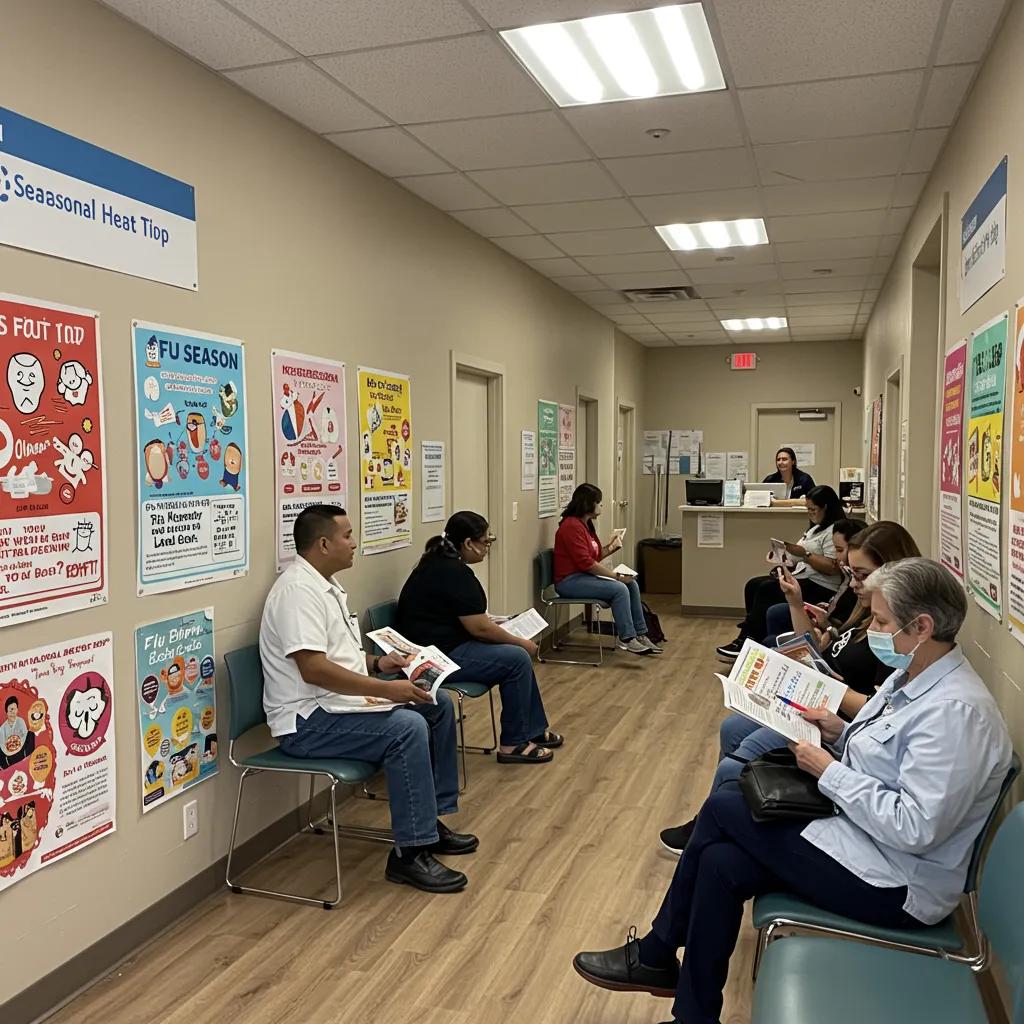
Seasonal content calendars organise marketing activity around predictable dates and patient needs, aligning messages with moments when patients are actively searching for care. This article shows healthcare and dental clinics how to build a calendar-driven marketing strategy that uses seasonal marketing strategies, holiday marketing ideas and content calendar templates to increase bookings and enquiries. Many clinics post ad-hoc content and miss seasonal peaks such as flu season, back-to-school or end-of-financial-year checks; a structured calendar remedies that by mapping patient intent to content and channels. You will learn what seasonal content marketing is, a step-by-step process to create a healthcare-focused calendar, which Australian observances matter for clinics, how to use social, email and local SEO for seasonal campaigns, what tools and templates to use, and how to measure ROI. Throughout, practical examples and downloadable-style EAV tables are provided so clinics can turn planning into action with best practices for optimising seasonal content for local SEO.
What Is Seasonal Content Marketing and Why Is It Essential for Healthcare Practices?
Seasonal content marketing is the practice of timing content around recurring dates, clinical peaks and health observances so messaging matches patient intent and behaviour. This works because searchers and patients exhibit seasonal intent—queries for flu, school checks or holiday cosmetic treatments increase at predictable times—so timely, relevant content earns higher CTRs and better local search visibility. The specific benefit for clinics is more enquiries and booked appointments when content aligns with patient needs, making seasonal planning a strategic lever for patient growth. Understanding these mechanics allows clinics to prioritise topics and channels for maximum impact.
How Does Seasonal Marketing Improve Patient Engagement and Practice Visibility?
Seasonal marketing improves engagement by matching content to when patients need information or services, which raises click-through rates and increases the relevance signals search engines use to rank local businesses. For example, a flu-season landing page with clear booking prompts converts informational searches into appointment actions and feeds the Google Business Profile with timely posts and Q&A activity. Higher engagement then often leads to improved ranking for seasonal keywords, which fuels a virtuous cycle of visibility and enquiries. This mechanism means practices that plan content ahead of seasonal peaks typically see measurable lifts in patient interactions and bookings.
What Are the Key Seasonal Marketing Trends for Australian Healthcare in 2025?
Current research indicates digital ad spend and patient online research continue to grow in 2025, with more consumers starting care journeys via search and local listings; this trend makes seasonal content and local SEO increasingly crucial. Personalisation and AI-driven optimisation are improving how clinics target messages for age, payer type and local neighbourhoods, while telehealth integration is shifting seasonal touchpoints for triage and education. These trends imply clinics should prioritise searchable, patient-focused resources and structured content that supports both in-clinic and virtual pathways to care.
Seasonal Marketing Strategies for Ophthalmic Practices
There is indeed a seasonality to ophthalmic marketing. Cataract surgical volume begins to increase in the spring and continues through the summer and autumn. This is related not only to the marketing of your cataract practice but more so to seasonal factors and, naturally, the patient’s willingness to undergo surgery during these periods.
Why Should Dentists and Medical Clinics Use Seasonal Content Calendars?
Calendars replace reactive posting with planned campaigns that allocate resources, set responsibilities and provide repeatable templates for offers and hygiene messaging, which saves time and preserves brand consistency. A yearly calendar helps teams coordinate blog posts, Google Business Profile updates, email reminders and social boosts around key windows like back-to-school or holiday breaks. Clinics that use calendars also measure each campaign against KPIs, enabling iterative improvements and clearer ROI, which makes seasonal planning a practical alternative to one-off promotions.
How Do You Create an Effective Seasonal Content Calendar for Healthcare and Dental Clinics?
An effective seasonal content calendar combines audience research, mapped events, channel selection, production scheduling and review cycles to deliver timely patient-focused content that drives bookings. The mechanism is simple: match patient intent to content type and channel, assign owners and deadlines, then publish and measure results to refine the next cycle. The primary result is predictable campaign delivery that increases local visibility and converts seasonal interest into tangible enquiries.
What Are the Step-by-Step Processes to Develop a Healthcare Content Calendar?
- Audit and research: Review past traffic, GBP insights and seasonal keyword trends to identify peaks and gaps.
- Set goals and KPIs: Define target enquiries, CTR improvements and GBP actions for each seasonal window.
- Map events to services: Link local holidays and health observances to specific clinic services and offers.
- Plan content and channels: Assign blogs, GBP posts, email sequences and social creative to each event.
- Assign roles and timelines: Allocate writers, approvers and publishers with clear deadlines.
- Publish and measure: Launch campaigns, track KPIs, and run a post-campaign review to capture learnings for the next cycle.
This ordered process creates a transparent workflow from planning to performance, enabling the clinic to scale seasonal initiatives effectively.
Which Content Types and Themes Should Be Included in Seasonal Calendars?
Content types should be chosen to match patient intent and resource capacity; blogs and landing pages support discovery, GBP posts and emails drive local actions, and social content builds awareness and trust. The mechanism is channel-match: awareness content lives on blogs and social, consideration content in email and landing pages, and conversion content in booking pages and GBP offers. This ensures each seasonal theme—prevention tips, promotions, patient stories—has a clear publishing path and frequency.
Forecasting Healthcare Demand Using Seasonal Models
This paper details the development of a seasonal forecasting model designed to predict patient attendances at an urgent care clinic situated in the southeastern United States. The model was constructed to account for seasonal variations in demand at the clinic.
Responding to traveling patients’ seasonal demand for health care services, 2015
Intro to comparison table: The following table compares common content types to where they perform best and recommended timing to help clinics allocate effort.
| Content Type | Best Channel | Best Timing / Frequency |
|---|---|---|
| Blog post | Website / organic search | 1–2 weeks before season peak, 1 per major theme |
| Google Business Profile post | GBP feed | 1–2 posts during campaign window (time-sensitive) |
| Email reminder sequence | Email marketing | 2–3 emails: announcement, reminder, last-chance |
| Social short video | Instagram / Facebook | 2–4 posts in lead-up and peak week |
| Paid local ad | Search / Social | Run 1–2 weeks before and during peak booking window |
This comparison helps clinics prioritise high-impact formats and cadence for seasonal windows and supports resource planning for content production.
How Can You Align Seasonal Content With Patient Needs and Healthcare Events?
Aligning content requires mapping the patient journey for each seasonal trigger: awareness (informational blog), consideration (testimonials and FAQs), and booking (landing page and clear CTA). For example, a back-to-school orthodontic campaign begins with school-ready oral health tips, follows with treatment options and financing content, and finishes with appointment reminders and easy booking links. This staged alignment increases conversion because each piece of content answers the immediate patient question while nudging them toward booking.
What Are the Most Important Seasonal Events and Health Observances for Australian Healthcare Marketing?
Australian clinics should prioritise a mix of national holidays, seasonal disease peaks and health awareness weeks that generate patient intent and opportunities for clinical services. The reason this catalogue matters is practical: knowing which events reliably drive searches lets clinics plan months ahead, synchronise GBP posts and email campaigns, and avoid last-minute rushes. The result is better-timed campaigns that capture patient demand.
Which National Holidays and Health Awareness Days Should Clinics Target?
Below is a compact table of priority Australian dates and content prompts to help small clinics choose which events to target and when to post.
| Date / Period | Observance | Content Prompt |
|---|---|---|
| April–June | Flu season | Vaccine reminders, safe clinic visit info |
| January–February | Back-to-school | Family check-ups, orthodontic readiness tips |
| October | End-of-year planning | EOFY offers for elective treatments, booking reminders |
| National Health Weeks (various) | Health awareness weeks | Educational blogs, free screening offers |
| December–January | Holiday season | Emergency care guidance and holiday opening notes |
This table gives clinics a concise checklist to map seasonal content and to prioritise promotion timing for maximum patient engagement.
Summary: Choosing a small set of events and aligning content to each yields manageable campaigns that consistently drive bookings and build local trust, and the next section shows how dentists can tailor these events to practice-level promotions.
How Can Dental Practices Leverage Seasonal Events Like Flu Season and Back-to-School?
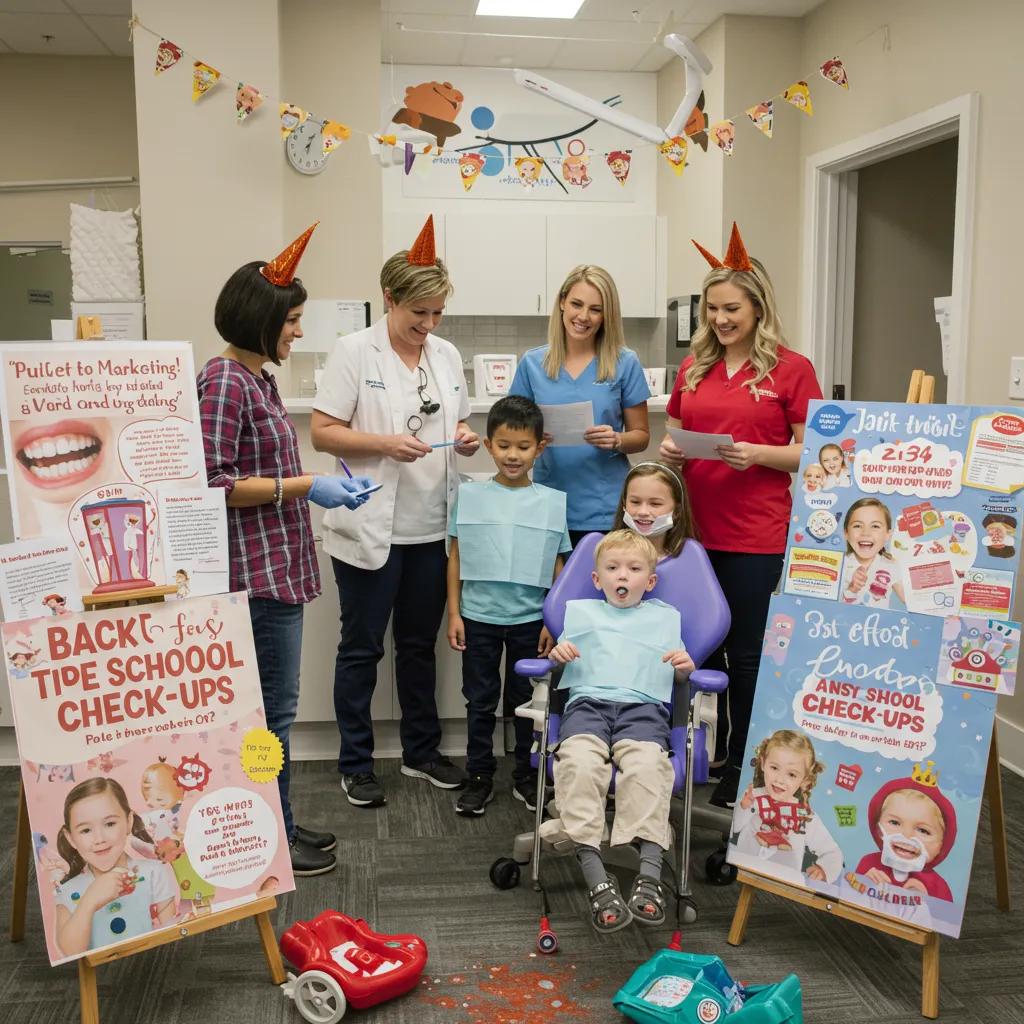
Dental practices can use flu season to reassure patients about safe visits and hygiene, promote routine care windows between high-demand periods, and coordinate with local schools for group check-up promotions. For back-to-school, run family check-up offers, targeted emails to parents and quick social posts highlighting early-bird appointment slots. Holiday-season campaigns typically focus on year-end oral health reminders and cosmetic packages to convert patients planning elective work ahead of events.
What Are Examples of Successful Seasonal Campaigns in Australian Healthcare?

Here are a few concise micro-case examples showing inputs, channels and typical outcomes for seasonal campaigns.
- Flu-season reminder campaign: Educate via blog + GBP posts + email reminders, resulting in a measurable uplift in clinic calls and bookings during April–June.
- Back-to-school check-up drive: Social ads targeted to local parents plus email sequence and a family-checkup offer, converting a higher-than-average share of appointments.
- EOFY cosmetic push: Landing page, paid search and GBP offer leading to an increase in cosmetic consult enquiries before year-end.
These compact examples show how combining search-focused content, GBP activity and direct email can move seasonal interest to booked care.
How Can Healthcare Practices Leverage Digital Channels to Maximise Seasonal Marketing Impact?
Digital channels each play a distinct role in seasonal campaigns: social builds awareness and trust, email drives repeat and targeted outreach, website content supports discovery, and Google Business Profile and local SEO capture immediate local demand. The mechanism is channel orchestration—using each channel for its strength ensures seasonal messages reach patients at the right stage. The result is a coordinated multi-channel campaign that improves conversions and local visibility.
What Role Does Social Media Play in Seasonal Healthcare Campaigns?
Social media provides bite-sized education, behind-the-scenes reassurance and community trust that primes patients for booking; short videos, carousel posts and patient stories perform well for awareness. Paid boosts with geo-targeting help small clinics reach local audiences affordably during seasonal windows, while organic posts sustain credibility. Social content should link to focused landing pages or booking CTAs, creating a direct path from awareness to action and feeding into email retargeting for those who engage.
Digital Marketing Strategies for Healthcare Services
Digital marketing represents a critical strategy for healthcare services. Techniques such as social media and Search Engine Optimisation (SEO) are essential for attracting new patients and maintaining engagement with the hospital. Furthermore, patient referral programmes and word-of-mouth marketing can be employed to encourage existing patients to recommend the hospital to others.
How Can Email Marketing and Website Content Support Seasonal Promotions?
Email marketing converts interest into bookings through targeted sequences: an initial announcement, a mid-campaign reminder and a last-chance message, each with clear CTAs and trust signals. Website landing pages for seasonal offers should include a strong hero, benefits, booking CTA and social proof to maximise conversions. Tying emails to landing pages and GBP actions ensures attribution and clear measurement of seasonal ROI.
How Does Local SEO and Google Business Profile Optimisation Enhance Seasonal Visibility?
Google Business Profile and local SEO capture high-intent local searches by using time-sensitive GBP posts, optimised seasonal keywords and updated services information to rank for queries like “flu clinic near me” or “back-to-school dental check.” Encourage seasonal review prompts that reflect timely visits, and add Q&A entries addressing seasonal concerns to boost GBP relevance. Clinics that optimise local landing pages with seasonal modifiers and structured content see better visibility for local seasonal queries, which increases booking clicks.
Business integration: For clinics seeking hands-on implementation, Milkcan Marketing offers local SEO and Google Business Profile management tailored to seasonal campaigns, helping practices maintain GBP activity, optimise seasonal keywords and invite timely reviews to maximise local visibility and conversions.
What Tools and Resources Help Manage Seasonal Content Calendars for Medical and Dental Practices?
Tools and templates make calendar management repeatable and measurable by combining scheduling, approvals and analytics in one workflow. Use simple calendar apps for single-site clinics and more integrated project management tools for multi-site operations; the right choice reduces friction and ensures consistent publishing. The ultimate benefit is saved time and predictable campaign execution.
Short-Term and Seasonal Time Series Models for Online Marketing Campaigns
Our study is highly useful for optimising and strategising individual campaigns. The analysis of data obtained from Google Analytics is employed to create an online marketing campaign based on this data.
Which Software and Templates Are Best for Healthcare Content Planning?
Tools fall into three broad suitability tiers: simple calendar apps for single-site clinics, scheduling platforms with social integrations for growing practices, and full project management suites for multi-site chains requiring approvals and asset libraries. Consider integration with booking systems and analytics to attribute seasonal enquiries accurately, and balance cost with team capacity when selecting software.
Intro to tool table: The following comparison helps clinics choose tools by matching key features to clinic benefits.
| Tool | Key Feature | Benefit for Clinics |
|---|---|---|
| Simple calendar app | Shared scheduling | Low-cost coordination for solo clinics |
| Social scheduler | Direct platform posting | Saves time on social publishing and boosts consistency |
| Project management suite | Task assignments and approvals | Scales for multi-site practices with governance needs |
This table clarifies which tool types fit common clinic sizes and workflows and supports selection based on feature-to-benefit mapping.
Summary: Choose the simplest tool that solves the clinic’s coordination problem and integrate it with analytics to measure seasonal campaign performance, then use templates to speed repeatable campaigns.
Business integration: For clinics preferring a turnkey option, Milkcan Marketing provides content marketing and local SEO services that include calendar-driven campaign implementation, template creation and ongoing scheduling support to translate seasonal plans into executed campaigns.
How Can Customisable Calendar Templates Improve Marketing Efficiency?
Customisable templates save time and create consistency by standardising fields like date, theme, channel, owner and status so teams follow the same process every season. A simple template contains columns for event, target audience, content type, responsible person, publish date and KPI, enabling quicker approvals and clearer delegation. Templates reduce errors and allow clinics to repurpose proven campaigns for future seasons, improving efficiency and measurement.
Intro to mini-template example:
| Date | Theme | Channel | Owner | Status |
|---|---|---|---|---|
| April | Flu season reminder | Email + GBP post | Practice manager | Draft |
| Jan | Back-to-school checkups | Blog + Social | Clinician | Scheduled |
| Dec | EOFY cosmetic offers | Landing page + Paid search | Marketing lead | Published |
Summary: Templates make seasonal repeatability achievable and help small teams deliver consistent campaigns with clear accountability for timely publication.
What Are the Best Practices for Scheduling and Tracking Seasonal Content?
Best practices include assigning responsibilities with clear deadlines, using approval stages to manage clinical compliance, and scheduling monthly KPI review sessions to adapt tactics. Maintain an annual planning cycle (start next-year planning in October), set a monthly dashboard refresh, and run post-campaign reviews to capture learnings. These routines ensure calendars remain current and responsive to regulatory or behavioural changes.
How Do You Measure the Success of Your Seasonal Content Marketing Strategy?
Measuring success requires selecting KPIs that map directly to seasonal goals—visibility, engagement and conversions—and using analytics to attribute enquiries. The mechanism is KPI-to-action mapping: choose measures that reflect patient behaviour and use them to decide whether campaigns should be scaled or adjusted. The end result is data-driven seasonal campaigns that improve over successive cycles.
What Key Performance Indicators Should Healthcare Practices Track?
- Organic traffic and seasonal keyword rankings: indicate discovery success and content relevance.
- GBP impressions, views and actions: measure local visibility and immediate patient actions.
- Enquiries and bookings attributable to campaigns: the primary business outcome for seasonal activity.
- Conversion rate on landing pages: shows messaging effectiveness and CTA clarity.
- Email open and click-through rates: reveal campaign engagement and follow-through.
Tracking these KPIs enables clinics to tie seasonal content directly to patient behaviour and bookings and to iterate on content and channel mix.
How Can Analytics Inform Continuous Improvement of Seasonal Campaigns?
Analytics support iterative testing—run A/B tests on subject lines or landing page CTAs, segment results by patient type, and attribute conversions across channels to refine budget allocation. For example, if GBP posts drive more booking clicks than boosted social, shift more effort to local organic optimisation and scheduling. Use cohort comparisons between seasons to identify which themes and channels deliver sustained enquiry growth.
When and How Should Seasonal Content Calendars Be Updated for Maximum Effect?
Adopt an annual planning cycle, beginning in October to prepare for the next year, plus monthly tactical checks to adjust timing and messaging based on performance or emergent health events. Immediate updates are required for regulatory changes or urgent public health alerts, while monthly KPI reviews and post-season post-mortems inform content refreshes and scheduling tweaks. This cadence keeps calendars aligned with patient trends and compliance needs.
Business integration and next step: If a clinic prefers external support to implement measurement frameworks and seasonal content planning, Milkcan Marketing offers tailored seasonal content planning services combining content marketing, Google Business Profile management and reputation management; clinics may enquire about a planning consultation via the company’s website or Google Business Profile.
How Can Milkcan Marketing Support Your Seasonal Content Marketing and Dental Practice Growth?
Milkcan Marketing is positioned as a lead generation and information hub that supports small healthcare and dental practices with services aligned to seasonal campaigns. The firm specialises in local SEO, Google Business Profile management, reputation management and content marketing—services that map directly to the core needs of calendar-driven seasonal strategies. By combining these capabilities, Milkcan Marketing helps practices convert seasonal visibility into measurable enquiries and bookings.
What Content Marketing Services Does Milkcan Marketing Offer for Healthcare Providers?
- Content marketing creation and planning: develop blog posts, landing pages and email sequences timed to seasonal windows.
- Local SEO and Google Business Profile management: optimise local listings, publish time-sensitive posts and manage seasonal keywords.
- Reputation management: encourage and manage reviews that support seasonal offers and build trust during key campaign periods.
These services support clinics by filling capability gaps and ensuring that seasonal plans are executed with local optimisation and compliance in mind.
A Digital Marketing Strategy for Attracting New Patients to Private Healthcare Practices
Digital marketing within the audiology profession can be perplexing and challenging, often leading to frustration for private practice owners or managers regarding their outcomes. This article presents a digital marketing strategy designed to encourage new patients to engage with your practice for audiology services. Patients often experience confusion when researching hearing aids, audiologists, and audiological assessments. Some websites promote bypassing licensed professionals, advocating solely for online hearing tests or audiograms submitted to their office for the purpose of fitting hearing aids or other assistive technology. While we recognise that this approach does not substitute for the expertise of a licensed professional, such websites disseminate highly persuasive information. Practitioners and managers find themselves bewildered and frustrated by their online marketing efforts. Patients continue to encounter misinformation before locating an established practice capable of improving their hearing and enhancing their overall hearing healthcare experience. This article will equip each reader with a strategic plan for achieving tangible online results and attracting new patients to their practice at a lower cost than any other available marketing medium.
Digital marketing for private practice: how to attract new patients, 2019
How Does Tailored Seasonal Marketing Boost Local Patient Attraction?
A tailored seasonal approach aligns messages to patient intent in the local market, which increases CTR, trust and conversion rates; for example, a locally optimised flu-season landing page coupled with GBP posts typically yields higher booking clicks than generic promotion. Integrated messaging across content, listings and reviews creates consistent trust signals that raise local rankings and conversion likelihood. The measurable outcome is an increase in enquiries and bookings during targeted seasonal windows.
Where Can You Find Milkcan Marketing’s Google Business Profile and Contact Information?
Milkcan Marketing can be contacted through its website or located via its Google Business Profile; clinics seeking assistance with seasonal content calendars are invited to reach out through those channels for a consultation. This provides a direct path for practices that prefer an external partner to implement calendar-driven campaigns and local optimisation.