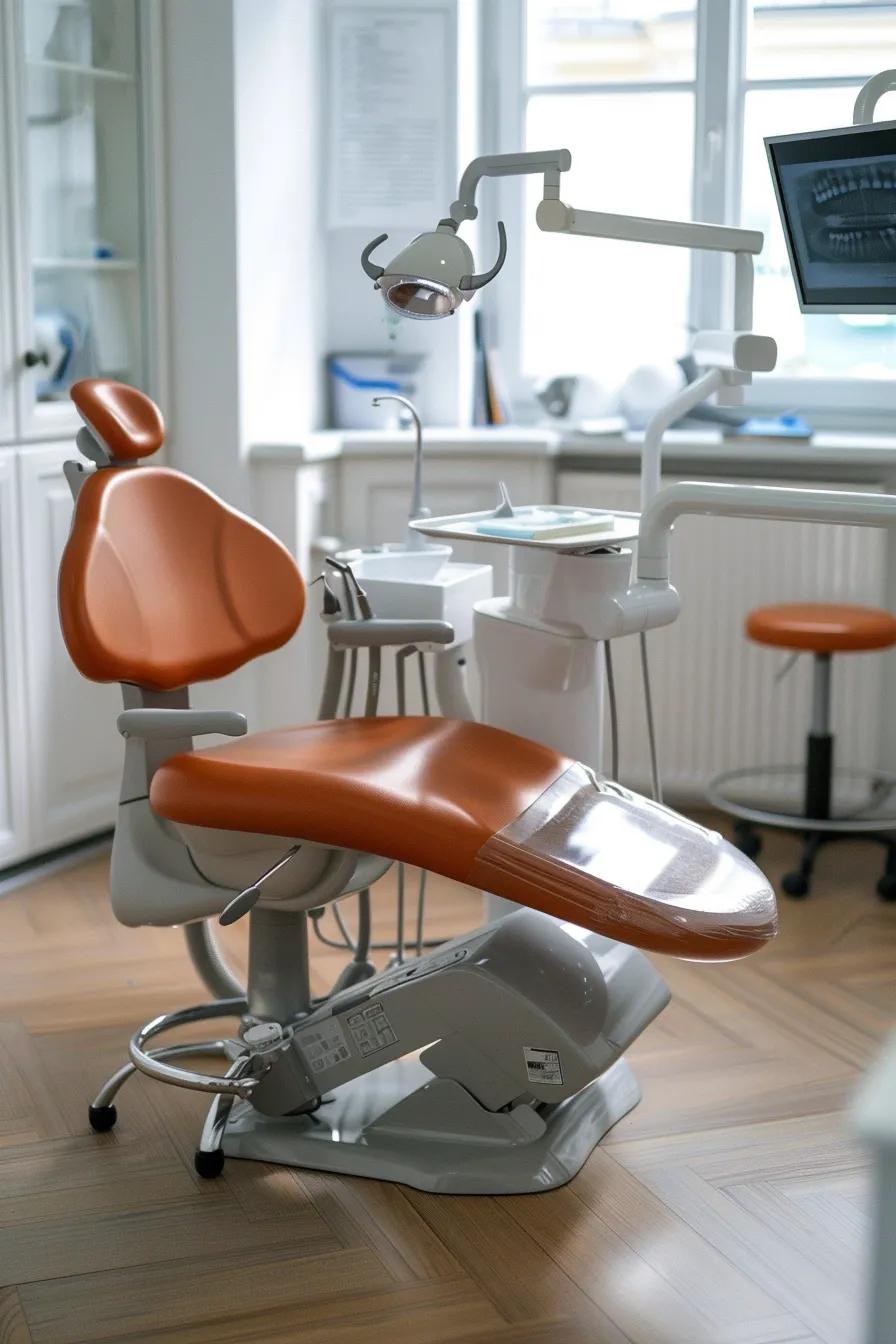

Crafting Exceptional Healthcare Websites in Australia: Expert Development to Connect with Patients
Are potential patients clicking away from your site before they even consider booking? In Australia, a healthcare website design that blends user-focused layouts, AHPRA compliance, lightning-fast performance, and crystal-clear calls to action can transform casual browsers into confirmed appointments. This guide dives into the five essential pillars you need to master:
- The must-have features of standout Australian healthcare websites
- Web development strategies that actively attract new patients
- Top platforms for building your medical practice’s online home
- Healthcare-specific SEO tactics to skyrocket your visibility
- Investment, timelines, and real-world success stories proving ROI
Throughout this journey, you’ll see how specialised web development services—like those Milkcan Marketing excels at—create a professional online presence that builds patient trust, fosters engagement, and fuels your practice’s growth.
What Makes a Healthcare Website Truly Effective in Australia?
An effective healthcare website in Australia is one that’s meticulously compliant, effortlessly accessible, and perfectly optimised for what patients need, from their initial search right through to booking. By weaving in intuitive navigation, mobile-first design principles, essential regulatory safeguards, and clear service details, clinics can build profound trust and significantly boost conversions.
How Does a Responsive Website Elevate the Patient Experience for Clinics?

Responsive web design is the magic that automatically adjusts your website’s layout, text size, and navigation to perfectly suit any device. This means patients can effortlessly find doctors, services, or booking forms whether they’re on their smartphone, tablet, or desktop computer.
- Fluid grids ensure your content scales beautifully across all screen dimensions.
- Flexible images prevent any awkward stretching or distortion, looking sharp on any display.
- Strategic breakpoints optimise touch targets, like your “Book Now” button, for easy thumb access.
- Mobile-first CSS prioritises the most crucial patient actions right in their immediate view.
These smart techniques dramatically reduce bounce rates from mobile searches and pave the way for a smooth, hassle-free appointment scheduling process.
Impact of Responsive Web Design on Patient Experience and SEO
Responsive web design, which adapts website layouts to various devices, is essential for medical practices. It improves user satisfaction, increases time spent on site, and boosts conversion rates by providing a seamless and intuitive browsing experience across smartphones, tablets, and desktops. Over 93% of Australians access the internet via mobile devices, making mobile-first design crucial for SEO and patient engagement.
Why is Website Optimisation Absolutely Critical for Doctors and Medical Practices?
Website optimisation is the powerful combination of super-fast page speeds, smart SEO practices, and user-centric design, all aimed at maximising patient engagement. Doctors who make optimisation a priority reap significant rewards:
- Speedier load times that keep patients engaged rather than waiting.
- Search engine-friendly structures that capture local patient searches effectively.
- Clear content hierarchies that expertly guide visitors towards your most valuable services.
By focusing on core web vitals and semantic HTML, practices ensure that both your patients and search engines can navigate your content with absolute ease.
What’s the Role of AHPRA Compliance in Medical Website Development?
AHPRA compliance in website development means meticulously ensuring that every single page, advertisement, and patient testimonial adheres strictly to regulatory guidelines. This is vital for preventing unsubstantiated claims and safeguarding patient privacy. Key compliance tasks include:
- Scrutinising all health claims to ensure they are backed by approved evidence.
- Confirming that consent forms for newsletters meet all privacy standards.
- Presenting professional credentials with complete accuracy and transparency.
- Managing all advertising content within the strict limits set by the AHPRA code.
Embedding compliance right into your web architecture not only builds rock-solid patient confidence but also helps you steer clear of costly penalties.
AHPRA Compliance for Healthcare Advertising and Websites in Australia
The Australian Health Practitioner Regulation Agency (AHPRA) mandates that all healthcare advertising, including website content, adheres to strict guidelines to prevent misleading claims and protect patients. Non-compliance can lead to significant penalties, emphasizing the necessity of aligning digital content with regulatory standards.
How Can Bespoke Website Development Benefit Dental and Allied Health Practices?
Custom web development allows for the precise tailoring of design, features, and patient workflows to the unique demands of dental clinics and allied health providers, resulting in a scalable and highly secure digital solution.
| Platform Type | Custom Development | Template-Based Design |
|---|---|---|
| Design Flexibility | Completely bespoke layouts and branding | Constrained by existing themes |
| Regulatory Integration | Built-in AHPRA modules and compliance checks | Manual additions, often prone to errors |
| Speed Optimisation | Fine-tuned performance at the code level | Performance varies significantly by theme efficiency |
| Scalability | Modular features designed for growth | Potential limitations on plugin usage |
| Patient Experience | Tailored booking flows and dedicated patient portals | Standard form implementations |
Custom-built solutions ensure that every single function—from your appointment system to your patient portal—perfectly aligns with your clinic’s operational flow, leading to enhanced patient satisfaction and greater operational efficiency.
How Does Expert Web Development Drive Patient Acquisition for Smaller Healthcare Practices?
High-quality web development is instrumental in patient acquisition, creating a seamless journey from initial search to final booking. It integrates essential marketing tools and engaging features designed to encourage patient contact. By harmonising design with strategic digital marketing services, practices can cultivate a cohesive online presence that effectively attracts, informs, and converts potential patients.
What Digital Marketing Services Perfectly Complement Healthcare Website Design?
A comprehensive digital strategy amplifies your website design through these powerful services:
- Search Engine Optimisation (SEO) to capture local patients actively searching for your services.
- Content Marketing to firmly establish your practice as a leading authority on important health topics.
- Social Media Management to foster community engagement and encourage valuable referrals.
- Paid Advertising (PPC) to connect with high-intent individuals ready to book appointments.
- Email Marketing for nurturing potential leads and effectively promoting new services.
Integrating these channels ensures your website becomes the central, indispensable hub for every patient interaction.
How Do Online Booking Systems Seamlessly Integrate with Medical Websites?
Online booking systems integrate effortlessly via APIs or embedded widgets, empowering patients to view available slots and confirm appointments without ever leaving your website. The integration process typically involves:
- Installing a secure and reliable booking plugin or dedicated tool.
- Customising service types, appointment durations, and practitioner schedules.
- Embedding the booking interface smoothly using an iframe or JavaScript.
- Synchronising with your existing practice management software for real-time updates.
These steps effectively eliminate the risk of double-bookings and deliver an exceptionally smooth patient experience that significantly boosts conversion rates.
How Does Local SEO Help Clinics Attract Patients Across Australian Regions?
Local SEO is your key to optimising your site for those crucial “near me” and suburb-specific searches, ensuring you prominently feature in map packs and top search results. Essential tactics include:
- Precisely optimising title tags and meta descriptions with relevant city and suburb names.
- Structuring your content around local health concerns and community happenings.
- Developing dedicated location pages with distinct service details for each practice site.
- Building consistent citations in vital healthcare directories like HealthEngine and HotDoc.
- Actively encouraging patient reviews on your Google Business Profile.
These highly focused efforts drive targeted traffic directly to your practice and elevate your clinic’s visibility in even the most competitive regional markets.
What Are the Top Practices for Engaging Patients Through Website Features?
Engaging website features are designed to foster ongoing patient interaction by offering genuine value and unparalleled convenience. Leading practices are leveraging:
- Secure patient portals for easy access to test results, prescriptions, and direct messaging.
- Integrated telehealth modules for seamless virtual consultations.
- Interactive symptom checkers or insightful health quizzes.
- Dynamic FAQ sections enhanced with schema-friendly HTML for better search visibility.
- Rich multimedia resources, including virtual tours and engaging staff introductions.
By embedding these powerful tools, your website transforms into both an indispensable practical resource and a potent trust-building platform.
Which Website Platforms Are the Smartest Choice for Healthcare Practices in Australia?
Selecting the right platform involves balancing ease of use, robust security, and essential customisation. The two premier options for Australian clinics are undoubtedly WordPress and fully custom-built solutions. WordPress offers rapid deployment with an expansive plugin ecosystem, while custom frameworks provide unparalleled performance and built-in regulatory safeguards.
What Are the Advantages and Disadvantages of Using WordPress for Medical Websites?
Healthcare teams frequently opt for WordPress due to its user-friendliness and impressive extensibility.
| Platform | Advantages | Considerations |
|---|---|---|
| WordPress | Intuitive content editing, a vast library of plugins, strong community support | Requires diligent security updates and regular backups |
| Pre-designed healthcare themes can significantly speed up development | Theme-based designs might limit truly unique branding opportunities | |
| Specialised SEO plugins streamline on-page optimisation efforts | Potential for plugin conflicts that could impact site stability |
When Should Clinics Seriously Consider Custom-Built Websites?
Clinics aiming for unique patient journeys, advanced system integrations, or exceptionally stringent compliance requirements should strongly consider custom builds when they require:
- Complete control over the codebase for maximum security and performance.
- Bespoke booking and telehealth workflows precisely matching their needs.
- Deep, seamless integration with CRM, EHR, or practice management systems.
- A highly scalable architecture capable of supporting future features without costly refactoring.
While custom solutions involve a higher initial investment, they deliver unmatched flexibility, performance, and long-term value.
How Does Robust Website Security Protect Patient Data and Build Essential Trust?

Implementing strong website security is paramount for protecting sensitive health information and reinforcing patient confidence through:
- SSL/TLS encryption safeguarding all data transmissions.
- Two-factor authentication for secure portal access.
- Regular vulnerability assessments and prompt patch management.
- HIPAA-aligned data handling practices (where applicable and relevant).
- Automated backup systems and robust disaster-recovery protocols.
These essential measures not only ensure compliance with privacy standards but also powerfully signal a professional and unwavering commitment to patient safety.
How Can Strategic Healthcare SEO Boost Online Visibility for Medical Practices?
Healthcare SEO is the art of aligning your website’s content, structure, and authority signals with precisely what patients are searching for. By targeting niche medical terms, specific local communities, and providing highly informative resources, practices can significantly increase organic traffic and cultivate deep patient trust.
What Are the Most Effective Local SEO Techniques for Doctors and Allied Health Professionals?
Achieving local SEO success hinges on:
- Ensuring consistent NAP (Name, Address, Phone) details across all online directories.
- Embedding Google Maps and utilising schema-rich location data.
- Creating dedicated, geo-targeted landing pages for specific suburbs and services.
- Encouraging genuine patient reviews through structured feedback mechanisms.
- Publishing relevant community news, local events, and essential local health advice.
These critical elements work together to strengthen your visibility within local search results and map listings.
How Does Content Marketing Enhance Authority and Build Patient Trust?
Content marketing is your pathway to elevating your practice’s profile by consistently providing reliable health information that directly answers patient questions. Effective strategies include:
- Developing insightful blog posts covering common conditions and treatments.
- Creating engaging video explainers featuring your clinic’s staff and facility tours.
- Offering downloadable patient guides and helpful checklists.
- Implementing interactive symptom or cost assessment tools.
By consistently delivering valuable, trustworthy insights, your website becomes the definitive go-to source for health guidance.
Why is Technical SEO So Important for Healthcare Websites?
Technical SEO ensures that search engines can efficiently crawl, index, and rank your website. For healthcare sites, key technical priorities include:
- Optimised XML sitemaps featuring up-to-date URLs.
- Clear, intuitive breadcrumb navigation for easily accessing nested service pages.
- Structured internal linking that effectively highlights your core treatments.
- Achieving fast server response times and implementing gzip compression.
- Utilising schema-markup HTML tags for articles, services, and local business information.
Addressing these technical factors maximises the impact and reach of all your content and design efforts.
What Are the Typical Costs and Timelines for Healthcare Website Design and Development in Australia?
Investing in a professional medical website requires a clear understanding of pricing models and realistic project timelines. Costs naturally vary based on complexity, platform choice, and specific compliance needs, while timelines are influenced by project scope, feedback loops, and integration requirements.
How Do Pricing Models Differ Between Template and Custom Designs?
Template-based and custom-built approaches offer distinct cost structures and deliverables.
| Plan | Price Range (AUD) | Feature Differences |
|---|---|---|
| Template-Based | $3,000 – $6,000 | Utilises a pre-built theme, with limited customisation options |
| Custom-Built | $8,000 – $25,000+ | Features a bespoke design, with advanced integration capabilities |
What Is the Standard Development Timeline for Medical Practice Websites?
Most healthcare web projects typically progress through these well-defined phases:
- Discovery & Planning – 1–2 weeks
- Design & Prototyping – 2–4 weeks
- Development & Compliance Checks – 4–8 weeks
- Testing & Launch – 1–2 weeks
- Post-Launch Training & Optimisation – ongoing
Maintaining clear milestones and ensuring timely feedback are crucial for keeping projects on track and within budget.
How Does Ongoing Website Maintenance Contribute to Clinic Growth?
Consistent, ongoing maintenance is essential for ensuring your website remains secure, fully up-to-date, and optimally positioned for search engines. Key maintenance services include:
- Regular updates for all software and plugins.
- Monthly performance audits and fine-tuning of Core Web Vitals.
- Content refreshes to accurately reflect new services or special offers.
- Proactive security monitoring and diligent backup verification.
- Regular SEO health checks and strategic keyword refinements.
This diligent upkeep safeguards patient data and sustains your organic visibility as your practice continues to evolve.
How Do Case Studies Effectively Demonstrate the Impact of Web Development on Healthcare Practices?
Case studies offer compelling, tangible proof of how strategic web development projects can significantly boost patient inquiries, streamline operations, and enhance overall brand reputation. By examining these real-world outcomes, clinics can effectively benchmark potential ROI and validate the effectiveness of best practices.
What Tangible Results Have Australian Dental Clinics Achieved with Custom Websites?
One Melbourne dental practice experienced a remarkable 40% surge in appointment bookings within just three months of launching a custom-built site. This new site featured interactive treatment galleries and live chat functionality, successfully reducing bounce rates by 22% and driving much stronger patient engagement.
How Have Responsive Designs Led to Increased Patient Bookings for Physiotherapy Clinics?
A Sydney-based physiotherapy clinic reported an impressive 30% uplift in mobile enquiries after adopting responsive web layouts and simplifying their booking process. This enhancement allowed patients to schedule sessions conveniently at any hour directly from their mobile devices.
What Do Healthcare Providers Say About Collaborating with Specialist Web Developers?
Practitioners consistently highlight the immense value of industry-specific expertise. They note that working with a developer deeply versed in AHPRA compliance and patient-centred design eliminated guesswork, significantly accelerated launch timelines, and ultimately delivered measurable, impactful marketing results.
What Are the Latest Trends Shaping Healthcare Web Development and Digital Marketing in Australia?
Staying ahead of emerging trends is vital for ensuring your practice’s website remains modern, secure, and perfectly aligned with evolving patient expectations. Key trends currently influencing Australian healthcare include seamless telehealth integration, a steadfast commitment to mobile-first design, and content strategies deeply focused on E-E-A-T principles.
How Is Telehealth Integration Revolutionising Medical Website Features?
Telehealth modules now embed sophisticated video-consultation tools directly within your website. These features offer secure patient authentication, streamlined session scheduling, and virtual waiting rooms—all presented within a unified interface that powerfully supports continuity of care.
Why Is Mobile-First Design Becoming Absolutely Essential for Clinics?
With a significant majority of patients—over 80%—now searching for health services on their smartphones, mobile-first design is critical. It prioritises essential actions, like “Book Appointment” and “Contact Clinic,” within the smallest screen views, ensuring a frictionless navigation experience and driving stronger conversion rates.
How Are Google’s E-E-A-T Guidelines Influencing Healthcare Website Content?
Google’s strong emphasis on Experience, Expertise, Authoritativeness, and Trustworthiness (E-E-A-T) is compelling practices to publish clinician-reviewed articles, showcase staff credentials, feature authentic patient testimonials, and ensure transparent sourcing. All these elements significantly boost credibility signals and enhance search performance.
The Critical Role of E-E-A-T in Healthcare Website Ranking
Google’s E-E-A-T framework (Experience, Expertise, Authoritativeness, and Trustworthiness) is crucial for evaluating the quality and credibility of online content, especially for “Your Money or Your Life” (YMYL) topics like healthcare. Websites must demonstrate high levels of E-E-A-T to build patient trust and achieve higher search rankings.
Patient expectations and search engine algorithms are in constant motion, but a strategically designed, fully compliant, and meticulously optimised healthcare website remains the absolute cornerstone for building trust and driving new patient appointments. By embracing these essential best practices—responsive layouts, AHPRA-aligned content, robust security, targeted local SEO, and forward-thinking trends like telehealth—you’ll position your practice for sustained digital growth and significantly enhanced patient engagement. Partnering with specialised healthcare web development experts ensures your site not only meets every technical requirement but also transforms into a powerful engine for both patient acquisition and long-term retention.