Driving Patient Acquisition with Digital Ads

Practical Digital Ads for Patient Acquisition in Australian Clinics
Digital advertising for patient acquisition uses paid online channels to attract, convert and keep local patients for healthcare clinics. This guide shows how targeted ads turn search intent and social interest into booked appointments, which ad formats work best for dental, physiotherapy and chiropractic practices, and how measurement plus local SEO lower cost per lead. You’ll get practical playbooks for Google Search, social and remarketing, an overview of Australian healthcare advertising compliance, and the KPIs that matter. We map the patient journey from first search through the landing page to booking, explain CRM and booking-system integrations, and include EAV-style case metrics to compare outcomes. The article finishes with clear lists, tables and playbooks clinic owners and practice managers can use to run campaigns or assess agency partners for local patient growth.
How Can Digital Ads Boost Patient Acquisition for Healthcare Clinics in Australia?
Digital ads help clinics reach prospective patients at moments of intent or discovery and convert that interest into appointments. Paid search captures high‑intent queries like treatment or symptom searches, social channels build awareness and referral intent, and remarketing brings back visitors who dropped out of the booking flow. Used together, these channels shorten the path from discovery to appointment. Targeting options — geo‑fencing, demographic filters, interest segments and custom audiences — reduce wasted spend by focusing on likely local patients, while ad extensions and call tracking make it easy to convert by phone or online booking. Clinics track success with metrics like cost per lead (CPL), conversion rate and return on ad spend (ROAS), and improve performance by testing creatives, landing pages and offers. The next section breaks down which ad formats and channels suit different clinic goals and stages of the patient journey.
Use this quick tactical checklist when choosing channels and objectives.
- Local search campaigns should prioritise high‑intent keywords and call extensions to capture appointment‑driven queries.
- Social awareness and video campaigns work best for service education, promotions and building remarketing audiences.
- Remarketing and display should concentrate on converting site visitors with clear booking CTAs and simple incentive offers.
These channel choices form an integrated funnel that converts interest into appointments and supports measurement‑driven optimisation.
What Types of Digital Ads Are Most Effective for Healthcare Practices?

Effective healthcare campaigns mix search, social and remarketing formats to match patient intent and service type. Google Search Ads are the primary channel for intent‑driven queries like “dentist near me” or “back pain physio” — text ads with strong service copy and booking CTAs drive calls and online bookings. Facebook and Instagram are ideal for awareness around elective services (cosmetic dentistry, wellness) and for building remarketing pools. Display and video extend reach and credibility for brand‑building or complex treatments that need education before a booking decision. Creative should highlight clinician credentials, clear service descriptions and compliant language that avoids unsubstantiated claims. Measure performance on conversions, CPL and time‑to‑booking rather than vanity metrics. Below are best‑practice targeting and KPI recommendations per channel.
Three practical KPI targets per channel to start with.
- Google Search: Target service‑specific keywords with local modifiers; focus KPIs on CPL and conversion rate for booking pages.
- Social (Facebook/Instagram): Use interest and lookalike audiences; track engagement‑to‑lead and cost per lead for form fills or messages.
- Display & Video: Use contextual and remarketing placements; measure assisted conversions and view‑through rates that support upper‑funnel activity.
How Do Targeted Local Ads Increase Patient Leads and Bookings?
Targeted local ads boost leads and bookings by narrowing reach to users within your serviceable radius, aligning ad copy with nearby search intent, and using local ad extensions that surface address, phone and booking links. Geotargeting plus bid adjustments for postcodes or suburbs that convert best reduces wasted impressions and lowers CPL. Scheduling ads during clinic hours and using location‑specific offers increases the chance of immediate calls. Integrating local extensions with your Google Business Profile enables direct call or booking clicks from ads, shortening the conversion path. Tracking calls and bookings back into a CRM gives an accurate patient acquisition cost and lets you optimise campaigns based on real outcomes. The next section suggests core KPIs and radius settings to test.
Radius and scheduling settings to test in early campaigns:
- Test concentric radii (3 km, 8 km, 15 km) to measure conversion decay by distance.
- Use ad scheduling to increase bids during peak booking hours and lower bids overnight.
- Apply higher bids for device types (mobile) that historically drove phone calls and on‑site bookings.
What Are the Best Digital Advertising Strategies for Dental Practices?
Dental practices get the most from a blended approach: Google Search for appointment‑driven queries, social ads for cosmetic and elective services, and remarketing to recover abandoned bookings. Structure search campaigns by service (emergency, cosmetic, general dentistry) with dedicated landing pages and clear booking CTAs. Social campaigns should showcase before/after visuals and patient education to build demand, while remarketing sequences use tailored offers or reminders for visitors who left without booking. Messaging should highlight trust signals — clinician qualifications and patient convenience — while staying compliant. Offers like new‑patient assessments or limited hygiene specials can accelerate bookings when used responsibly. Measure CPL, appointment conversion rate and lifetime value to set acceptable CPL thresholds. The section below summarises channel‑specific best practices and example KPIs to guide budget decisions.
Top strategies for dental clinics, ordered by priority and why they work:
- Service‑specific Search Campaigns: Capture high‑intent appointment searches and reduce wasted clicks by matching ads to specific treatments.
- Social Creative for Elective Services: Use targeted social ads for cosmetic dentistry where visual proof and education drive enquiries.
- Remarketing Sequences: Convert visitors who viewed pricing or booking pages with timed reminders and simple booking incentives.
To compare channel performance and expected KPIs, the table below outlines ad types, primary uses and sample KPIs for dental patient acquisition.
Different advertising channels deliver distinct advantages for dental patient acquisition.
| Ad Type | Primary Use / Targeting | Best Practice / Example KPI |
|---|---|---|
| Google Search Ads | Capture high‑intent appointment queries | CPL goal: varies by service — prioritise conversion rate improvements |
| Facebook/Instagram Ads | Awareness and elective service demand | Cost per lead via form or message; track assisted conversions |
| Remarketing & Display | Recover and nurture visitors | Lower CPL on returning audience; improve ROAS with sequenced offers |
This comparison helps clinics decide where to invest first and how to measure outcomes.
At the end of a dental advertising plan, test offers, track actual bookings and iterate campaigns based on real CPL and conversion data. If you prefer hands‑on support, Milkcan Marketing provides targeted digital ads as part of a local growth strategy, backed by dental market experience, transparent pricing and no lock‑in contracts. We combine Local SEO and Profile Management with targeted ads to increase patient bookings for small dental and healthcare practices across Australia.
How Do Google Ads and Social Media Ads Drive Dental Patient Growth?
Google Ads drive bookings by matching ads to treatment queries and using ad extensions like calls and sitelinks to remove friction between ad click and appointment. Structuring campaigns by service and intent (emergency vs elective) directs budget to the highest‑value queries, while responsive search ads improve relevance and quality score over time. Social ads build interest for aesthetic procedures and create remarketing audiences that convert in later search sessions; video and carousel formats are effective for case visuals and step‑by‑step patient education. Combining search and social with shared audiences and UTM tracking helps trace patient journeys from first exposure to booking, improving attribution and spend efficiency. The next subsection covers ROI drivers and how to calculate CPL and ROAS for dental campaigns.
What ROI Can Dental Clinics Expect from Digital Marketing Campaigns?
ROI for dental campaigns varies by service, market and conversion performance. Clinics can set realistic expectations by modelling CPL against average treatment value and appointment conversion rates. Use a simple EAV‑style calculation: track monthly ad spend, leads, appointment conversion rate and average treatment revenue to compute ROAS and acceptable CPL thresholds. Factors that influence ROI include local competition, seasonal demand for elective work, landing page conversion rates and the clinic’s booking and retention capability. Improving booking conversion through streamlined landing pages, online scheduling and clear CTAs usually has the biggest impact on lowering CPL and lifting ROAS. The table below gives a straightforward metric template clinics can use.
Use this metric template to calculate campaign outcomes and ROI.
| Metric | Description | Example Calculation |
|---|---|---|
| Monthly Ad Spend | Total ad budget for the period | Ad Spend / Month |
| Leads | Qualified enquiries from ads | Leads tracked via form, call or booking |
| CPL | Cost per lead | Ad Spend ÷ Leads |
| Appointment Conversion Rate | % of leads that book | Bookings ÷ Leads |
| ROAS | Revenue from ad bookings ÷ Ad Spend | (Bookings × Avg Revenue) ÷ Ad Spend |
This template clarifies trade‑offs and helps set targets that align with practice revenue goals.
If you’d prefer help, request an audit or consultation to review campaign structure and landing pages against your current performance data.
How Can Physiotherapy Clinics Use Digital Ads to Attract More Patients?
Physio clinics win with service‑focused search and helpful social content that explains conditions and recovery paths. Group search campaigns by condition (e.g. “sports physio”, “back pain treatment”) and use ad copy that clarifies scope of practice and booking options while avoiding unverified clinical claims. Local PPC with radius targeting, call extensions and appointment scheduling captures immediate enquiries. Remarketing nurtures visitors with short educational videos or downloadable rehab plans. Integrating ad conversions with booking systems and your CRM gives precise tracking of outcomes and maps patient journeys from first contact through follow‑up care. The next subsection covers compliance‑friendly phrasing and setting up measurable local PPC campaigns.
Physiotherapy campaign tactics and measurement points to test:
- Service‑targeted search campaigns for high‑intent conditions, each with a dedicated landing page.
- Local PPC with radius targeting and call tracking to capture nearby urgent needs.
- Educational social content to build trust and capture leads for email/CRM nurture sequences.
What Are Compliant and Effective Google Ads Strategies for Physiotherapists?
Compliant Google Ads use factual, verifiable language that describes services and likely outcomes without promising cures or guarantees, in line with regulatory guidance. Effective copy invites patients to book assessments and emphasises evidence‑based care and convenience — e.g. “Book an initial assessment” or “Same‑week appointments available” — while avoiding absolutist phrasing. Show clinician credentials and clear service descriptions on landing pages rather than sensational claims, and ensure patient stories or testimonials follow local rules (use factual or anonymised examples where required). Configure conversion tracking for online bookings and phone calls, and integrate with your CRM so appointments are attributed correctly. The checklist below summarises compliant messaging dos and don’ts.
- Do use factual descriptions of services and clinician qualifications.
- Do invite patients to book assessments or learn more without promising outcomes.
- Don’t use unverified success claims, absolutes or pressure tactics in ad copy.
These practices keep campaigns effective while reducing compliance risk.
How Does Local PPC Advertising Support Physiotherapy Clinic Growth?
Local PPC supports physio growth by targeting the catchment areas with the best conversion probability, using local keyword modifiers and call extensions to drive immediate contact. Ads should point to landing pages that list specific conditions treated, clinician expertise and simple booking steps — ideally with an integrated online booking link or a short enquiry form. Call tracking paired with CRM capture lets clinics measure lead quality and appointment conversion rate, enabling bid adjustments for the most profitable areas and times. Scheduling ads around peak enquiry windows and adjusting bids for device types that produce calls will improve ROI. The next section explains how pairing these paid tactics with local SEO reduces CPL and increases patient lifetime value.
What Digital Advertising Approaches Work Best for Chiropractic Patient Acquisition?
Chiropractors should use trust‑building creative, clear educational content and precise local targeting while following advertising rules. Ads that explain what to expect in an initial consultation, show clinician qualifications and provide clear contact routes reduce hesitation and increase enquiries. Search campaigns capture acute and chronic care queries; social campaigns offer short educational videos, staff profiles and patient pathway explanations to build familiarity before booking. Avoid unverified health claims, represent qualifications accurately and use testimonials only where compliant. Combining paid ads with content‑led landing pages sets realistic expectations for care and improves both conversion and retention. The next subsection outlines creative formats that build trust and how to stay compliant.
Chiropractic campaigns perform well with this layered approach.
- Search ads for symptom and treatment queries with clear booking CTAs.
- Social video and carousel ads for education and clinician introductions.
- Lead‑nurturing sequences to convert curious visitors into booked consultations.
How Can Chiropractors Use Google and Social Media Ads to Build Trust?
Chiropractors build trust with ads that highlight clinician credentials, the clinic environment and clear patient pathways. Short videos, clinician bios and FAQs reduce barriers to booking. Video testimonials and staff introductions humanise the practice, while carousel ads can walk prospective patients through a first visit, treatment scope and follow‑up care. Landing pages should include clinician qualifications, evidence‑based treatment descriptions and simple scheduling options to turn interest into appointments. Trust‑building creative works best when paired with geographic and demographic targeting that matches the clinic’s catchment. Practical elements that raise conversion include:
- Clinician photos and concise credential summaries on landing pages.
- Short explanatory videos that demystify common treatments.
- Clear booking and contact options prominently displayed in ads and on pages.
These elements reduce friction and make the clinic feel approachable and professional.
What Are the Key Compliance Guidelines for Chiropractic Digital Ads in Australia?
Chiropractic ads must follow national advertising standards: represent services factually, list clinician qualifications accurately, and limit testimonials and health claims as required. Avoid promises of guaranteed cures and only use testimonials where they comply with regulator guidance. Be truthful about registrations and provide clear, realistic descriptions of treatments and expected benefits. For complex cases encourage consultation and assessment rather than implying guaranteed recovery. The checklist below summarises core compliance checks for ad creative and landing pages.
- Confirm all clinician credentials are accurately presented.
- Avoid unsubstantiated claims or guarantees in copy.
- Use testimonials only where compliant and properly substantiated.
Following these steps reduces regulatory risk while keeping communications clear for prospective patients.
How Does Local SEO Complement Digital Ads to Maximise Patient Acquisition?
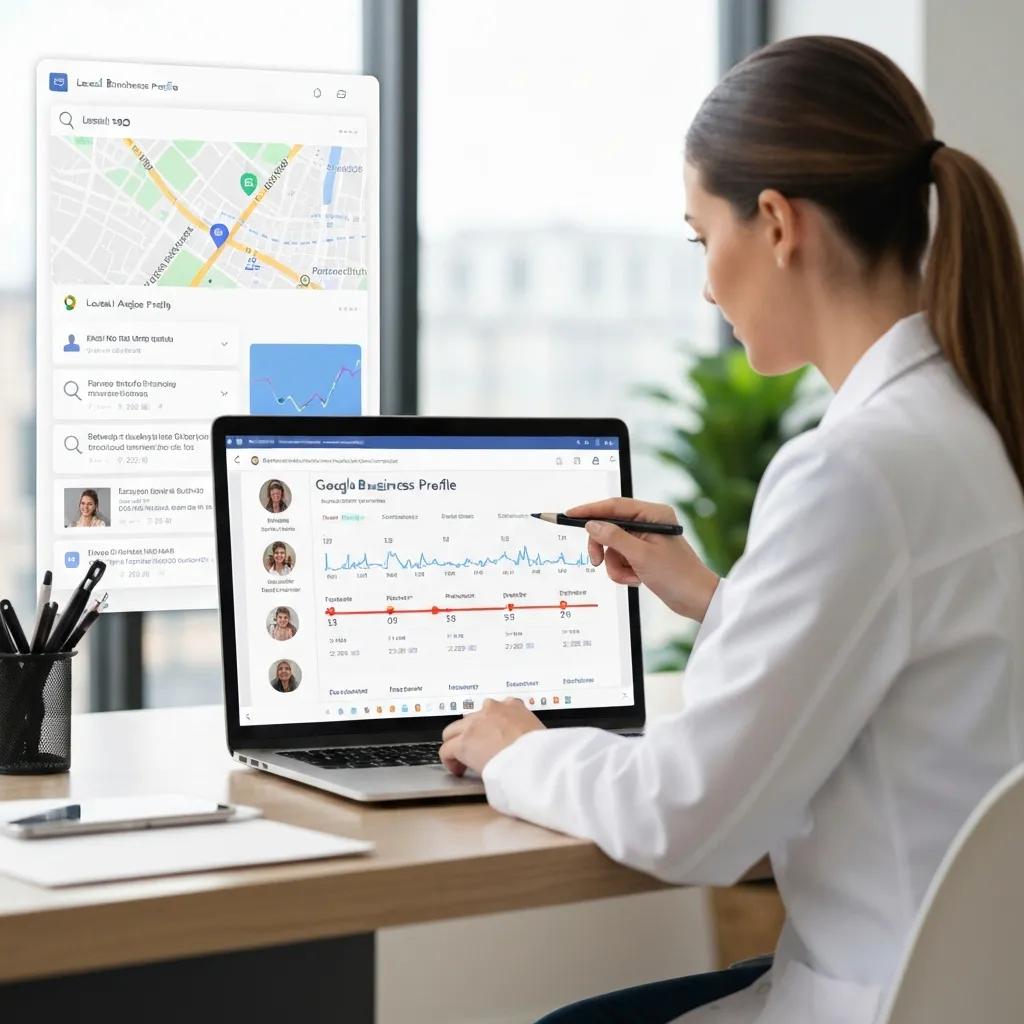
Local SEO boosts the impact of digital ads by increasing organic visibility in the same moments ads target, which lowers paid search costs and improves ad click‑through rates through consistent local signals. Optimising your Google Business Profile, building local citations and targeting “near me” keywords increases organic listings and the relevance of paid search, leading to lower CPL and higher‑quality leads. When your GBP shows opening hours, booking links and reviews alongside ads, users see stronger trust signals and are more likely to convert. Combining citations, GBP optimisation and consistent NAP with your paid strategy improves visibility across the local pack and paid results, reducing reliance on expensive keywords. The next subsections cover GBP actions and how “near me” searches and citations affect performance.
Key local SEO actions that support paid campaigns and their impact:
- Complete Google Business Profile fields, add service listings and link booking functionality to increase ad relevance.
- Build consistent local citations and directory listings to strengthen local authority and rankings.
- Optimise landing pages for “near me” queries and use schema to improve local SERP presence.
How Can Google Business Profile Optimisation Improve Local Healthcare Visibility?
Optimising your Google Business Profile improves visibility by providing consistent service descriptions, up‑to‑date booking links and active review management that influence both organic and paid click‑through rates. A complete GBP with accurate categories, services, photos and Q&A increases trust and encourages direct calls and booking clicks, which in turn help paid search quality and lower cost per conversion. Regular posts, timely review responses and linking verified booking systems reduce friction and align expectations. Integrating GBP with ad campaigns — using location extensions and matching booking links on landing pages — creates a seamless patient journey from discovery to appointment. The next subsection explains how “near me” searches and local citations further influence performance.
What Role Do "Near Me" Searches and Local Citations Play in Patient Growth?
“Near me” searches show strong local intent and often convert at higher rates than generic queries, making them valuable for paid and organic strategies. Local citations on reputable directories strengthen geographic relevance and trust signals to search engines, increasing the chance of appearing in local packs where ads and GBP entries appear together. Quick citation wins include healthcare directories, local chamber listings and consistent NAP across sites, which reduce confusion and increase referral traffic. Track local pack impressions, clicks and combined paid‑organic conversions after citation work to measure impact on acquisition costs and bookings. The next section presents case study evidence and metric comparisons showing how paid and local SEO can work together in practice.
Different local tactics deliver measurable benefits to ads and conversions.
| Local Tactic | Benefit | Impact on Ads / Conversions |
|---|---|---|
| Google Business Profile optimisation | Higher trust and more direct bookings | Improves ad CTR and conversion rate |
| Consistent citations | Stronger local authority | Boosts local pack ranking and organic reach |
| “Near me” keyword optimisation | Captures high local intent | Lowers CPL when targeted in paid search |
What Are Proven Case Studies and Metrics Demonstrating Digital Ads Success in Healthcare?
Concrete case examples show what to expect and how to design campaigns. One example details how an urban dental clinic combined targeted search, social remarketing and landing‑page optimisation to increase patient bookings over a controlled period. Campaigns focused on service‑specific keywords, local radius targeting and sequential remarketing with booking incentives; call tracking and CRM integration captured appointment conversion and downstream revenue for accurate CPL and ROAS. The EAV table below summarises outcome metrics across clinic/channel combinations so you can compare results and draw lessons for similar practices.
The following EAV‑style comparison presents campaign outcomes across representative clinics and channels.
| Clinic / Channel | Metric / Period | Result / Value |
|---|---|---|
| Sydney dental clinic / Search + Remarketing | 6‑month period; bookings | 70% increase in patient bookings |
| Allied health clinic / Local PPC | Quarterly period; CPL | CPL reduced by 25% after GBP + tracking |
| Regional physio / Social + Search | 3‑month period; leads | 40% uplift in qualified leads via remarketing |
Key lessons: align channels to patient intent, pair ads with optimised booking flows, and track conversions into your CRM. Prioritise attribution so bid and creative decisions are based on real outcomes.
How Did a Sydney Dental Clinic Increase Patient Bookings by 70% Using Targeted Ads?
In this case a Sydney dental clinic ran service‑focused Google Search campaigns, social awareness for elective treatments and sequential remarketing to recover website visitors who abandoned booking flows. The team created dedicated landing pages per service, added clear booking CTAs and integrated call tracking with the clinic’s booking system to capture offline conversions. Over six months the integrated approach produced a 70% uplift in patient bookings versus the prior period, driven by improved search relevance, higher landing‑page conversion rates and remarketing prompts that recovered interested users. Key tactics included radius‑based bidding, ad scheduling during booking hours and a simple booking incentive for first‑time patients. The EAV summary above puts this result in context and shows how measurement and local optimisation deliver tangible growth.
If you want similar outcomes, partner with providers who specialise in local healthcare advertising and combine Local SEO, Profile Management and analytics with targeted ads. Milkcan Marketing describes its process as a local growth focus with transparent pricing and no lock‑in contracts to help small dental and healthcare practices scale patient acquisition.
What ROI and Patient Growth Have Allied Health Clinics Achieved with Digital Marketing?
Allied health clinics (physio, chiro, allied specialists) see variable ROI depending on service mix and market, but measured campaigns commonly report sizeable lead uplifts and better booking conversion when ads are integrated with local SEO and booking automation. Typical improvements include lower CPL after GBP optimisation and higher qualified lead volumes from remarketing sequences that nurture prospects with educational content. Influencing factors include service profitability, landing‑page conversion, seasonality and competition; clinics that prioritise CRM integration and accurate call/booking tracking get the most reliable ROI because attribution guides bid and creative decisions. To improve ROI, focus on landing‑page conversion, test offers and use segmented remarketing to increase appointment rates.
Clinics wanting to replicate these improvements can request an audit or consultation to benchmark CPL and conversion performance and receive tailored recommendations based on market dynamics and service mix.
For clinics ready to accelerate local patient growth, Milkcan Marketing is an Australia‑based partner specialising in lead generation for small dental and healthcare practices. Our services include Local SEO, Reputation and Profile Management, Content Marketing, Analytics and Reporting, and Targeted Digital Ads. We emphasise dental market expertise, transparent pricing and no lock‑in contracts for clinics seeking a clear local growth strategy.
Frequently Asked Questions
What are the key benefits of using digital ads for healthcare marketing?
Digital ads increase visibility and let clinics reach patients at moments of intent — for example, when someone searches for a specific treatment. They enable targeted outreach to local audiences most likely to convert and provide measurable results, so you can track KPIs like cost per lead (CPL) and return on ad spend (ROAS) and optimise campaigns over time.
How can clinics ensure compliance with advertising regulations?
Follow guidance from local health authorities: use factual, verifiable language, avoid unsubstantiated health claims and represent clinician qualifications accurately. Be cautious with testimonials and ensure advertising aligns with ethical standards. Regular training and staying current with regulator updates will help keep your campaigns compliant.
What role does local SEO play in enhancing digital ad effectiveness?
Local SEO lifts organic visibility in the same searches your ads target, which can increase click‑through rates and lower CPL. A well‑managed Google Business Profile and consistent local listings build trust and make it more likely that users convert when they see consistent information across organic listings and ads.
How can clinics measure the success of their digital advertising campaigns?
Measure success with KPIs such as cost per lead (CPL), conversion rates and return on ad spend (ROAS). Track appointments booked as a direct result of ads and integrate call tracking with your CRM to follow the patient journey from first contact to booking. Accurate attribution lets you refine budgets and creative based on real performance.
What types of content should be included in digital ads for healthcare services?
Use clear, informative content that addresses patient needs: short educational copy about treatments, clinician qualifications and compliant testimonials where allowed. Visuals of the clinic or staff, and short videos that explain common procedures, improve engagement. Always include a clear CTA to book or enquire.
How can remarketing strategies improve patient acquisition for clinics?
Remarketing targets people who previously interacted with your website or ads, reminding them of services and encouraging them to complete booking. Effective remarketing includes tailored offers, educational content or gentle reminders about services they viewed, which helps recover lost leads and reinforces brand awareness.
Conclusion
Well‑planned digital advertising can materially improve patient acquisition for healthcare clinics across Australia. By combining targeted ads with local SEO and solid tracking, clinics can reach patients at the right moment, convert more bookings and measure real ROI. If you’d like tailored help optimising your digital marketing, get in touch with our team for a practical, no‑nonsense review and clear next steps.