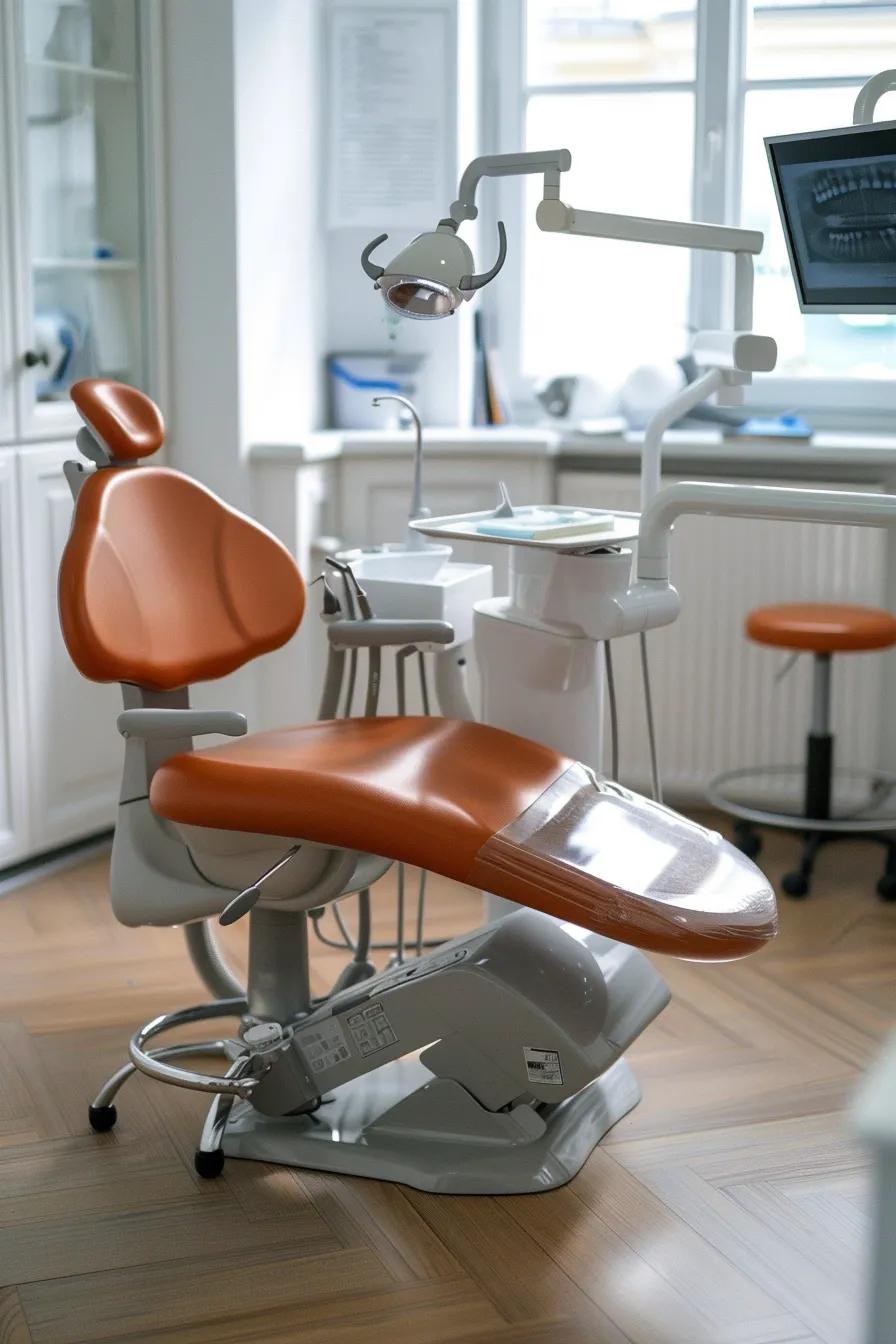
Ensuring Your Emails Reach the Inbox

How to Ensure Inbox Placement for Healthcare Emails in Australia
Email deliverability measures not just whether an email is sent, but whether it actually lands in the recipient’s inbox. For Australian healthcare practices, that distinction affects appointment attendance, patient confidence and revenue. This guide explains how inbox placement differs from simple delivery, the technical pillars that shape sender reputation, and the content and compliance habits that keep clinical communications lawful and useful. You’ll get practical steps — from SPF/DKIM/DMARC and IP warm-up to list hygiene, segmentation and mobile-first design — all tailored to medical and dental practices working under Australian rules. We map legal obligations under the Australian Spam Act, ethical list-building and segmentation tactics, subject-line and message templates, automation flows for patient journeys, and realistic KPI targets for measurement. Throughout, the emphasis is on clinic-ready checklists and monitoring routines that work for small practices on modest budgets. Keywords like email deliverability, inbox placement, healthcare email compliance Australia, patient email engagement strategies and medical practice email automation are woven through to support practical implementation in 2025.
What is email deliverability and why it matters for healthcare practices
Email deliverability is the share of sent messages that reach recipients’ inboxes rather than their spam or junk folders. It matters because inbox placement determines whether patients see appointment reminders, recalls and health alerts. Clinics that treat deliverability as a priority see fewer missed appointments, stronger patient trust and fewer regulatory headaches from spam complaints.
Deliverability is driven by sender reputation, authentication, list quality and recipient engagement. Improving these areas boosts open and click rates for patient messages. The following sections unpack how inbox placement affects daily clinic operations and describe the main technical and behavioural levers clinics should focus on.
How inbox placement affects patient communication
If an email never reaches the inbox, patients won’t see reminders about upcoming visits or test results — and that can lead to missed bookings, extra admin time and gaps in care. For a small dental or medical practice, a drop from 90% to 70% inbox placement can mean dozens of missed confirmations each month, higher no-show rates and more staff follow-up. Strong inbox placement helps patients confirm appointments, complete pre-visit forms and book recalls on time, stabilising workflow and revenue. Consistently visible messages also reinforce the clinic’s credibility and reduce the chance patients mark messages as unwanted.
What influences email deliverability for medical practices
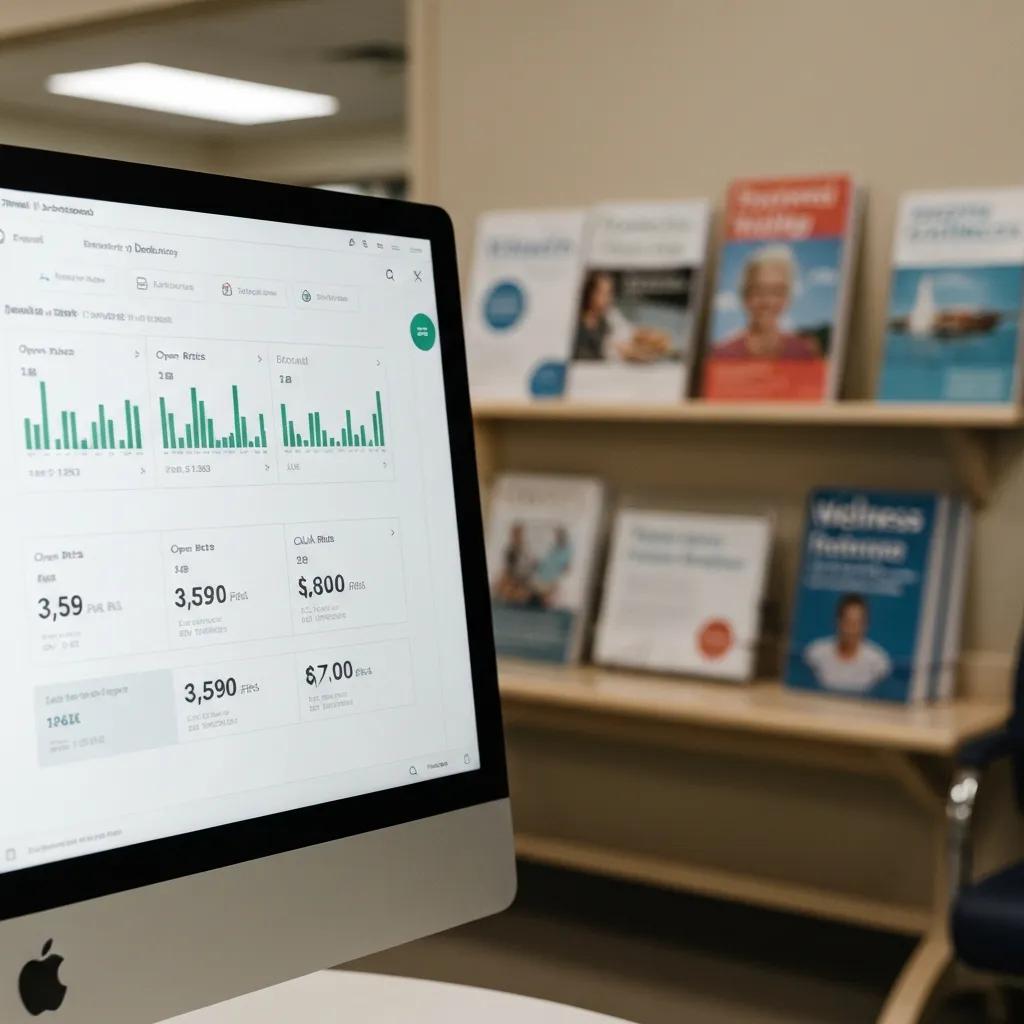
Deliverability hinges on sender reputation, correct email authentication (SPF, DKIM, DMARC), list health and the content and engagement signals your messages generate. Reputation builds over time through consistent sending patterns, low bounce rates and few spam complaints; authentication helps mail servers verify your domain and prevents spoofing. List hygiene — removing hard bounces, validating new addresses and re-engaging inactive recipients — preserves the engagement metrics ISPs use to decide inbox placement. Selecting an Email Service Provider (ESP) with a solid reputation and clear data-handling policies is also important for small clinics aiming for local compliance and predictable deliverability.
How the Australian Spam Act affects healthcare email compliance
The Australian Spam Act requires valid consent, clear sender identification and an easy unsubscribe option. For healthcare providers these rules overlap with privacy obligations around patient health information. Compliance protects deliverability: lawful consent and straightforward unsubscribes reduce spam complaints and the risk of ACMA attention that can damage sender reputation. Clinics should use transparent opt-in wording, keep consent records and process unsubscribe requests promptly to avoid penalties and inbox placement problems. The subsections that follow spell out consent rules, privacy overlaps and practical steps clinics can take immediately, followed by a compact EAV-style table that summarises obligations and actions.
Document where and how consent was obtained, and align email processes with privacy requirements to limit exposure when handling sensitive health data.
| Regulatory Requirement | What It Means | Clinic Action |
|---|---|---|
| Consent (express or inferred) | Send emails only with valid consent or in well-defined transactional situations | Log consent source, purpose and date in your practice management system |
| Identification | The sender must be clearly identified and contact details must be accurate | Use your clinic domain in the From address and include clinic name in the header and message |
| Unsubscribe | Provide a simple unsubscribe method and honour requests promptly | Automate unsubscribe handling and confirm removals to the recipient |
| Privacy & Health Data | Health information is sensitive and must be handled securely under privacy laws | Minimise PHI in email, use secure patient portals for results and document data flows |
This table clarifies the Australian Spam Act requirements and the straightforward actions clinics can take today to lower regulatory risk while protecting deliverability.
Key consent and privacy requirements under the Australian Spam Act
Consent under the Act may be express or inferred depending on context, and clinics must be able to show when and how consent was obtained for marketing or informational messages. Express consent is best for marketing — ask patients to opt in at booking or via web forms — while inferred consent can cover transactional messages like appointment confirmations where a prior relationship exists. Record consent in your CRM or practice system with date, method and purpose; this helps with compliance and preserves deliverability if questions arise. Also minimise health details sent by plain email and, when necessary, use secure portals to reduce privacy risk and complaint triggers.
How clinics can avoid spam complaints and penalties
Prevent complaints with clear opt-in language, sensible frequency limits and a visible unsubscribe link in every message. Process unsubscribe requests quickly and make sender identity explicit in the header and preheader to avoid confusion that leads to spam reports. Track complaint rates and add alerts that pause campaigns if complaints spike, then investigate segmentation or messaging errors that might be the cause. These operational controls reduce regulatory exposure and improve the engagement signals ISPs use to decide inbox placement.
How to build and segment engaged patient email lists
An engaged patient list begins with ethical opt-ins at multiple touchpoints and steady hygiene to preserve the engagement signals that drive deliverability. First-party sources — reception sign-ups, online booking confirmations and consent checkboxes — produce higher-quality lists than purchased data. Regular hygiene tasks such as removing hard bounces, validating new addresses and running re-engagement campaigns for inactive patients keep lists healthy and lower bounce and complaint rates. Below is a short step list for ethical growth, followed by segmentation guidance so clinics can match messages to patient needs and lifecycle stage.
Collect consent at point of care and sync list records with your CRM so segmentation reflects clinical context and patient preferences over time.
- Collect consent at multiple touchpoints: Offer clear opt-ins at reception, during booking and on your website with a stated purpose.
- Verify and validate addresses: Confirm addresses at entry and remove invalid ones to cut bounce rates.
- Avoid purchased lists: Use only first‑party or clinic-collected data to protect engagement and reputation.
- Run re-engagement sequences: Try to re‑engage inactive patients before removing them to preserve list health.
These steps create a foundation for useful segmentation and targeted communications that improve response and inbox placement.
Best practices for ethical email list growth in healthcare
Grow your list ethically with clear consent wording, purpose limits and easy ways for patients to update preferences. Use brief consent prompts at booking or on intake forms that explain the types of emails patients will receive — reminders, recalls, newsletters — and offer granular preference choices to reduce unwanted messages. Don’t buy third‑party lists: those contacts usually give low engagement and high complaint rates that harm deliverability. Finally, store consent metadata (where, when, how) centrally to prove lawful basis and refine segmentation by service type and patient choices.
How to segment patient email lists for better engagement
Segment by lifecycle stage and clinical needs — new patients, active patients, lapsed patients and by treatment type — so messages meet expectations and increase relevance. Use behaviour signals like opens and clicks to build dynamic segments for re-engagement or for higher-frequency outreach to engaged groups. Example segments: appointment reminders for active patients, recall prompts for those due for check-ups, and condition-specific updates for patients who opted in. This reduces irrelevant messaging, lowers unsubscribes and complaints, and strengthens sender reputation over time.
Strategies for crafting engaging, deliverable healthcare emails
Emails that reach the inbox combine clear, short subject lines, a recognisable sender name, helpful preheaders and mobile-first content that respects privacy. Subject lines should be specific and benefit-led (appointment reminder, test results available) while avoiding common spam-trigger words; preheaders should reinforce the subject and identify the sender. Personalisation — a first name, appointment date or treatment type — increases relevance but avoid exposing clinical details in headers to protect privacy. Below is a practical table linking email elements to best practices and quick templates for patient-facing messages.
| Element | Best Practice | Example/Template |
|---|---|---|
| Subject line | Keep it concise, specific and free of spammy phrasing | “Reminder: Your dental appointment — 12 Aug, 10:00” |
| Sender name | Use the clinic or practitioner name for immediate recognition | “Smith Dental Clinic” |
| Preheader | Support the subject and include the primary action | “Confirm or reschedule in one click” |
| CTA | Give a single, prominent action and link to a secure portal | “Confirm appointment” button linking to secure booking portal |
Use these structural elements and examples to improve opens and reduce spam triggers right away.
When clinics prefer hands-on help turning these practices into patient-facing campaigns, Milkcan Marketing can create compliant, patient-centred email copy and templates that respect privacy and deliverability requirements. Our work complements in-house processes and provides practical support aimed at small practice owners who want measurable results.
How subject lines and personalisation improve open rates
Subject lines are often the biggest driver of opens: concise, benefit-led copy that sets expectations increases curiosity without tripping spam filters. Personalisation that stays non-sensitive — first name, service type or appointment date — makes emails feel relevant and safe, improving open and click rates while avoiding clinical details in headers. Run A/B tests to compare approaches and validate lifts, and always validate personalisation fields to avoid embarrassing errors. When paired with good list hygiene, controlled personalisation boosts engagement and helps your sender reputation.
Why mobile optimisation matters for healthcare emails
Most patients read email on mobile, so responsive single-column layouts, clear CTAs and touch-friendly buttons improve usability and conversion. Keep content scannable with short paragraphs, clear headings and legible type sizes; ensure links are easy to tap and that the preheader communicates the main action for readers on the go. Mobile mistakes lead to fast deletes, low engagement and negative signals to mail providers — so test templates across common devices and clients and prioritise mobile-first design.
How automation lifts patient engagement and deliverability

Automation improves both engagement and deliverability by sending timely, relevant messages that invite interaction — which in turn boosts the open and click metrics ISPs reward. Thoughtful automated sequences — welcome series, appointment reminders, follow-ups and reactivation flows — create predictable communication patterns and reduce risky one-off bulk sends. Automation also lets you control frequency and target re-engagement, lowering complaints and saving staff time. The next sections list high-impact sequences and a short implementation checklist for small practices.
Start automation conservatively and scale as engagement grows, while keeping consent records and watching key metrics to ensure compliance and performance.
- Welcome series: Set expectations, confirm preferences and encourage initial engagement over three short messages.
- Appointment reminders: Send staggered reminders (7 days, 48 hours, 24 hours) with clear CTAs to confirm or reschedule.
- Re-engagement flows: Try automated attempts to win back lapsed patients, then suppress if inactive.
- Feedback/follow-up: Send post-visit messages that ask for a quick satisfaction rating and invite reviews or referrals.
These patterns raise retention, produce steady engagement signals that support inbox placement and cut manual admin for clinic teams.
Most effective automated email sequences for medical practices
High-impact sequences include a short welcome series to set expectations, staggered appointment reminders to reduce no-shows, brief follow-ups to confirm outcomes and short reactivation flows for lapsed patients. For example: immediate booking confirmation, a three-day follow-up to confirm preferences, and a week-later message with practice resources; appointment reminders usually follow a 7/2/1 day cadence to reduce no-shows. Implement these sequences carefully and monitor engagement so patients aren’t overloaded and compliance is maintained.
How automation improves retention and efficiency
Automation frees reception and clinicians from repetitive messaging and delivers timely prompts that boost appointment adherence and recall bookings, yielding measurable retention improvements. Personalised journeys — triggered by appointment type, treatment plan or patient lifecycle — stay relevant without extra manual effort and lower the cost per contact. A simple example: automating reminders and follow-ups for a small clinic can cut no-shows by 20–30% and recover staff hours previously spent on phone confirmations. Those operational gains improve patient experience and inbox placement as regular engagement strengthens sender reputation.
If you’d like help implementing automation or linking email sequences with digital ads and content, Milkcan Marketing’s Content Marketing and Digital Advertising services include email automation setup and optimisation. We help small healthcare owners combine in-house effort with specialist support to speed up deliverability improvements.
How to measure and improve email deliverability metrics in healthcare
Measure deliverability by tracking open rate, click-through rate, bounce rate and spam complaint rate, and compare them to realistic clinical benchmarks to guide action. Regular reporting — weekly for active campaigns and monthly for strategic review — surfaces trends like rising bounces or falling opens before they become problems. Use A/B testing and analytics to refine subject lines, send times and segmentation, while running technical checks (SPF/DKIM/DMARC status, IP reputation) to keep infrastructure healthy. The table below maps key metrics to what they mean and target thresholds suitable for small healthcare practices.
Use the KPI targets and reporting cadence to decide when to pause a campaign, clean a list or escalate to your ESP or an external specialist for remediation.
| Metric | Description | KPI / Threshold |
|---|---|---|
| Open Rate | Share of recipients who open an email | Target 25–35% for patient-focused messages |
| Click-Through Rate (CTR) | Share who click a link or CTA | Target 5–12% depending on CTA complexity |
| Bounce Rate | Messages returned as undelivered | Keep hard bounces <2% and remove addresses immediately |
| Spam Complaint Rate | Recipients marking mail as spam | Keep <0.1%; investigate promptly if higher |
These benchmarks are realistic targets for healthcare communications and highlight when list hygiene or content changes are needed to protect deliverability.
Which metrics show email deliverability is working
Open and click rates show engagement and relevance; high bounce rates and spam complaints point to list or content issues and need fast action. Well-maintained clinic lists often see open rates of 25–35% for appointment and transactional messages, with CTRs commonly between 5–12% depending on the call to action. Hard bounces above 2% indicate address quality problems; spam complaints above 0.1% require immediate investigation and likely suppression of the offending segment. Monitoring these KPIs together helps clinics balance content, frequency and list quality to steadily improve inbox placement.
How A/B testing and analytics optimise healthcare email campaigns
A/B testing subject lines, preheaders, send times and CTAs gives evidence of what works with your patient base and reduces guesswork. Use analytics to spot underperforming segments for rework or suppression. Start with subject line and send-time tests using meaningful sample sizes, evaluate lift and scale winners into larger sends; track downstream outcomes like appointments booked to measure real impact. Keep a disciplined testing cadence — one test per campaign batch — and document results so improvements compound over time. Turning deliverability monitoring into a continuous optimisation process delivers better patient outcomes and stronger inbox placement.
For clinics that prefer external measurement and iterative support, Milkcan Marketing can measure outcomes and refine campaigns using analytics and reporting aligned to clinic KPIs like bookings and retention. We work with small healthcare owners to demonstrate clear value and drive inquiries and sign-ups while staying focused on practical results.
Frequently asked questions
What common challenges do healthcare practices face with email deliverability?
Clinics commonly struggle with low sender reputation, high bounce rates and spam complaints. Causes include poor list hygiene, missing authentication and non-compliant messaging under the Australian Spam Act. Many practices also find it hard to write engaging content that patients open and act on. Fixing these issues means combining technical checks, regular list maintenance and clearer, more relevant messaging.
How can healthcare practices improve their sender reputation?
Improve reputation by sending relevant content, keeping bounce rates low and following email rules. Regularly clean lists to remove invalid or inactive addresses, focus on messages that encourage opens and clicks, and implement SPF, DKIM and DMARC so mail providers can verify your domain. Over time, consistent, low‑complaint sending builds trust with ISPs and improves inbox placement.
What role does patient feedback play in email engagement?
Patient feedback helps you tailor content and timing to real preferences. Use short surveys or follow-up questions to learn what patients find useful, then adjust subject lines, frequency and message types accordingly. Positive feedback builds credibility; addressing negative feedback quickly reduces complaint risk and improves future engagement.
How often should clinics clean their email lists?
Aim to clean email lists at least quarterly. Regular hygiene removes inactive subscribers, hard bounces and invalid addresses that lower deliverability. Monitor engagement continually and clean more often if opens or clicks drop. Run re-engagement sequences before removing subscribers so you preserve as many valid contacts as possible.
What are the benefits of automation in healthcare email marketing?
Automation saves staff time and increases patient engagement by delivering the right messages at the right time. Automated sequences like reminders and follow-ups improve appointment adherence and keep patients connected without manual effort. Personalised automation also boosts open and click rates, which in turn supports better deliverability.
How can healthcare practices ensure compliance with email regulations?
Obtain explicit consent for marketing emails, keep accurate consent records, provide a clear unsubscribe option in every message and honour requests promptly. Train staff on compliance requirements and monitor adherence to the Australian Spam Act to reduce legal risk and protect sender reputation.
Conclusion
Email deliverability matters for Australian healthcare practices because it directly affects patient engagement and clinic income. By applying best practices — solid authentication, disciplined list hygiene and compliance with the Australian Spam Act — clinics can strengthen sender reputation and improve inbox placement. Act now: small, consistent changes to your email program will increase patient trust, reduce no-shows and make communication more efficient. If you want practical help, Milkcan Marketing can support clinics with compliant, results-focused email programs that fit a small practice budget.