Predicting Future Marketing Trends

2026 Marketing Trends Every Small Clinic Needs to Know
Small healthcare practices are at a crossroads in 2026. Data-informed tools and changing patient behaviours are already shifting how clinics attract, book and retain patients. This article helps practice owners spot the likely trends and turn those signals into practical steps — covering predictive analytics, AI use-cases, telehealth promotion, local SEO for dental and allied health, and patient-centred personalisation. We know many clinics juggle tight budgets, messy data and compliance limits; by targeting measurable gains in acquisition and retention, modest investments can translate into more steady bookings and higher lifetime value. The sections below define the main trends, show where predictive analytics delivers the biggest wins, outline concrete digital tactics for Australian providers, explain how ethical personalisation will evolve, highlight common adoption hurdles and low-cost fixes, and describe how Milkcan Marketing supports clinics with focused services. The emphasis is practical throughout: easy first moves, simple tools and metrics you can start tracking this month to get ready for 2026.
What Are the Key Marketing Trends Shaping Healthcare in 2026?
The big themes for 2026 cluster around automation, better prediction from data and stronger local presence: artificial intelligence, predictive analytics, telehealth promotion, personalisation, and a renewed focus on local SEO. Each trend changes how patients find services and how clinics convert interest into bookings — by improving targeting, removing friction and building trust. Knowing these trends helps small clinics spend limited resources on tactics that move the needle. Below are the top five trends with a short impact statement and the first practical step for a small practice.
- AI-driven automation and optimisation: AI reduces manual work across chat, content and ads so conversion rates improve with less hands-on effort.
- Predictive analytics for acquisition and retention: Models surface high-value prospects and patients at risk of dropping off so outreach is prioritised.
- Telehealth marketing: Promoting virtual care expands your catchment and keeps patients connected between visits.
- Personalisation at scale: Basic segmentation plus automation delivers more relevant comms that lift appointment adherence.
- Local SEO and reputation management: Being easy to find locally and having strong reviews drives more inbound bookings.
These trends feed one another: AI sharpens predictive models, models power personalised outreach, and analytics measure the results. For many clinics, a short engagement with an expert speeds implementation — we’re an Australian digital agency focused on affordable growth for small dental and allied health practices, offering Local SEO, Content Marketing and Analytics & Reporting to turn these trends into practical campaigns without lock-in contracts.
How Is Artificial Intelligence Transforming Healthcare Marketing?
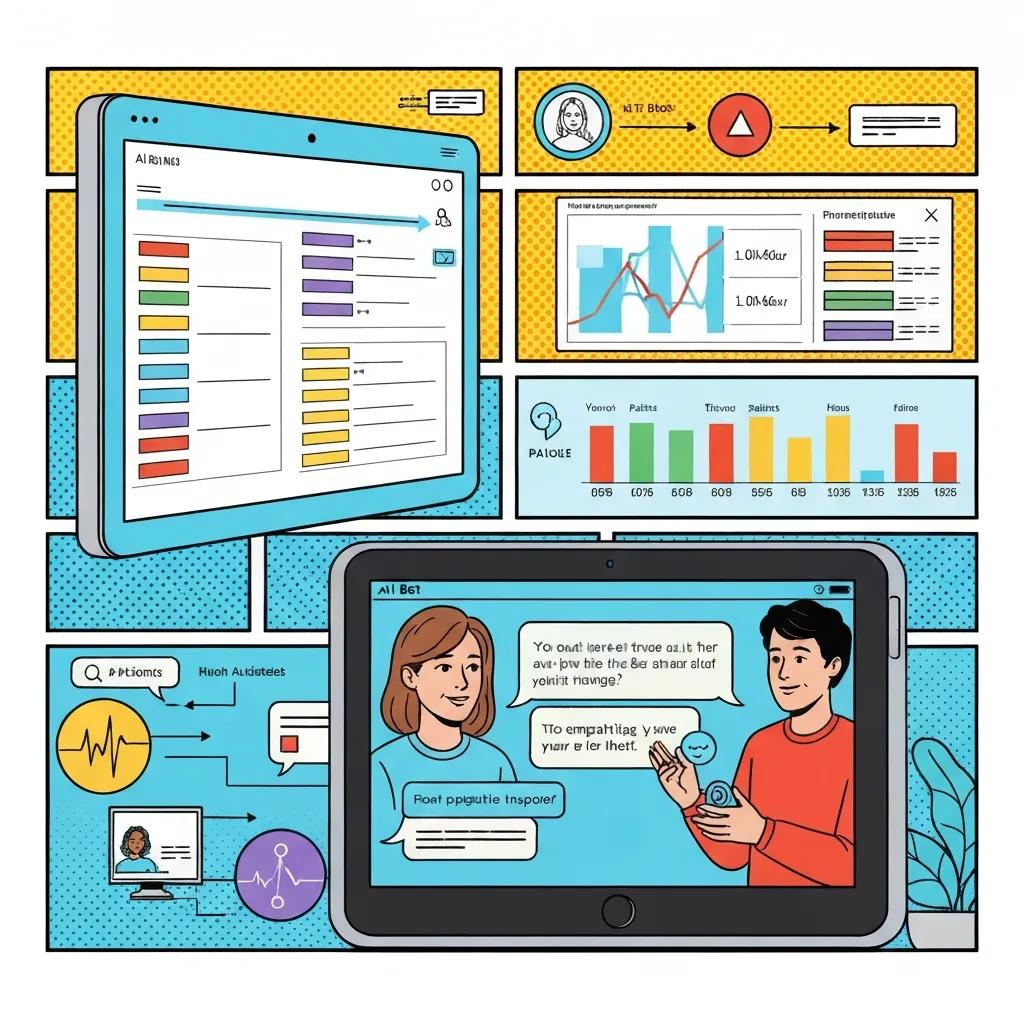
AI helps clinics automate routine tasks, deliver more personalised messages and improve targeting by spotting patterns across patient and campaign data. Common uses include chatbots for basic enquiries and triage, automated ad optimisation to lower cost-per-lead, and scalable content generation for patient education. These tools reduce day-to-day workload and often raise responsiveness and conversion — but they need clear guardrails to avoid privacy issues or inaccurate clinical guidance. Start small: pilot a rule-based chatbot for appointment triage and try basic AI features in ad platforms to test uplift before wider rollout.
AI brings trade-offs between efficiency and oversight, so set up monitoring that flags mistakes and keeps patient trust front of mind. That same monitoring mindset is essential when promoting telehealth — AI-driven messaging must stay within your clinical scope and consent practices.
Why Is Telehealth Marketing Essential for Small Healthcare Practices?

Telehealth marketing widens access, improves retention and offers a practical route for chronic-care follow-up and simple triage without a bigger physical footprint. Patients increasingly expect virtual options — making telehealth visible across service pages, local profiles and targeted ads increases convenience-driven bookings and can cut no-shows. Practical steps include building a clear telehealth landing page, marking virtual availability on local listings, and using short explainer videos to show how a virtual consult works. Keep messaging compliant and clinically accurate, and ensure your booking system clearly separates in-person and virtual slots to avoid mix-ups.
Effective telehealth promotion depends on tracking behaviour and outcomes, which naturally links into predictive analytics and straightforward measurement — covered next.
How Can Predictive Analytics Improve Patient Acquisition and Engagement?
Predictive analytics uses appointment histories, demographics and behaviour signals to forecast who’s likely to book, cancel or become a repeat patient. That insight improves targeting, raises retention and gets more value from ad spend. Clinics using predictive signals can focus outreach on high-value prospects, reduce no-shows with timely reminders and re-engage lapsed patients with personalised offers. Typical gains include higher fill rates, lower cost-per-acquisition and improved lifetime patient value when clinics act on model outputs. For small practices there are three practical paths: in-house spreadsheets and basic segmentation, low-cost SaaS that surfaces scores, or partnering with an agency for a managed analytics and reporting service.
Below is a comparison of common predictive analytics approaches to help clinics decide quickly.
| Approach | Estimated Cost | Data Needs | Expected Benefit |
|---|---|---|---|
| In-house spreadsheets | Low (staff time) | Appointment logs, simple CRM exports | Basic segmentation; actionable for small clinics |
| Lightweight SaaS | Low–medium subscription | Website analytics, appointment API, ad data | Automated scores, dashboards; easy to run experiments |
| Agency analytics | Medium (managed service) | Aggregated sources, custom tracking | Actionable insights, campaign optimisation; less staff time |
The comparison shows clinics with limited time can start with spreadsheets, while those wanting faster, repeatable insights should trial a SaaS or agency service. In short, predictive analytics helps you focus activity where it drives measurable bookings and better retention.
What Data Sources Drive Predictive Analytics in Healthcare Marketing?
Useful predictive signals come from appointment histories, patient demographics, website behaviour, ad performance and online review patterns. Key KPIs to track include booking conversion rate, no-show rate, time-to-book after enquiry and cost per lead from ads; combining no-show data with demographics often reveals cohorts that benefit from targeted reminders. Privacy and compliance are essential — minimise personally identifiable information in analytics exports and use consent-based communications where required. A practical first step is exporting 6–12 months of appointment and marketing data and building simple pivot tables to spot high-value referral sources and common drop-off points.
Knowing which data sources matter makes it easier to choose an implementation path and to run small experiments that validate predictive signals before you scale.
How Do Small Practices Leverage Predictive Analytics Without Enterprise Tools?
Small practices can get predictive value with a stepwise, low-cost approach: audit available data, run simple segmentations in spreadsheets, set up GA4 segments for website behaviour, and test basic scoring rules for outreach prioritisation. Low-cost SaaS options often include pre-built dashboards and lead scoring with minimal setup; alternatively, an agency-managed Analytics & Reporting service can aggregate sources and run experiments on your behalf. Crucially, adopt a pilot → measure → iterate mindset: test one predictive rule (for example, target patients who cancelled once in the past 90 days and viewed a specific service page) and measure booking lift over 60 days. If the pilot shows positive ROI, scale gradually or outsource if internal capacity is limited.
These steps balance cost and impact while protecting compliance and patient trust, and they prepare your clinic to use personalised communications effectively.
What Are the Future Digital Marketing Strategies for Australian Healthcare Providers?
Future strategies for Australian dental and allied health clinics combine local SEO, helpful content, targeted ads and short-form video to guide patients from discovery to booking. Each channel serves a role: SEO builds steady organic visibility, content builds trust and reduces friction, paid ads accelerate reach to high-intent prospects, and video increases engagement and clarifies services. The tactical mix — local SEO for findability, content to answer common questions, and ads to push high-converting pages — creates a predictable funnel for bookings. Below is a compact table linking each strategy to a single first-step action for small clinics.
| Strategy | Attribute | Practical Action |
|---|---|---|
| Local SEO | Local visibility & reviews | Optimise your Google Business Profile and keep NAP consistent across citations |
| Content Marketing | Patient education & trust | Publish service-focused pages and FAQ posts that answer common concerns |
| Telehealth Promotion | Accessibility & retention | Add a clear telehealth page and mark virtual availability on local listings |
| Social video | Engagement & conversion | Create short explainer videos for top procedures and share them on socials |
Those first moves are low-cost and high-impact: tidy your local profiles, publish a helpful service page, add a telehealth landing page and test a short procedure video. The next sections dive deeper into two high-value tactics — local SEO and content marketing.
How Does Local SEO Boost Visibility for Dental and Allied Health Clinics?
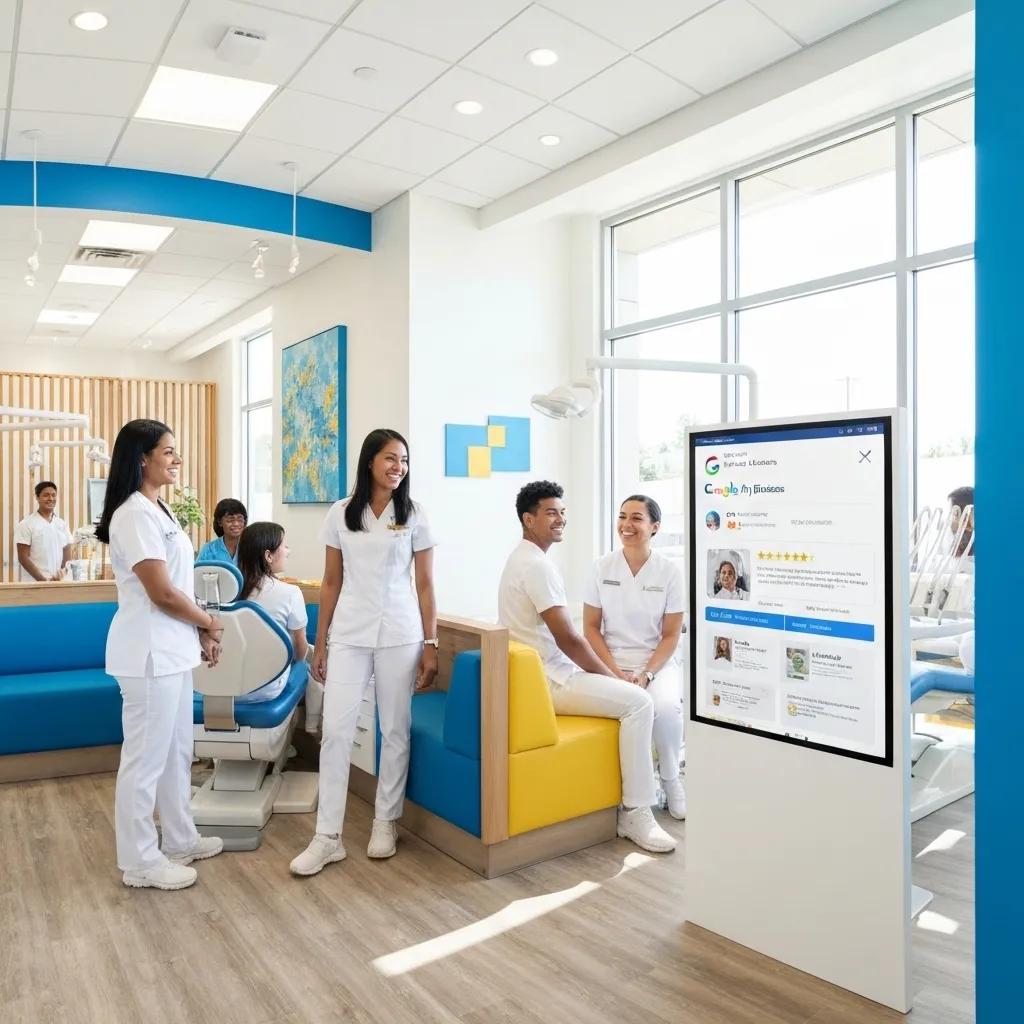
Local SEO focuses on signals like your Google Business Profile, reviews, local citations and locally relevant content so patients searching nearby can find you. For dental and allied health clinics, priorities are: choose the right service categories, upload clear photos, ask for and respond to reviews quickly, and keep your practice name and details consistent across directories. A short local SEO checklist: claim your profile, verify service areas, add descriptive service pages with local keywords and run a citation audit to fix mismatches. These steps improve ranking for searches like “dentist near me” and build trust through visible, up-to-date reviews.
Strong local signals also support paid search and social campaigns, improving ad relevance and often lowering cost-per-click when combined with content that answers patient questions.
Which Content Marketing Approaches Drive Patient Education and Trust?
Content that genuinely helps patients — service pages, condition explainers, FAQs and short procedural videos — reduces anxiety and shortens the decision pathway to booking. Map content to the patient journey: awareness pieces that explain symptoms, consideration content that compares options, and conversion pages with clear booking calls-to-action. Measure success with engagement metrics (time on page, video plays) and conversion outcomes (booking form submissions, call volume). A practical content cluster could centre on a common treatment with child pages for steps, recovery tips and patient stories to build credibility and organic visibility.
Good content also powers other channels: it becomes landing pages for ads, material for social posts and authoritative resources that strengthen local SEO signals.
How Will Personalisation and Patient-Centric Marketing Evolve in Healthcare?
Personalisation will move away from generic blasts toward context-sensitive messages that respect privacy and consent while giving patients timely reminders and useful education. Data-driven personalisation uses simple segmentation — last appointment, treatment type and engagement behaviour — to automate reminders, follow-ups and reactivation messages that feel relevant. The tools are modest: CRM tags, email/SMS automation rules and basic audience lists in ad platforms can deliver meaningful lifts in attendance and rebook rates. Ethics matter: data minimisation, explicit consent and clear opt-outs must underpin any personalisation to protect trust and meet Australian guidance.
Clinics that adopt ethical personalisation tend to see better retention and stronger patient relationships, which supports sustainable growth and compliance.
What Role Does Data-Driven Personalisation Play in Patient Communication?
Data-driven personalisation makes messages relevant by tying them to patient history — reminders for routine care, recall scheduling or pre-visit instructions — so no-shows fall and preparedness improves. Minimal data needs are simple: last-visit date, treatment code and preferred contact method; richer data enables lifecycle messaging and targeted education. Set segmentation rules in your practice management system or CRM to trigger messages automatically, then track open and conversion rates to refine copy and timing. Always respect consent and record communication preferences so patients stay in control while your engagement improves.
This practical approach to segmentation scales personalisation without expensive enterprise systems.
How Can Practices Enhance the Patient Journey Through Ethical Marketing?
Improving the patient journey ethically combines clear consent steps, plain explanations of data use and communications that prioritise clinical relevance over sales pressure. Practical actions include adding consent tick-boxes for marketing, keeping marketing lists separate from clinical records where possible, and publishing simple privacy notices that explain data use. Avoid sensational claims and ensure advertising fits AHPRA guidance and professional standards. Transparent practices build trust — and trust drives referrals and long-term retention.
Ethical marketing also lowers regulatory risk and protects your clinic’s reputation as personalised outreach raises patient satisfaction.
What Challenges Do Small Healthcare Practices Face in Adopting Future Marketing Trends?
Small practices commonly run into four barriers: tight budgets, limited technical skills, compliance complexity and fragmented data. Each barrier can be managed with low-cost choices or clear outsourcing. Budget limits mean prioritising pilots that show impact; skills gaps can be addressed with simple training or managed services; compliance needs documented consent and conservative wording; and poor data quality is fixable with a focused audit. The table below offers a quick decision framework to help practice owners choose when to do work internally and when to outsource.
| Challenge | Low-cost Mitigation | When to Outsource |
|---|---|---|
| Budget constraints | Pilot one channel and measure ROI before scaling | When campaigns need steady multi-channel spend |
| Skills gap | Use step-by-step training and simple SaaS tools | For complex analytics or automation setups |
| Compliance concerns | Use templates and a consent checklist | When legal or regulatory risk is ongoing |
| Fragmented data | Run a one-off data-cleaning audit | For ongoing data integration and reporting needs |
This framework helps clinics pick actions that return bookings quickly and signals where agency support makes sense. Next, we cover two common concerns — regulatory compliance and affordable implementation — with concrete steps.
How Can Practices Overcome Regulatory and Compliance Issues in Marketing?
Start with a marketing audit that maps every communication touchpoint, checks consent wording and flags any claims that go beyond the evidence. Practical actions include standardising consent text, documenting opt-out processes and keeping promotional copy clinically accurate and non-misleading. Refer to authoritative Australian guidance when unsure and choose conservative wording for outcome claims. A documented audit and a simple approval workflow reduce risk and create a repeatable process for future campaigns.
Having a reliable compliance routine also makes it safer to test new channels — including AI-generated copy or automated reminders — without exposing the practice to regulatory scrutiny.
What Are Practical Steps to Implement Emerging Technologies Affordably?
Use a pilot-first roadmap: audit current assets, pick one high-impact pilot (for example a local SEO fix or a predictive outreach campaign), measure results for 60–90 days, then iterate or scale. Low-cost tools and SaaS platforms cover most needs: basic GA4 for website signals, CRM tags for segmentation and entry-level ad automation. Budget realistically: small pilots often run on low tens to low hundreds of dollars per month plus staff time. Outsource when pilot complexity or ongoing management exceeds internal capacity. Track a handful of KPIs — appointment conversions, cost-per-lead and retention rate — to keep pilots focused and measurable.
Pilots that show clear uplift create the case for modest sustained investment and guide whether to bring in external partners to scale.
How Does Milkcan Marketing Support Healthcare Practices in Navigating Future Trends?
Milkcan Marketing helps Australian dental and allied health practices turn trends into local growth plans that balance affordability with measurable outcomes. Relevant services include Analytics & Reporting to surface predictive signals, Local SEO to improve discoverability, Content Marketing to educate patients and Reputation Management to strengthen local trust. We position our services for small clinics with transparent pricing and no lock-in contracts so you can pilot services without long-term commitment. Most engagements start with an audit, a short pilot and then scale based on clear metrics like booking lift and cost-per-lead improvement.
Which Services Help Practices Adapt to AI and Predictive Marketing?
Services that support AI and predictive adoption include Analytics & Reporting for data aggregation and scoring, campaign optimisation for ads using machine learning targeting, and content workflows that use automation while keeping clinical oversight. Typical deliverables are dashboard reports, audience segmentation, campaign tests and optimisation recommendations. Our engagement model follows audit → pilot → scale, helping practices start small with measurable success before committing to larger programs. This approach suits clinics that want outsourced analytics while retaining control over clinical messaging and consent.
By aligning service scope with clinic capacity, practices get predictive insights without building a large internal team.
What Case Studies Demonstrate Successful Trend Adoption in Australian Clinics?
Anonymous case summaries show practical wins: a small dental clinic increased new-patient bookings through local SEO and targeted content, and an allied health practice cut no-shows using personalised reminder sequences from simple predictive rules. In one example, local profile optimisation and review management lifted organic enquiries by a measurable amount within three months; in another, segmented reminders tied to treatment improved attendance and rebook rates. These examples show modest investments in the right areas — local SEO, content and analytics — deliver measurable acquisition and retention gains.
These anonymised outcomes are practical, repeatable approaches clinics can apply without enterprise budgets.
Frequently Asked Questions
What are the benefits of using predictive analytics in healthcare marketing?
Predictive analytics helps clinics target likely patients, improve retention and make ad spend more efficient. By analysing past appointments and engagement, you can identify high-value prospects and patients at risk of dropping off, enabling tailored outreach. The result is higher appointment fill rates, lower cost-per-acquisition and better lifetime value. Predictive insights also guide timely reminders and personalised offers that boost engagement and loyalty.
How can small practices ensure compliance with marketing regulations?
Regular marketing audits are the starting point: review consent language, check promotional claims for clinical accuracy and document opt-out processes. Follow guidance from bodies like AHPRA and use conservative wording for outcome claims. Being transparent about data use and obtaining explicit consent builds trust while reducing regulatory risk.
What role does local SEO play in attracting new patients?
Local SEO is vital for bringing in new patients because it improves visibility in nearby searches. Optimising your Google Business Profile, managing reviews and keeping directory information consistent helps you appear for searches like “dentist near me.” Better visibility drives more website visits and calls, while positive reviews build trust and increase appointment bookings.
How can practices effectively promote their telehealth services?
Create a dedicated telehealth landing page that explains benefits and the virtual appointment process, list virtual availability on local profiles and run targeted ads highlighting telehealth. Short explainer videos help patients understand what to expect. Ensure all materials follow clinical guidelines and that booking systems clearly separate virtual and in-person slots to avoid confusion.
What are some low-cost strategies for small healthcare practices to implement?
Start with local SEO: tidy your Google Business Profile and ask for patient reviews. Publish helpful content — blog posts and FAQs — to educate visitors. Use simple spreadsheets for basic predictive analytics to identify high-value patients. These low-cost moves can drive noticeable improvements without large budgets.
How can practices measure the success of their marketing efforts?
Track core KPIs such as appointment conversion rate, retention rate and cost per lead. Use analytics to monitor website traffic, engagement and campaign performance. Regular reviews of these metrics reveal what’s working and where to adjust, enabling data-driven decisions that improve patient acquisition and retention.
What ethical considerations should be taken into account in healthcare marketing?
Protect patient privacy, obtain clear consent for data use and avoid misleading claims. Be transparent about how you use data and give patients easy opt-out options. Focus communications on clinical relevance rather than pressure to convert. Following these principles builds trust, supports compliance and safeguards your clinic’s reputation.
Conclusion
Preparing for future marketing trends will help small healthcare practices stay competitive and patient-focused. By using predictive analytics, sensible AI tools and strong local SEO, clinics can improve acquisition and retention while keeping costs manageable. Take small, measurable steps now to be ready for 2026 — and if you’d like help, Milkcan Marketing can work with you to design affordable pilots that deliver clear metrics and scale responsibly.