
Boosting Your Online Presence

Boost Your Healthcare SEO in Australia to Attract Local Patients
Your practice’s online presence decides whether nearby patients can find you, trust you and book care when they need it most. This guide breaks down healthcare SEO — how local search, content, technical optimisation and reputation systems work together to turn searches into appointments — and gives practical steps Australian clinics can use today. You’ll learn why local intent matters for medical services, how to set up a Google Business Profile that drives bookings, which reputation and E-E-A-T tactics build trust, and which technical fixes speed pages and lift conversion. We cover local SEO approaches for dentists, chiropractors and physios, content ideas that match patient journeys, schema and performance priorities, plus a measurement framework to track ROI. Throughout, the advice is actionable, compliant with Australian practice expectations, and focused on attracting nearby patients.
What Is Local SEO and Why Is It Essential for Healthcare Practices in Australia?
Local SEO for healthcare means tailoring your online presence so search engines and patients link location-based queries (like “dentist near me”) to your clinic. It’s about aligning signals — a well-managed Google Business Profile, consistent citations, locally relevant on-page content and local backlinks — so your clinic shows up in the local pack and map results where appointment demand is highest. The key benefit is more qualified visibility: local-intent searches convert more often than generic traffic, producing more calls, bookings and new patients. Knowing how these elements work helps practices focus time and budget on the actions that give measurable growth.
| Tactic | What it affects | Patient benefit |
|---|---|---|
| Google Business Profile optimisation | Local pack and map visibility | More local discovery and direct booking actions |
| Local citations (directories) | Trust signals and NAP consistency | Fewer mismatches and more reliable map rankings |
| Location-specific pages | Relevance for city + service searches | Higher conversion for “near me” and suburb queries |
| Local keyword content | On-page relevance and intent matching | Improved organic clicks from motivated patients |
This comparison makes it easier to see which investments create direct local outcomes, so clinics can pick quick wins before tackling deeper site work. Focused work on these items reduces friction between search intent and booking, setting the stage for better profile and review systems next.
How Does Local SEO Improve Online Visibility for Medical Clinics?
Local SEO boosts visibility by sending search engines consistent, verified local signals so clinics appear in the map pack and local organic listings. Google’s local algorithms weigh relevance, distance and prominence — which are shaped by an optimised business profile, your proximity to the searcher and citation consistency. For example, matching NAP (name, address, phone) across directories and using accurate service descriptions strengthens your prominence signal, while targeted location pages answer specific local queries. Together these tactics increase impressions in local searches and drive higher-quality clicks that are more likely to turn into booked consultations or phone calls.
Because profiles attract initial attention and websites convert intent into bookings, clinics should pair profile optimisation with strong on-site local content. The next section outlines specialty-specific tactics that align local intent with patient needs.
What Are the Key Local SEO Strategies for Dentists, Chiropractors, and Physiotherapists?
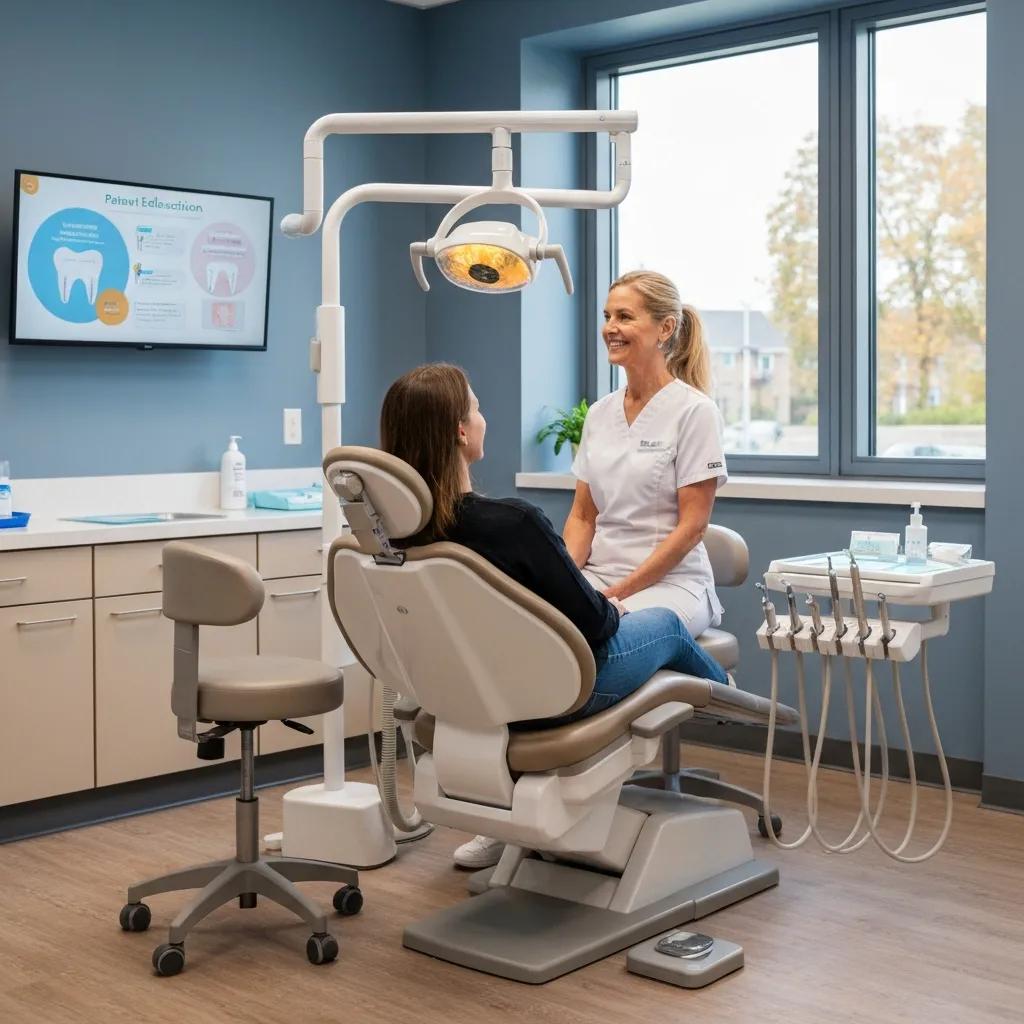
Each speciality uses the same foundations but benefits from tailored content and category choices that reflect how patients search. Dentists should prioritise procedure pages (for example, root canal, cosmetic dentistry) and gallery photos that reduce booking hesitation. Chiropractors get traction from symptom-to-treatment pages (for example, lower-back pain relief) and clear service lists on their profile. Physiotherapists benefit from recovery pathways and outcome-focused case notes that match rehabilitation intent. Service pages should include local keywords (suburb + service), direct calls-to-action and structured data so search engines can match queries to your clinic.
Applying these speciality steps increases relevance for niche, high-intent queries and complements citation and GBP work to lift both map visibility and on-site conversions.
How Can Optimising Your Google Business Profile Enhance Patient Acquisition?

A fully optimised Google Business Profile (GBP) turns local visibility into patient actions by offering booking options, accurate service details and trust-building photos and posts. GBP affects both discovery (local pack appearances) and conversion (click-to-call, appointment links), so it’s important to get categories, services, photos, attributes and booking integrations right. When used correctly, GBP captures micro-moments — when a patient searches, considers and converts — by showing the exact information they need. Review GBP Insights regularly so you can iterate on the elements that deliver the most calls and bookings.
Below is a practical checklist to guide GBP optimisation for healthcare providers.
- Make sure core business info (name, category, service area) is complete and verified.
- Add detailed service items and choose correct medical categories that match your procedures.
- Upload patient-friendly photos and short video clips that show the clinic and staff.
- Enable appointment/booking links and set attributes (for example, ‘accepts appointments’) to reduce friction.
- Post updates and offers regularly, and monitor GBP Insights for search terms and user actions.
Turning optimisation into a routine makes it repeatable and measurable. Clinics that follow these steps consistently see steady improvements in GBP-driven appointments.
Introductory note: the table below maps specific GBP elements to expected impacts so clinics can prioritise the highest-return items.
| GBP Element | Action | Impact |
|---|---|---|
| Photos and videos | Add recent, high-quality imagery of the practice and staff | Higher click-throughs and more trust |
| Services and categories | List specific procedures with clear descriptions | Greater relevance for treatment queries |
| Booking links | Enable direct appointment links | Lower conversion friction and more bookings |
| Posts and Q&A | Share patient education and answer common queries | Better engagement and broader local-query coverage |
| Attributes (accessibility, payment) | Add accurate attributes | Improved matches for patient needs and filters |
This mapping helps clinics focus on elements that drive discovery and conversion, so resources target outcomes like more calls and online bookings.
For practices that prefer specialist support, Milkcan Marketing offers Google Business Profile management as part of a local growth strategy for small healthcare clinics. Our approach links profile optimisation with local content and citation work to increase map visibility and booking actions while keeping clinics in control. If you want help after completing the checklist, this managed GBP option is a practical next step.
What Steps Are Involved in Google Business Profile Optimisation for Healthcare Providers?
GBP optimisation starts with verification and choosing the precise category for your clinical services, then moves to granular service items and patient-focused media. Confirm the profile is claimed and verified, then add services with clear clinical terms and time estimates where helpful. High-quality photos of the waiting area, treatment rooms and practitioner headshots build trust, and regular posts on patient education and seasonal updates keep the profile relevant. Finally, enable and test booking links and messaging so the path from search to appointment is seamless.
Review GBP Insights consistently to see which photos, posts or services generate the most actions and refine your approach over time.
How Do Patient Reviews and Reputation Management Impact Your Online Presence?
Patient reviews are both ranking signals and conversion drivers: volume, recency and sentiment affect map rankings and whether a searcher chooses your clinic. Clinics should ethically ask for reviews after positive experiences, respond quickly and professionally to feedback, and address clinical governance issues with transparency. A pattern of positive reviews increases trust and helps GBP and organic listings stand out, while timely, professional responses to concerns show accountability. Using monitoring tools and a clear response protocol ensures feedback is handled consistently and in line with professional standards.
A good reputation process raises prominence in search and patient confidence, which together increase new-patient acquisition through both organic and profile-driven channels.
What Reputation Management Strategies Build Trust and Authority for Healthcare Clinics?
Reputation management means generating genuine patient feedback, responding professionally to reviews, and publishing evidence-based content and credential information that demonstrate E-E-A-T (Experience, Expertise, Authoritativeness, Trustworthiness). Ethical review workflows ask for feedback at appropriate touchpoints, while response protocols protect patient privacy and clinical governance. Publishing clinician bios, anonymised outcome summaries or case studies (with consent) and citing reputable sources builds authoritativeness for both users and search engines. Combined, these tactics make listings and site pages more persuasive and increase conversion from discovery to booked care.
- Encourage feedback at discharge and via follow-up messages that include an optional review link.
- Use short, templated responses that acknowledge the patient and invite offline resolution for concerns.
- Publish clinician bios with verifiable qualifications and link to professional bodies where permitted.
- Highlight anonymised outcome summaries and patient education to show practical expertise.
These steps create a consistent reputation workflow that increases review volume and strengthens perceived clinical authority. Used regularly, they improve local ranking signals and make patients more likely to choose your practice.
Many clinics later outsource review generation and monitoring to specialists. Milkcan Marketing provides reputation management tailored to small healthcare practices, helping clinics collect and manage reviews while ensuring compliance with professional standards and clear reporting. This managed option suits practices that want to scale review collection without extra administrative load.
How Can You Generate and Manage Patient Reviews Effectively?
Timing matters: ask for feedback soon after a positive care experience when patient satisfaction is highest, and give simple optional links or QR codes to minimise friction. Train staff to spot satisfied patients and invite reviews subtly, and automate follow-up messages after appointments to capture more responses. Track review volume, sentiment and response times in a central dashboard so issues surface quickly. Use templated yet personalised replies that thank the patient and offer offline follow-up when needed to protect privacy.
A structured workflow increases both the number and quality of reviews while helping clinics respond professionally and quickly, which supports better local search performance.
Why Is Building E-E-A-T Important for Medical Professionals Online?
E-E-A-T matters because search engines and patients favour content that shows clinician experience, verifiable expertise, authoritative evidence and trustworthy practice standards. Practical steps include publishing author bios with clear credentials, producing evidence-based patient education with citations to reputable sources, and sharing case-study outcomes where permissible. Linking to regulatory guidance and professional bodies (for example, referencing relevant Australian practice standards) reinforces trust without breaching advertising rules. Over time these actions build authoritative signals that improve organic rankings and patient confidence.
Prioritising E-E-A-T reduces patient hesitation when comparing providers and keeps content compliant and patient-focused.
How Does Content Marketing Engage Patients and Support Healthcare SEO?
Content marketing should educate patients, answer local queries and guide them from symptom recognition to booking an appointment. Structure content around the patient journey: awareness (condition explainers), consideration (treatment options and procedure guides), and decision (pricing clarity, how to book). Localised content — city or suburb plus service — captures near-me queries and brings motivated patients to service pages. An editorial mix of blogs, FAQs, video explainers and short social posts increases touchpoints and improves on-site dwell time and relevance for search.
Maintain an editorial calendar aligned to seasonal demand, local events and common clinical questions to keep content timely and useful. The sections below give format examples and distribution tactics clinics can apply right away.
What Types of Blog Content Attract Dental and Healthcare Patients?
The best blog topics answer common patient questions and reduce booking friction while staying locally relevant. Useful formats include condition explainers (what causes tooth sensitivity), procedure walk-throughs (what to expect from a chiropractic adjustment), recovery timelines (physio rehab milestones), and local guides (after‑hours care in [suburb]). Each post should have clear calls-to-action, internal links to service pages, and schema where appropriate to improve snippet chances. Mapping topics to search intent helps attract qualified traffic that’s likely to convert into consultations.
Updating evergreen posts and adding local context increases their long-term value and supports location-based discovery for clinics.
How Can Video and Social Media Marketing Boost Patient Engagement?
Short educational videos and patient testimonial clips humanise your practice and extend reach across platforms where patients consume content. Produce 60–90 second explainers that answer one patient question, demo a common treatment step, or introduce staff to reduce appointment anxiety. Cross-post these videos to social platforms and embed them on service pages and GBP posts to boost engagement and trust. Repurpose clips into captions, story highlights and short text posts to get more value without constant new production.
Regular, patient-focused video content builds familiarity and makes it easier for patients to choose your clinic when they’re searching or asking for recommendations.
What Advanced SEO and Technical Optimisations Improve Healthcare Website Performance?
Advanced SEO for healthcare targets site speed, mobile-first design, structured data (schema), crawlability and clear site architecture — especially important for multi-location practices. Core Web Vitals, particularly Largest Contentful Paint and interaction readiness, affect both rankings and conversion because slow pages increase bounce risk. Implement appropriate schema for medical services and practitioners to improve the chance of rich results and clearer search understanding. For multi-location clinics, use canonicalisation and clear location pages to avoid duplication and ensure each page serves local queries effectively.
Tackling these technical priorities reduces friction in the patient journey and increases the value of your content and profile work. The subsections below outline performance targets and schema best practice.
Why Are Website Speed and Mobile-Friendliness Critical for Medical Practices?
Speed and mobile usability directly influence patient behaviour: faster pages lift conversions and reduce missed calls, while mobile-first layouts match how most local searches happen. Targets to aim for include Largest Contentful Paint under 2.5 seconds and interactive readiness within three seconds on typical mobile devices. Practical fixes include image optimisation, efficient caching, removing render-blocking resources and using responsive design that puts appointment CTAs above the fold. Regular audits and monitoring prevent regressions as content grows.
Faster, mobile-friendly sites not only help rankings but also deliver measurable uplifts in bookings and phone enquiries.
How Does Schema Markup Enhance Search Engine Understanding of Healthcare Services?
Schema markup tells search engines what each page is about — services, provider details, reviews, FAQs — and increases the chance of rich results or knowledge panels. Useful schema types for clinics include LocalBusiness, MedicalBusiness, MedicalSpecialty/Service, Practitioner, FAQ and Review. Use JSON-LD snippets that include practitioner names, service titles, descriptions and accepted payment or booking methods where allowed, and test them with structured-data validators. Good schema helps search engines show more informative snippets that answer patient queries directly in search results.
Structured data complements your content and GBP work by supplying machine-readable context that improves discoverability and perceived trust.
How Can Small Healthcare Practices Measure and Maximise ROI from Online Marketing?
Measuring ROI means tracking visibility, engagement and conversion metrics and linking them to patient-acquisition outcomes with a consistent attribution setup. Key metrics include organic impressions and clicks, GBP views and actions (calls, direction requests), website conversions like appointment bookings and contact forms, and downstream measures such as new-patient counts. Setting up GA4, call tracking and UTM tags on paid or referral campaigns lets clinics attribute leads to channels and optimise spend. Regular reporting and A/B testing of CTAs, landing pages and profile elements help improve conversion efficiency and patient lifetime value.
Clear KPIs and disciplined tracking let clinics prioritise activities that deliver measurable new-patient growth and revenue. The table below summarises actionable KPIs, how to measure them and why they matter.
| KPI | Measurement method | Why it matters |
|---|---|---|
| Organic impressions & clicks | Search Console / GA4 | Shows visibility and keyword performance |
| GBP actions (calls/bookings) | GBP Insights / call tracking | Direct measure of profile-driven demand |
| Website conversions (bookings/forms) | GA4 events / UTM tracking | Tracks intent through to appointments |
| New patients (offline) | CRM or intake tracking | Ties digital activity to revenue |
| Average response time | CRM logs / phone metrics | Correlates with conversion from inbound leads |
After you set up tracking, many clinics commission an external audit to spot quick wins and measurement gaps. Milkcan Marketing provides tailored audits and consultations for small healthcare practices, delivering a clear report and prioritised actions to improve tracking and ROI. If you’re ready to measure and optimise, this consultation is a practical next step.
What Key Performance Indicators Track Online Visibility and Patient Acquisition?
Your KPI mix should include top-of-funnel visibility metrics and bottom-of-funnel conversion measures to give a full picture. Track organic impressions and clicks for reach, GBP views and actions for profile-driven demand, and website conversions (bookings, contact forms, phone calls) for direct acquisition. Add new-patient counts from your practice system and backlink/referral growth as authority signals. Set baseline values and improvement targets — for example, a 20% rise in GBP actions or a 15% lift in booking conversion — to guide optimisation.
Regular reporting and a single dashboard that combines online metrics with offline outcomes make optimisation decisions easier and help justify marketing spend.
How Do Case Studies Demonstrate the Impact of Local SEO and Digital Marketing?
Case studies make ROI tangible by showing the challenge, approach and measurable outcomes — for example, lifts in organic traffic, GBP actions and new patients over a set period. A strong case study includes baseline metrics, the tactics used (GBP optimisation, local content, review generation), the timeline of changes, and the resulting increases in calls, bookings and patient intake. Client quotes and before/after visuals (ranking snapshots, appointment volume graphs) add credibility while respecting privacy. Well-presented case studies help clinics set realistic expectations and see how similar work could deliver results.
One practical tip: the strategies here perform best when paired with ongoing measurement and periodic audits. If you prefer outside help, Milkcan Marketing offers audits and consultations that deliver prioritised recommendations and an actionable roadmap tailored to small healthcare practices. Our audit is a clear next step for clinics ready to measure and maximise ROI from their online marketing.
Frequently Asked Questions
What are the benefits of local SEO for healthcare practices?
Local SEO increases a clinic’s visibility for location-based searches, helping you attract patients who are actively looking for nearby care. This targeted traffic tends to convert at higher rates, so you get more qualified leads and bookings. Local SEO also builds credibility through consistent online information and positive patient reviews, which helps patients choose your practice.
How can content marketing improve patient engagement?
Content marketing engages patients by answering their questions and guiding them through the care journey. Educational blog posts, videos and FAQs help patients recognise symptoms, compare treatments and decide where to book. Regular, useful content positions your clinic as a trusted source, improves search rankings and increases appointment bookings.
What role do patient reviews play in healthcare SEO?
Patient reviews act as ranking signals and trust markers. More recent, positive reviews can lift your visibility in local search and make it more likely a patient will choose your clinic. Responding to reviews — both praise and concerns — shows you care and helps build a trustworthy online reputation.
How can clinics effectively manage their online reputation?
Effective reputation management means actively asking for feedback, responding to reviews professionally, and keeping a consistent online presence. Encourage satisfied patients to leave reviews soon after their appointment, address negative feedback promptly and publish clinician bios and case studies to strengthen credibility. A structured approach builds trust and helps attract more patients.
What technical SEO factors should healthcare websites focus on?
Prioritise website speed, mobile-friendliness and structured data. Fast pages reduce bounce and increase conversions; responsive design matches how most patients search; and schema helps search engines show richer, more useful results. Regular technical audits keep performance optimal as your site grows.
How can clinics measure the success of their SEO efforts?
Measure SEO with KPIs like organic traffic, conversion rates and patient acquisition. Tools such as Google Analytics and Google Business Profile Insights provide data on engagement and actions. Track changes in rankings, traffic and bookings, and use regular reports to refine strategy and improve results over time.
Conclusion
Local SEO tailored to healthcare can noticeably increase patient acquisition and trust. By prioritising Google Business Profile optimisation, a consistent reputation workflow and well‑targeted content — plus sensible technical improvements — clinics can convert local searches into appointments. Focus on clear, compliant content and measured improvements, and consider expert support if you need help executing the plan. When you combine these tactics with regular measurement, your practice will be much better placed to attract and retain nearby patients.