
Targeting Patients with Social Ads
Targeting Patients with Social Ads: Practical Social Media Advertising for Australian Clinics
Social ads are paid posts on platforms like Meta, TikTok and LinkedIn that let clinics reach defined audiences. Used well, they become a direct, measurable channel for new patient enquiries and bookings for small Australian clinics. This guide shows how targeted social advertising complements search and referral sources to turn awareness into appointments. Many clinics find it hard to convert interest into bookings — tightly-structured social campaigns fix that by combining clear audience signals, AHPRA‑aware messaging and conversion-focused funnels. Read on to learn why social ads matter in healthcare, which platforms suit different services, how to build compliant campaigns, local targeting tactics that convert and how to measure PAC and ROAS against your booking system. We include practical steps for dentists, chiropractors and physiotherapists and flag privacy constraints relevant in Australia. By the end you’ll have a simple, repeatable model for planning, launching and optimising social ads that deliver reliable patient enquiries.
Why Use Social Ads for Patient Acquisition in Australian Healthcare?
Social ads let clinics reach local people by combining demographic, interest and behavioural signals in ways search can’t. They bridge the gap between introduction and booking by placing helpful, trust-building content into feeds where potential patients already spend time — often before those people start actively searching for care. This section summarises the core reasons clinics invest in social advertising and how each advantage maps to measurable patient outcomes.
Social ads deliver several measurable benefits for healthcare practices:
- Targeted local reach: Limit delivery by radius, suburb or postcode so your ads reach nearby people most likely to become patients.
- Faster patient acquisition: Paid campaigns create immediate traffic and enquiries, accelerating bookings compared with organic-only efforts.
- Testable creative and messaging: Run A/B tests on headlines, offers and formats to steadily improve conversion rates.
- Retargeting and frequency control: Repeated, relevant exposure builds trust and nudges warm prospects toward booking.
Together these advantages make social ads a practical complement to referrals and search. Understanding how they work helps you pick the right platforms and niche tactics covered next.
What Are the Benefits of Social Media Advertising for Healthcare Practices?
Paid social expands local visibility by combining precise audience signals with formats that educate and prompt action — which matters for healthcare, where trust and clarity drive decisions. Lead forms, in-ad booking CTAs and landing pages that connect to scheduling systems reduce the time between discovery and appointment. For example, a dental clinic using radius targeting with lead‑generation creatives can turn awareness into a booked consult faster than relying on organic posts alone, while ongoing creative testing improves ROI over time. The next section explains how ad exposure, social proof and repeat contact change patient behaviour and local discovery.
Social ads shape patient behaviour through repeated exposure, social proof and straightforward CTAs that lower friction to booking. That means ad frequency and creative strategy materially affect conversion. Messages that address common local concerns — cosmetic dentistry, chronic back pain or post‑op rehab — work well when paired with short videos or testimonial-style content (always used with consent). Campaigns that guide users through a small awareness→consideration→conversion journey usually generate higher-quality enquiries than one-off ads. That behavioural understanding informs platform and format choices discussed next.
Which Social Media Platforms Are Best for Targeting Healthcare Patients in Australia?
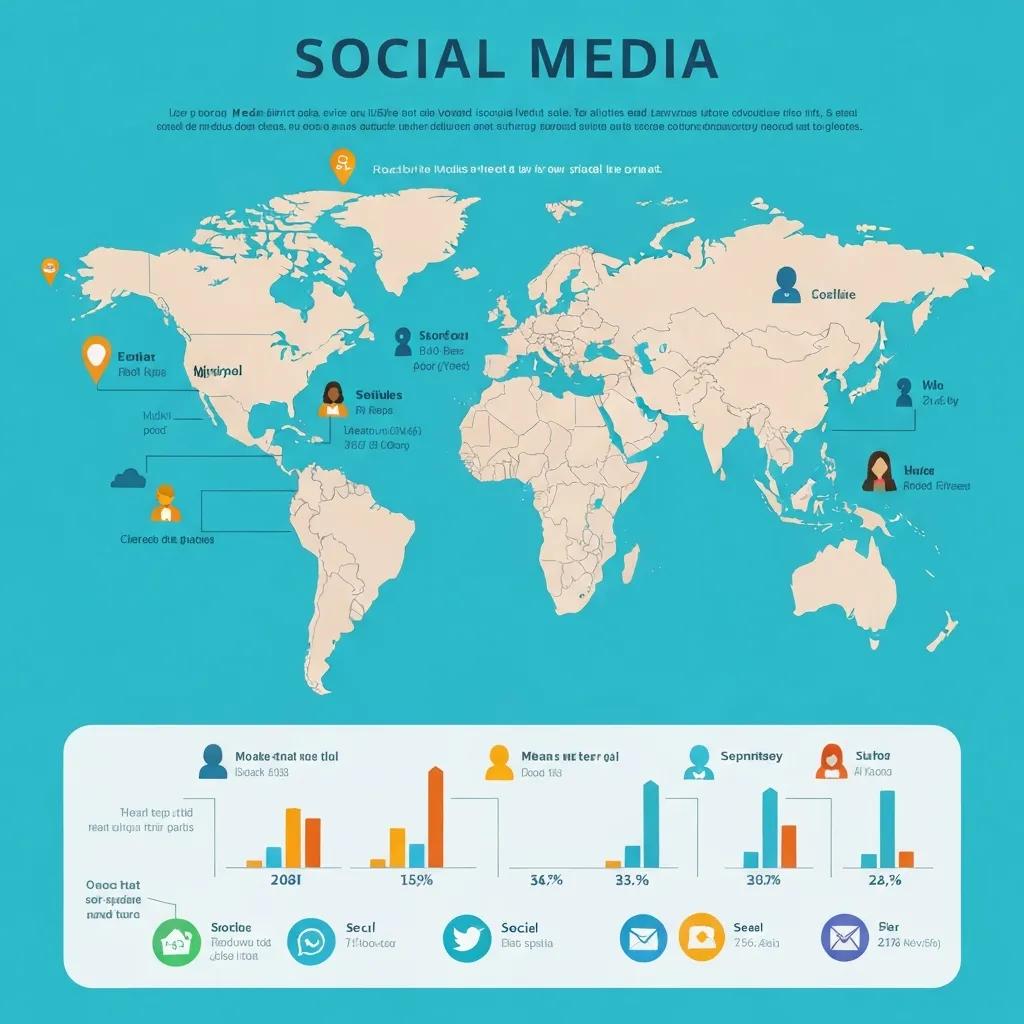
Platform choice depends on your niche, target demographic and creative resources. Platforms differ by reach, formats and targeting depth, so match your choice to the clinic’s ideal patient profile. Facebook and Instagram (Meta) remain core for local healthcare because of their audience scale and targeting tools. TikTok can drive awareness with younger audiences, while LinkedIn fits allied‑health and corporate wellness offers. The table below compares platform strengths to help you prioritise budget and effort.
| Platform | Best-for (niche) | Key Targeting Options | Typical Ad Formats | Example KPI |
|---|---|---|---|---|
| Facebook (Meta) | General practice, dentists | Radius, age, interests, lookalike audiences | Feed ads, lead forms, video | Cost per lead |
| Cosmetic dentistry, chiropractors | Location, interests, behaviours | Reels, Stories, feed images | Engagement → booking rate | |
| TikTok | Awareness for younger audiences | Interests, trending behaviours | Short-form video, TopView | Video view‑through rate |
| Allied health, corporate programs | Job title, industry | Sponsored content, message ads | Employer enquiries |
This snapshot shows platform strengths and how selection ties to clinic goals. Next we’ll look at Facebook tactics for dentists and Instagram best practices for chiropractors.
How Do Facebook Ads Drive Patient Acquisition for Dentists?
Facebook performs well for dental clinics because it combines local targeting, lead capture and conversion tracking to drive measurable bookings. A typical funnel starts with awareness (video or carousel), moves to consideration (lead form or landing page) and finishes with conversion (tracked booking confirmation). Audiences usually layer a local radius with dental interest signals and customer lists for retargeting, while lookalikes seeded from patient lists expand reach to similar prospects. Smooth landing pages and booking flows reduce drop‑off and improve return on ad spend.
Example practical setup and creative guidance:
- Campaign objective: Use Conversions for booking-focused funnels or Lead Generation for quick inquiry capture.
- Audience: Radius 10–15 km around the clinic, exclude existing patients and staff, then add dental interest layers.
- Creative: Short explainer video about a common procedure, a clear CTA to book a consult, and a compliant testimonial used with consent.
These tactics lead neatly into Instagram creative approaches useful for allied health providers.
What Are Instagram Ads Best Practices for Chiropractors?
Instagram is built for visual storytelling and short video, which suits chiropractors who can demonstrate movement exercises, brief education clips and patient outcomes while staying compliant. Reels and Stories turn attention into enquiries when they use a quick educational hook, a clear CTA and local boosts to the clinic’s audience. Combine location targeting with interests like fitness, sports or workplace ergonomics, and retarget website visitors with appointment CTAs to close the funnel. Make sure booking CTAs are visible on the profile and that landing pages connect cleanly to clinic software.
Practical creative tips and campaign flow:
- Format: 15–30 second Reels showing a simple mobility tip that finish with a booking CTA.
- Consent: Get written consent for any patient footage and prefer anonymised testimonials where consent isn’t available.
- Targeting: Focus on nearby fitness-interested audiences and retarget site visitors to convert interest into bookings.
With platforms and creative approaches chosen, the next section covers building campaigns that comply with Australian rules and protect patient privacy.
How to Create Compliant and Effective Social Ad Campaigns for Healthcare?

Compliant campaigns start with AHPRA guidance and the Privacy Act: claims must be evidence-based, testimonials consented and sensitive health data handled carefully in targeting and tracking. A compliance-first checklist reduces regulatory risk and helps preserve patient trust. Creative teams should record consent, avoid unsubstantiated claims and prefer privacy-safe audience tactics (for example, broad interest targeting rather than sensitive health observables). Applying these safeguards while optimising for conversions produces campaigns clinics can run with confidence. The checklist below lists essential compliance steps to complete before launch.
Core compliance checklist for healthcare social ads:
- AHPRA alignment: Keep claims factual and evidence-based; avoid misleading comparisons or guarantees.
- Testimonial and imagery consent: Obtain and securely store written consent for patient images, videos and statements.
- Privacy Act controls: Limit collection of health-related data and handle first-party lists carefully (hashed uploads, minimal fields).
Adhering to this checklist reduces regulatory risk and feeds into writing compliant ad copy and creatives covered next.
What Are AHPRA Guidelines for Healthcare Social Media Advertising?
AHPRA requires health advertising to be truthful, not misleading and not exploitative. Paid social must avoid definitive outcome promises and should support any clinical claims with appropriate evidence. Testimonials and before/after images are allowed only with informed consent and must not misrepresent typical results. Clinics should retain records of consent and the evidence supporting claims, and treat paid ads as controlled advertising — routing creatives through clinical review and logging approvals for audit readiness. These constraints shape creative strategies that persuade without overstepping regulatory boundaries.
Practical examples and documentation steps:
- Documentation: Keep evidence sources and consent forms on file for any claim or testimonial used in ads.
- Language: Use measured phrasing like “may help” instead of guarantees, and reference validated treatments without claiming superiority.
- Approval flow: Route ad creatives through a clinical reviewer before launch and log approvals for compliance audits.
AHPRA Advertising Compliance: Social Media Strategies for Australian Health Practitioners
This editorial reviews AHPRA’s advertising rules and suggests practical steps to improve compliance and enforcement. It notes limited progress on behaviour change despite guideline updates and recommends better use of social channels for rapid alerts, clearer reporting of breaches and a risk-based approach to prioritising investigations. The piece argues for stronger, more visible guidance and faster feedback loops to help practitioners stay compliant.
How can AHPRA improve compliance of health practitioner advertising?, 2020
With AHPRA principles covered, the next subsection explains how to craft engaging, privacy-safe creative that converts.
How to Craft Engaging and Privacy-Compliant Ad Content?
Lead with education, not promises: start by naming common symptoms, outline the clinical approach and invite a consult using clear, risk‑aware CTAs. For visuals, prefer animated explainers, clinician-led tips and anonymised case summaries when consent is absent. When you use patient stories, always secure written consent and include any necessary disclaimers. Use short, benefit-focused CTAs such as “Book an assessment” rather than outcome claims, and ensure landing pages repeat the compliant message while only collecting the minimum personal data needed to book. These practices keep you legally safe without losing persuasive power.
Creative production workflow and privacy safeguards:
- Hook: Open with a common symptom or problem statement to capture attention quickly.
- Value: Explain what a consult involves and what patients can expect so there are no surprises.
- CTA: Use measured CTAs linked to booking or consult requests; avoid absolute outcome language.
Next, we cover audience-building strategies that maximise patient acquisition from social ads.
What Targeting Strategies Maximise Patient Acquisition with Social Ads?
The most effective targeting blends demographic signals, first‑party data and retargeting to build an intention-led funnel focused on local patients. Define an ideal patient profile — age, location, life stage and interests — then layer audiences to balance scale with relevance. Use lookalikes and retargeting to expand reach and recover interested users. This section outlines practical audience types, when to use them, and the expected results so clinics can design efficient spend. The table below maps audience types to signals and use-cases.
| Audience Type | Attribute/Signal Used | When to Use | Expected Outcome |
|---|---|---|---|
| Demographic | Age, gender, life stage | New-service awareness | Relevant reach with stable scale |
| Interest-based | Fitness, parenting, dental care | Service-specific promotions | Higher intent than broad audiences |
| Lookalike | Seeded from patient lists | Scaling high-value leads | Users with similar conversion behaviour |
| Retargeting | Website visitors, form starters | Convert warm prospects | Lower PAC, higher booking rate |
This mapping helps you choose which audience builds to prioritise and how they fit a full funnel.
How to Use Demographic and Interest Targeting for Healthcare Patients?
Demographic and interest targeting creates immediate relevance by focusing on life stage and behaviour signals — parents for paediatric dental campaigns, middle‑aged office workers for posture-related chiropractic work, or athletes for physiotherapy outreach. Layer demographics with interests and location to increase precision while keeping enough scale for optimisation. Start broader to gather data, then narrow using high-performing interest layers and exclusions as conversion signals accumulate. This sequence prepares effective lookalike seeding and retargeting.
Audience build sequence and example:
- Seed: Start with a radius-based demographic target around the clinic plus one relevant interest layer.
- Optimise: After initial results, add exclusions and tighten age brackets to lift conversion rates.
- Scale: Use winning segments to build lookalikes and expand reach without diluting intent.
What Role Do Lookalike Audiences and Geo-Targeting Play in Patient Growth?
Lookalikes scale efficiently by finding users similar to your best patients, using seeds such as confirmed bookings, newsletter subscribers or high-intent website visitors. Geo-targeting focuses spend on suburbs, radius bands and exclusion zones so you avoid wasted impressions outside your service area. Timing rules (for example, delivering ads around clinic hours or peak browsing times) improve click‑to‑book rates. When seeded with high‑quality first‑party data, lookalikes combined with tight geo-targeting produce scalable, cost-efficient patient acquisition. These mechanics lead into measurement and attribution, so you can confirm campaigns are producing bookings.
Best practices for seeding and geo tactics:
- Seed sources: Use booking lists and conversion events for lookalike creation to preserve signal quality.
- Geo zones: Use layered radiuses — a tight radius for conversions, a wider radius for awareness — and exclude non‑serviceable areas.
- Timing: Schedule ads around clinic hours and local browsing patterns to improve click‑to‑book outcomes.
How to Measure the Success and ROI of Social Ads for Medical Practices?
Measuring social ads means tying ad interactions back to bookings and revenue using pixels, server‑side events and booking‑platform integrations so clinics can calculate PAC and ROAS with confidence. Core KPIs are leads, bookings (conversions), Patient Acquisition Cost (PAC) and Return on Ad Spend (ROAS). Reliable tracking requires consistent event definitions and disciplined UTM use to protect attribution. Combine platform analytics with your booking data to reconcile differences and focus optimisation on conversion rate improvements and funnel leaks. The table below defines essential KPIs, tracking methods and example targets for benchmarking.
| Metric (Entity) | Definition | How to Track | Target Range (example) |
|---|---|---|---|
| Leads | Initial enquiries generated by ads | Lead form submissions, CRM tags | Varies by niche; benchmark internally |
| Bookings | Confirmed appointments from campaigns | Conversion events on booking confirmation pages | Improve month‑on‑month conversion |
| PAC (Patient Acquisition Cost) | Ad spend divided by new patient bookings | Ads manager + booking data reconciliation | Lower is better; depends on average treatment value |
| ROAS | Revenue attributed to ads / ad spend | Revenue tagging and UTM attribution | Aim to exceed 1x and scale over time |
Measuring Healthcare Digital Marketing ROI: Strategies for Australian Practices
This chapter outlines how healthcare providers can measure and improve ROI from digital campaigns. It explains the ROI formula applied to health services, links marketing goals to clinical and business objectives, and recommends KPIs and analytics practices that suit clinics. Topics include SMART planning, patient preferences, channel selection (SEO, PPC, social, email), analytics tools, tracking systems and the role of AI in optimisation. It also covers advanced ROI ideas like patient lifetime value and addresses privacy and compliance issues relevant to healthcare marketing.
Measuring ROI in Digital Marketing for Healthcare Providers, 2025
Understanding these metrics lets clinics optimise spend toward patient value rather than vanity metrics.
Which KPIs Best Reflect Patient Acquisition from Social Ads?
Top priority KPIs are bookings and PAC because they show new patients and the cost to acquire them. ROAS helps connect ad spend to revenue when you know average treatment values. Engagement metrics such as CTR and video view rate are useful early‑funnel signals but should be secondary to conversion rates and booking volume during optimisation. Use pixel and server‑side tracking where possible and append UTMs to link ad campaigns to booking confirmations reliably. Strong tracking enables progressive optimisation that reduces PAC and improves campaign profitability.
How to Integrate Social Ads with Booking Platforms Like Cliniko and HealthEngine?
Integration is about mapping ad events to booking confirmations: place pixels on confirmation pages or use server‑side events tied to appointment creation, and sync CRM tags for attribution. Landing pages should capture minimal data and pass users straight into the booking flow while preserving UTM parameters. Automated reporting that joins ad platform exports with booking platform reports makes PAC and ROAS calculation straightforward and removes manual reconciliation. Regular audits ensure event triggers stay accurate so ad enquiries reliably convert into tracked bookings.
Integration checklist and steps:
- Event mapping: Map conversion events to booking confirmation pages and test end-to-end.
- UTM discipline: Use consistent UTM parameters across campaigns so booking data can be attributed automatically.
- Reporting: Combine ad platform exports with booking platform reports to calculate PAC and ROI.
What Are Real-World Results from Social Ads in Healthcare?
Results vary by niche, offer and funnel quality, but well-structured social ad programs typically deliver measurable increases in consult enquiries and booked appointments within weeks when tracking and landing experiences are optimised. Outcomes depend on average treatment value, conversion rates and market competition. Clinics that use structured funnels, compliance-first creatives and integrated booking tracking usually see sustained new‑patient flows. For teams that prefer external help, specialised agencies focused on healthcare ads can reduce setup time and risk while managing campaigns to clinical standards. Below are anonymised outcome patterns and realistic ROI expectations.
How clinics typically benefit from targeted social ads:
- Dentists: More cosmetic consult bookings when radius targeting is paired with consented before/after visuals.
- Chiropractors: Increased clinic visits from short educational videos that address common pain points and invite assessments.
- Physiotherapists: Better retention and steady new‑patient flow when ads link to package offers and simplified booking pages.
These real-world patterns show that consistent optimisation and compliance-aware creativity produce reliable growth. Clinics that prioritise tracking get clearer paths to positive ROAS.
How Have Dentists and Chiropractors Increased Patient Numbers Using Social Ads?
Dentists and chiropractors often grow patient numbers by pairing local awareness ads with conversion-focused retargeting and booking-linked landing pages, using educational content to build trust before asking for a consult. Dental campaigns that highlight routine care, cosmetic options or payment plans produce steady consult traffic when targeted to nearby adults and families. Chiropractors see lifts from short video demonstrations and pain‑management tips that funnel viewers into an easy appointment flow. These tactics rely on consented creative, precise targeting and measurement to turn attention into repeatable bookings.
Typical campaign flow and timeline to results:
- Launch: Weeks 0–2 focus on testing creatives and audience variations.
- Optimise: Weeks 3–6 scale winning creatives and tighten targeting to lower PAC.
- Mature: Months 2–6 expect stable bookings and improving ROAS with ongoing iteration.
What ROI Improvements Can Healthcare Practices Expect from Targeted Social Advertising?
ROI varies, but clinics should set realistic benchmarks and track improvements over time rather than chase instant high returns. Early campaigns are a learning phase focused on reliable conversion tracking; as landing pages improve and audiences are refined, PAC usually falls and ROAS rises. Key drivers are average treatment value, funnel conversion rate and local competition. Continuous testing, tighter targeting and booking integration are the main levers to raise ROI month‑on‑month. Clinics that combine compliance‑first messaging with conversion-focused funnels and disciplined measurement generally see sustainable patient-acquisition gains.
Practical ROI guidance and what moves metrics:
- Conservative start: Treat the first 6–8 weeks as a learning period to establish baseline PAC and conversion rates.
- Improvement levers: Improve landing page conversion, refine audiences and scale creatives that reliably convert.
- Sustainability: Ongoing optimisation and measurement reduce PAC and increase lifetime patient value, lifting ROAS over time.
For clinics that want support, Milkcan Marketing offers a Digital Advertising service focused on healthcare practices — local growth expertise, transparent pricing and a compliance‑first process to implement these strategies and audit existing accounts. Our specialised approach helps clinics navigate AHPRA considerations and connect social campaigns to booking platforms through documented workflows and privacy-aware creative production. If you want to accelerate setup while managing regulatory risk, a specialist partner can provide an audit and a clear pilot plan tied to measurable patient acquisition goals.
Frequently Asked Questions
What are the key considerations for creating effective social ads in healthcare?
Compliance, clarity and relevance. Make sure your ads follow AHPRA and the Privacy Act: use evidence-based claims, get written consent for testimonials or patient images, and avoid suggesting guaranteed outcomes. Focus on educating potential patients, use clear calls to action and ensure landing pages are simple, user-friendly and compliant. That combination improves engagement and conversion while reducing regulatory risk.
How can clinics measure the effectiveness of their social media advertising campaigns?
Track KPIs that map to bookings and revenue: Patient Acquisition Cost (PAC), bookings (conversions) and ROAS. Use pixels, server‑side events and UTM parameters to link ad interactions to booking confirmations. Regularly review platform and booking data to reconcile differences and hone what’s working. Reliable tracking lets you identify winning channels and creatives and optimise spend accordingly.
What types of content work best for social ads in healthcare?
Content that informs and builds confidence performs best: short explainer videos, clinician tips, and patient stories with consent. Keep messages short, practical and focused on what a consult or treatment involves rather than guaranteed results. Clear CTAs and relatable scenarios help viewers move from interest to booking.
How important is audience targeting in social media advertising for healthcare?
Very important. Good targeting ensures your ads reach people who are likely to need your services, reducing wasted spend. Use demographic, interest and geo targeting to tailor messages to the right groups, then layer in first‑party lists and retargeting to increase conversion. Effective targeting makes your campaigns more efficient and improves ROI.
What role does compliance play in healthcare social media advertising?
Compliance is fundamental. Following AHPRA guidelines, obtaining consent for patient content and avoiding misleading claims are essential to protect your licence and your reputation. Build compliance checks into your creative and approval workflows so every ad is documented and auditable.
How can clinics optimise their social media ads over time?
Continuously test and iterate. A/B test creatives, refine audience segments, reallocate budget to winners and optimise landing pages. Review performance regularly and use data to scale what works. Patient feedback and booking metrics will tell you which messages and offers resonate most.
What are some common pitfalls to avoid in healthcare social media advertising?
Avoid unproven claims, missing consent for patient content, and using sensitive health data in targeting. Don’t target too broadly or use complex messaging that confuses potential patients. Focus on clear, compliant, locally relevant messages and test before you scale.
Conclusion
Targeted social media advertising gives Australian clinics a practical way to find new patients by combining local reach with measurable outcomes. With precise targeting, compliance-aware messaging and good tracking, clinics can convert awareness into bookings and build steady growth. Learn the platform differences, follow best practices and treat the first weeks as a learning phase — that approach unlocks sustainable returns from social ads. Start small, measure closely and iterate to grow your practice.