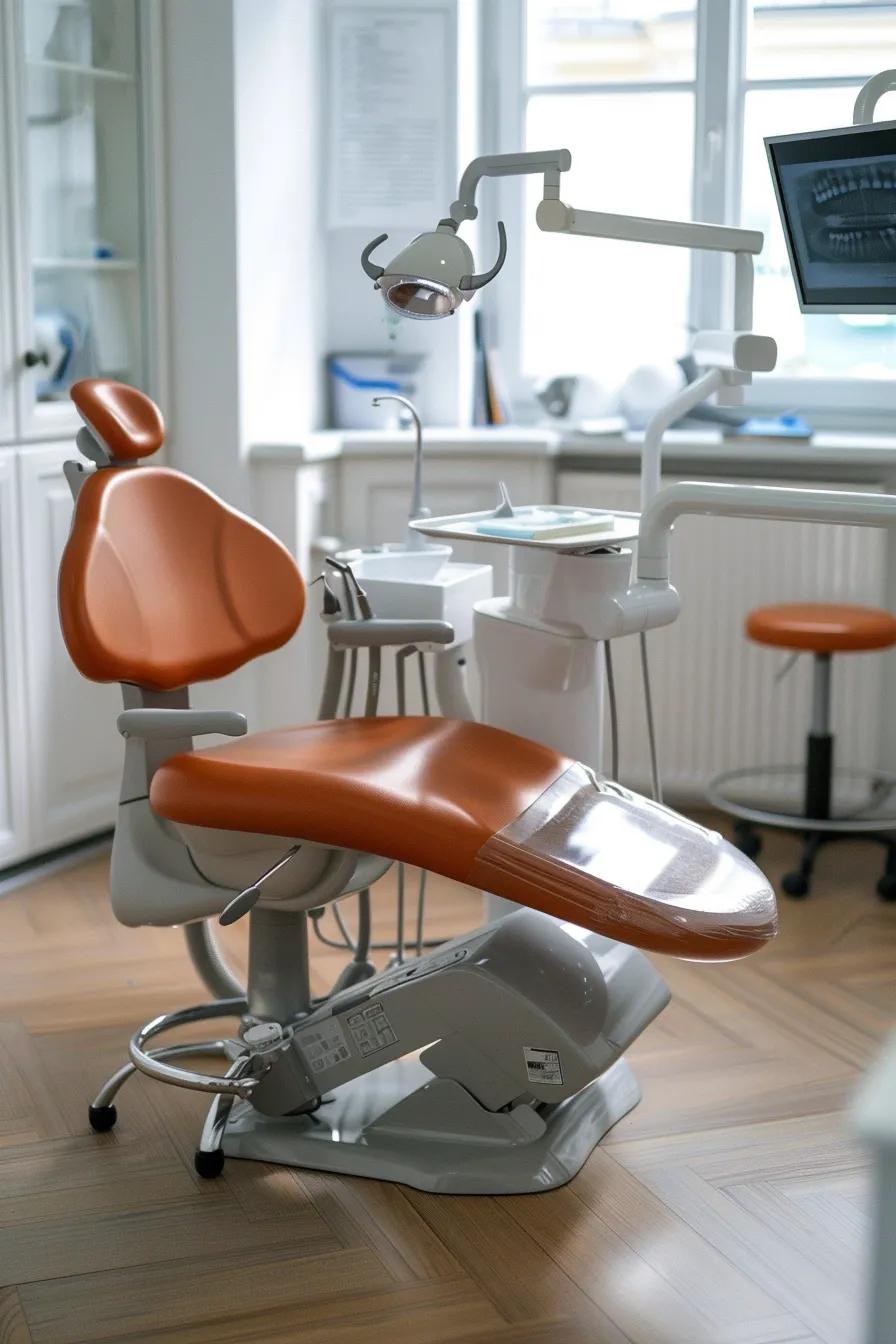
Transforming Healthcare with AI

AI Tactics to Attract Patients and Streamline Small Australian Clinics
When we talk about artificial intelligence (AI) in healthcare, we mean machine learning, natural language processing and predictive analytics applied across clinical, admin and marketing workflows to lift outcomes and save time. This guide shows how AI tools can help small dental, chiropractic and physiotherapy practices across Australia win new patients and tighten operations — without replacing clinician judgment. You’ll find concrete strategies for patient acquisition, practical clinical use-cases, steps to stay compliant with the Privacy Act 1988, and a pragmatic pilot roadmap to choose vendors and measure ROI. The advice reflects current research perspectives from 2025 and links to common integration points like EHRs and telehealth, with actionable lists and comparison tables so small practice owners can evaluate options confidently.
How can AI help small Australian practices attract more patients?

AI boosts patient acquisition by combining prediction, automation and continuous optimisation to find higher‑intent prospects and convert them into booked appointments. Typical mechanisms include lead scoring from appointment histories and local demographics, programmatic ad optimisation that adjusts bids and creatives in real time, and conversational AI that handles triage and bookings 24/7. The benefits are measurable: lower cost per lead, higher booking rates and better lifetime patient value when outreach is personalised and timely. Most practices get the fastest wins from low‑risk, high‑return tactics like chat-based booking flows and predictive remarketing — while retaining clinician oversight over intake. Below we list the core acquisition strategies and the metrics you should track.
Primary AI-driven patient acquisition approaches and their direct benefits:
- Predictive lead scoring: Pinpoints high‑propensity groups to cut wasted ad spend and lift conversion rates.
- Conversational AI (chatbots / virtual reception): Handles triage and bookings instantly, so you capture online leads outside business hours.
- Automated campaign optimisation: Lets machine learning shift budget to top-performing channels and creatives, lowering acquisition costs.
- Personalised remarketing and email automation: Re-engages warm prospects with tailored messaging to increase bookings and recalls.
These tactics map to measurable KPIs — conversion rate, cost per lead (CPL) and patient lifetime value (LTV) — which you should monitor continuously to confirm ROI and guide optimisations.
Intro to table: The table below compares common AI marketing approaches, practical characteristics and the outcomes small practices can expect.
| Approach | Characteristic | Expected Outcome |
|---|---|---|
| Predictive targeting | Combines practice data with local demographics | Higher conversion rate; lower CPL |
| Conversational AI | 24/7 triage and booking automation | Faster response times; increased bookings |
| Programmatic ad optimisation | Real-time bidding and creative testing | Improved ROI on ad spend |
| Personalised outreach | Segmented messages based on behaviour | Better retention and higher treatment acceptance |
Combining targeted scoring with automated conversational flows usually delivers the biggest uplift in new patient bookings for small practices. Next we explain how these marketing strategies fit into clinic workflows.
What AI-driven marketing tactics bring in new patients?
AI-driven marketing starts with data mapping — linking bookings, referral sources and local market signals to build models that score prospects. With predictive analytics you can run campaigns aimed at people most likely to book a specific service (for example a new patient dental check or physio assessment), which improves conversion efficiency. Chatbots remove friction for patients searching outside office hours and can sync with practice management systems to confirm or reschedule appointments, cutting no‑shows. Personalised remarketing and automated emails keep patients engaged through the care journey with treatment‑specific content, recall reminders and outcome stories that boost treatment acceptance and retention.
Typical implementation follows a simple workflow: ingest patient and anonymised local data → train a predictive model → deploy a conversational booking widget → measure CPL and conversion and iterate. We cover practical pilot steps for clinicians later in the guide.
How does AI improve patient engagement in dental, chiropractic and physiotherapy clinics?
AI keeps patients connected between visits with personalised, timely communications and remote monitoring that support adherence to care plans. In dental practices, automated recall and tailored treatment messages increase preventive care attendance and elective procedure uptake. In chiropractic clinics, movement‑tracking reminders and exercise prompts help patients stick with home programs and improve retention. Physiotherapy practices use tele‑rehab platforms and automated check‑ins to monitor progress and nudge patients toward their exercises, raising outcomes and satisfaction. These solutions should integrate with scheduling and EHR systems so messaging stays accurate and clinically relevant.
Measure engagement with open and response rates, appointment attendance and adherence scores. The next section dives into dental AI tools, where engagement wins also support clinical decision‑making.
What key AI tools are changing dental practices in Australia?

AI is reshaping dentistry through image analysis, decision‑support, admin automation and personalised patient communications — all of which raise diagnostic consistency and free clinician time. Imaging models flag caries, periodontal changes and anomalies on radiographs and CBCT to help clinicians spot issues earlier. AI medical scribes and scheduling tools cut documentation time and reduce no‑shows. Patient engagement platforms personalise recall and treatment acceptance workflows, helping consults convert into completed care. Together these tools deliver clinical and business value for small dental teams.
- Imaging analysis and diagnostics: Helps detect caries and pathology earlier for evidence‑based planning.
- AI medical scribes and notes automation: Cuts clinician documentation time and improves billing accuracy.
- Smart scheduling and recall automation: Lowers no‑show rates and lifts chair utilisation.
- Personalised patient messaging: Improves treatment acceptance and follow‑up adherence.
These solutions can link into practice management systems and imaging suites while keeping clinicians in control of final decisions. The table below compares dental AI tool categories, typical attributes and the time or diagnostic gains you might see.
Intro to table: The table below compares dental AI tool categories, typical attributes, and the expected time or diagnostic benefits they deliver.
| Tool Category | Primary Attribute | Typical Benefit |
|---|---|---|
| Imaging analysis | Pattern recognition on radiographs/CBCT | Earlier lesion detection; diagnostic consistency |
| AI scribes | NLP transcripts to structured notes | 10–30 minutes saved per consult (varies by workflow) |
| Scheduling optimisation | Demand forecasting and reminder automation | Reduced no-shows; improved utilisation |
| Patient engagement platforms | Personalised recall and messaging | Higher treatment acceptance and recall rates |
Clinical augmentation plus admin automation frees clinician hours and creates revenue opportunities. Milkcan Marketing helps dental clinics align AI‑led campaigns with clinical workflows to maximise new patient acquisition through targeted funnels and patient journeys.
How is AI changing chiropractic clinics with diagnostic and operational tools?
AI is entering chiropractic care via motion analysis, sensor analytics and documentation automation to support objective assessment and streamline back‑office work. Computer vision and wearable sensors quantify posture, gait and movement patterns to guide diagnosis and tailor exercise prescriptions. Treatment engines can suggest exercise progressions based on objective metrics and patient feedback, improving personalised care. Documentation tools convert consultations into structured SOAP notes and help with billing reconciliation, giving clinicians more hands‑on time.
Key chiropractic AI capabilities and operational gains include:
- Computer vision posture and movement analysis: Provides objective baselines and progress markers to guide manual therapy.
- Sensor-based remote monitoring: Tracks at‑home adherence and enables data‑driven adjustments.
- Documentation automation: Turns consults into structured notes and suggests billing codes for accuracy.
These tools sharpen diagnostic clarity, support measurable outcomes and reduce admin load. The next subsection outlines diagnostic and treatment‑planning tools used in everyday workflows.
What AI tools support chiropractic diagnosis and treatment planning?
Chiropractic diagnosis with AI typically combines computer vision to analyse movement and wearable sensors that capture kinematic data — range of motion, asymmetries and compensations. Machine learning models flag deviations from expected patterns and highlight areas for targeted intervention, helping clinicians prioritise manual therapy and bespoke exercise plans. AI can propose progressive regimens that adapt to patient response, blending sensor metrics and patient‑reported outcomes to refine prescriptions over time. These tools augment clinician expertise by providing clear progress markers and reducing subjective variability.
Adopt these systems with a plan for sensor calibration, baseline testing and integration with outcome measures so the data leads to better decisions and patient results. The following subsection explains how AI eases documentation and billing in chiropractic workflows.
How does AI streamline chiropractic documentation and billing?
AI converts audio or text from consultations into structured SOAP notes via natural language processing, cutting manual entry and improving note completeness. Automated coding suggestions based on documented findings help reconcile billing codes and reduce claim errors. Practices commonly reclaim time per consult that can be used for patient care or extra appointments, improving revenue density. Integration with practice management and billing systems keeps scheduling, notes and invoicing aligned and reduces administrative friction.
To implement successfully, run small pilots to measure time savings, check coding accuracy and keep clinicians as the final sign‑off to preserve clinical accountability. The next major section covers physiotherapy, where remote monitoring and personalised programs deliver big wins.
How does AI help physiotherapy with assessment and remote monitoring?
AI adds objective movement assessment, personalised progression and scalable remote monitoring to physiotherapy, boosting adherence and outcomes. Computer vision and wearable devices capture range of motion and exercise quality while ML models generate progression plans that adapt to patient performance. Tele‑rehab platforms provide coaching cues and automated follow‑ups, improving adherence and letting clinicians focus on patients who need in‑person care. Admin automation captures outcome measures and fills notes, lowering documentation burden so clinicians can spend more time on high‑value care.
These capabilities produce clearer clinical outcomes and higher patient retention by making rehab more engaging and data‑driven. Key physiotherapy AI features and their practical impacts include:
- Objective movement analysis: Improves assessment precision and tracks measurable progress.
- AI-generated personalised exercise plans: Adjusts difficulty and volume based on performance data.
- Automated follow-up and adherence nudges: Raises completion rates for home programs.
These features need careful workflow design so sensor data and tele‑rehab outputs feed outcome measurement and billing systems for continuity of care. The next subsection looks at the specific technologies that support assessment and personalisation.
What technologies support physiotherapy assessment and personalised treatment?
Physio tech stacks commonly include computer vision that analyses exercise video, inertial sensors that record movement kinematics, and predictive models that map performance to progression rules. Together they quantify movement quality and create clinician‑reviewed progressions tailored to recovery stage and pain levels. Linking these systems to outcome scales and EHRs makes progress easy to track and report in structured notes, and supports remote reassessment without a clinic visit.
Clinicians should validate algorithms against known outcome measures and protect patient privacy during data capture. The next subsection covers documentation automation and follow‑up to boost retention and outcomes.
How can AI automate physiotherapy documentation and improve follow-up?
AI transcribes sessions into structured notes and populates standardised outcome measures, saving clinician time and improving record consistency. Automated follow‑up sequences — reminders and exercise check‑ins — increase adherence and allow early intervention when progress stalls. AI‑generated templates can include objective sensor metrics so outcomes are clearer for clinicians and patients. When tied into practice management systems these automations reduce missed billing and support smoother care pathways.
Pilot projects usually focus on a single use‑case (for example remote ACL rehab) before scaling, letting teams measure adherence improvements and admin time saved. Next we cover the legal and ethical basics for adopting AI in Australian healthcare.
What ethical, legal and data privacy issues should small Australian practices consider?
Using AI in Australian healthcare means paying attention to the Privacy Act 1988, data sovereignty, informed consent and algorithmic fairness so patients and regulators retain trust. Practices should map how health information flows through AI tools, check where data is stored and whether it’s transferred overseas, and confirm vendor security. Clinician oversight is critical to spot bias and ensure decision‑support outputs are validated and auditable. A good implementation includes vendor due diligence, clear patient communication about AI use, and incident response procedures.
Here’s a short checklist to follow when evaluating AI solutions.
- Data mapping and vendor due diligence: Understand where patient data is stored and how vendors protect it.
- Informed consent and transparency: Tell patients when AI is used and get explicit agreement for identifiable processing.
- Bias testing and human oversight: Audit model performance across groups and make sure clinicians retain final decision authority.
These steps lower regulatory risk and preserve patient trust while allowing responsible AI use. The table below summarises compliance areas, requirements and recommended actions for small practices.
| Compliance Area | Requirement | Recommended Action |
|---|---|---|
| Privacy Act 1988 | Protect personal health information; manage cross-border transfers | Conduct data mapping; update privacy notices and vendor contracts |
| Informed consent | Transparency when using AI-influenced care pathways | Implement clear consent language and patient-facing explanations |
| Algorithmic bias | Mitigate unfair outcomes across groups | Perform bias audits; monitor performance and document clinician overrides |
Compliance is both contractual and operational. Milkcan Marketing recommends a compliance‑first approach to marketing and data handling, and we can help practices choose privacy‑aware vendors and patient acquisition strategies if you want support.
How does the Privacy Act 1988 affect AI use in small practices?
The Privacy Act 1988 sets rules for how personal health information is collected, stored, used and disclosed in Australia — and that matters for AI systems that process health data. Practices must check that AI vendors meet Australian privacy principles, know whether data stays in Australia or goes offshore, and have breach response plans. Practical steps include mapping data flows, updating privacy policies to disclose AI processing and adding contract clauses that require vendor security and incident notification. Where possible, apply data minimisation and anonymisation to lower regulatory exposure.
Doing this not only helps compliance but also improves patient confidence in digital care. The following subsection outlines steps to spot and reduce AI bias and get informed consent right.
What are best practices to limit AI bias and secure informed consent?
To limit AI bias, run regular performance audits across demographic groups, watch for disparate outcomes and log clinician overrides or corrections to model suggestions. Provide explainable summaries so clinicians and patients can understand why a model flagged a result. For consent, use plain‑language disclosures that explain when AI supports triage or assessment, and obtain explicit agreement for identifiable processing.
Keep governance records of model updates, validation tests and incident responses to ensure accountability. These practices protect patient rights and enable ethical adoption. Next we look at near‑term trends and practical readiness steps for practices preparing to adopt AI.
What’s the near‑term future of AI for small healthcare practices in Australia?
Over the next few years expect wider use of generative AI for documentation and patient comms, more accurate diagnostic models trained on diverse datasets, and tighter integration between EHRs, telehealth and engagement platforms. Routine admin tasks will become more automated, freeing clinician time, while predictive analytics improves triage and preventive care. Practices that prioritise governance, data hygiene and phased pilots will capture efficiency gains and better patient experiences without compromising safety.
A practical readiness roadmap for small practices:
- Audit systems and data flows: Know your baseline and spot high‑impact automation opportunities.
- Start with low‑risk pilots: Try conversational booking or AI scribes on non‑critical documentation first.
- Upskill staff: Train teams to interpret AI outputs, validate suggestions and escalate clinical concerns.
- Establish governance: Define roles, consent processes and monitoring protocols.
- Measure ROI: Track CPL, conversion rates, time saved per consult and clinical outcome changes.
Following these steps gives a pragmatic path to sustainable AI integration across care and operations. The final subsection offers operational advice and a call to action for practices ready to move forward.
How will AI continue to change patient care and practice efficiency?
AI will steadily improve diagnostic accuracy, enable more effective remote care and automate routine admin that currently eats clinician time. Better imaging and movement‑analysis models will support earlier intervention and clearer progress tracking, while generative AI will produce draft notes and patient communications clinicians can quickly review and sign off. Smarter scheduling and billing automation will lift capacity utilisation and reduce revenue leak. Together these advances will raise care quality and practice productivity.
Knowing these trends helps practices pick the next pilots to run — documentation automation, conversational booking or predictive recall — based on expected impact.
The final subsection below gives a five‑step readiness checklist to put these ideas into practice.
How can small practices prepare for ongoing AI adoption and growth?
Follow this five‑step readiness checklist to balance risk and reward: 1) audit systems and data flows to identify integration points; 2) pick a low‑risk pilot (for example an AI booking widget or scribe); 3) run the pilot with clear KPIs and clinician oversight; 4) train staff on new workflows and explainability; and 5) scale successful pilots while keeping governance and privacy controls in place. This sequence limits disruption and helps ensure ROI is measurable.
If you’re a practice owner interested in AI‑enabled patient acquisition assessments or pilot projects, Milkcan Marketing offers tailored, compliance‑focused AI marketing and efficiency solutions built for small healthcare teams. We prioritise transparent pricing, no lock‑in contracts and locally tailored strategies that link AI tactics to measurable patient growth.
Frequently Asked Questions
What are the risks of introducing AI in small healthcare practices?
AI introduces risks like data privacy exposure, algorithmic bias and over‑reliance on tools that aren’t perfect. Practices must meet obligations under the Privacy Act 1988 and guard against clinicians deferring judgment to an algorithm. Mitigate risk with thorough audits, ongoing clinician oversight, vendor checks and regular testing for bias and accuracy.
How can small practices keep patient data secure when using AI?
Keep data safe by requiring encryption, secure storage and strict access controls from vendors. Run regular vendor audits for compliance with Australian privacy rules and set internal protocols for data handling and informed consent. Train staff on security best practices and be transparent with patients about how their information is used.
What role should clinicians play when implementing AI?
Clinicians must stay central: they should review AI suggestions, validate outputs and retain final decision authority. Involving clinicians in design and evaluation improves tool fit with workflows and preserves clinical accountability and patient trust.
How should a practice measure AI integration success?
Track KPIs like conversion rate, patient acquisition cost, time saved on admin tasks and relevant clinical outcomes. Use surveys or focus groups for qualitative feedback and review metrics regularly to refine deployments and prove ROI.
What training do staff need when adopting AI?
Train staff to use tools, interpret outputs and integrate AI into workflows. Cover privacy, security and the limits of AI so teams know when to escalate. Ongoing refreshers keep skills current as tools evolve.
What future trends should small practices watch?
Look for advances in generative AI for notes and patient comms, stronger diagnostic models and deeper EHR/telehealth integration. Predictive analytics will increasingly personalise care and preventive outreach. Practices that adapt early with governance in place will be better positioned to capture the benefits.
Conclusion
AI can deliver real, practical gains for small healthcare practices in Australia — more patients, smoother operations and less time on admin. Used responsibly, AI tools help you engage patients more effectively while staying compliant with privacy rules. If you’re ready to explore tailored AI solutions, Milkcan Marketing can help you plan pilots, pick vendors and link AI-driven acquisition to measurable practice growth. Reach out to explore how we can support your next steps.