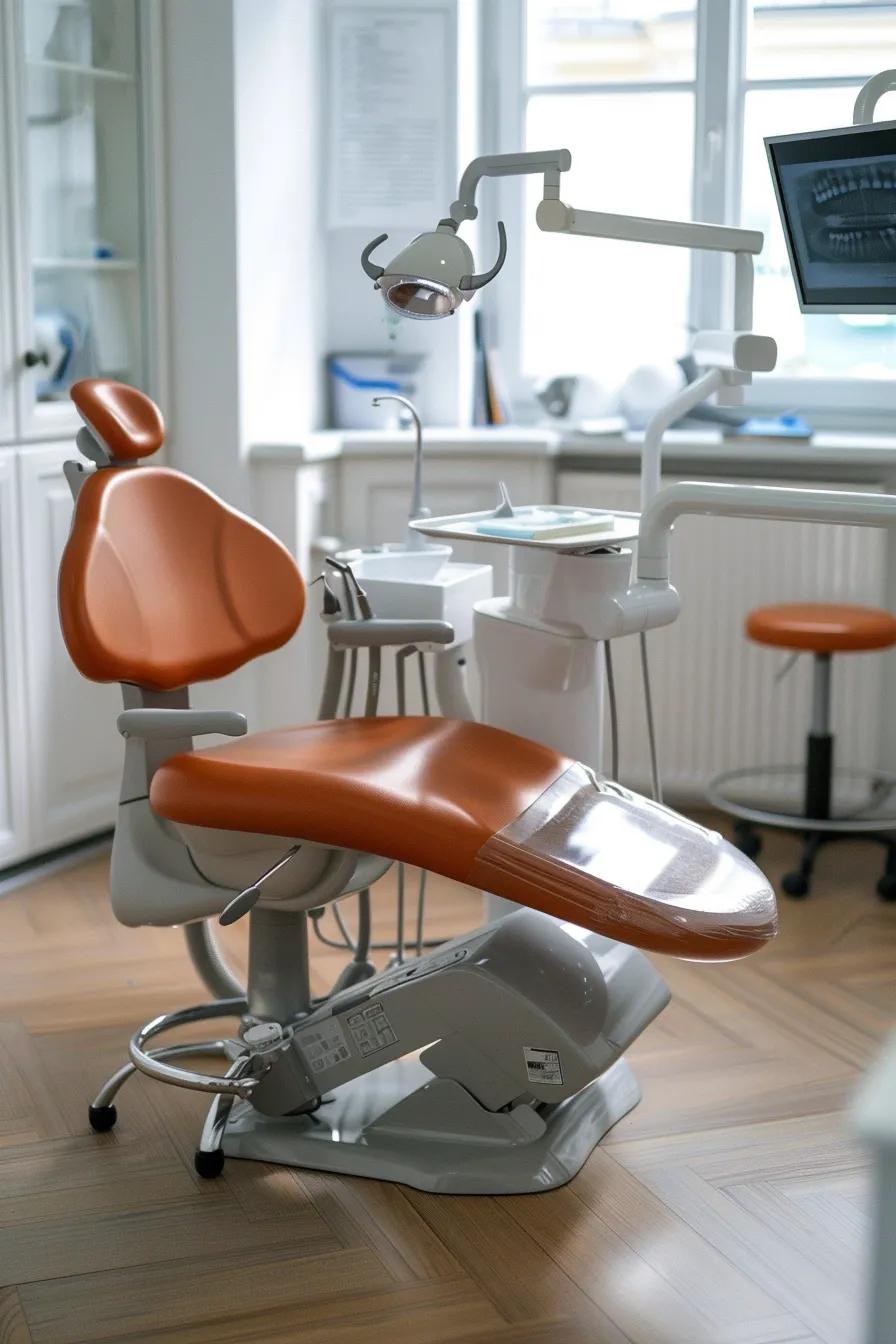
Common SEO Mistakes for Dental Practices: How to Attract More Patients
Dental practices often find themselves playing catch-up online, missing out on new patient enquiries and revenue because they’ve overlooked crucial SEO fundamentals and made a few technical slip-ups. This guide dives into the most common mistakes dental clinics make with their SEO, explains exactly why these errors are hurting your rankings and your reputation, and offers practical, expert solutions from Milkcan Marketing to turn your website into a patient-generating powerhouse. We’ll walk you through five key areas:
- Why SEO is a game-changer for Australian dentists and what the basics involve
- Local SEO blunders that are shrinking your community reach
- Technical SEO faux pas that are annoying search engines and patients alike
- Content and on-page slip-ups that are weakening your authority
- Off-page and reputation missteps that are eroding patient trust
Each section kicks off with a clear explanation, explores how the mistake impacts your practice, and highlights the tangible benefits of getting it right – equipping you with the know-how to attract more patients and boost your ROI.
Why SEO is Absolutely Essential for Dental Practices in Australia
SEO for dental practices is all about making your website and online listings shine so you appear right at the top of search results. This means more visibility, more engagement, and ultimately, more appointments booked. In Australia, where a whopping 97% of patients do their homework online before booking, a sharp SEO strategy ensures you’re found for searches like “dentist near me” and “emergency dental clinic,” bringing in the right kind of traffic and new patients.
A well-oiled SEO machine helps you achieve three main goals: become easily discoverable in your local area, build a strong online authority, and see a measurable increase in new patients. With Google prioritising mobile searches and local map results, dentists who nail their on-page optimisation, keyword research, and reputation management are setting themselves up for a steady flow of enquiries.
How Local SEO Directly Impacts Patient Acquisition for Dentists
Local SEO is your secret weapon for getting your practice front and centre in Google’s local map pack – that prime real estate at the top of search results for queries like “Melbourne dental clinic.” By optimising your Google Business Profile and weaving location-specific keywords into your website content, you dramatically boost your visibility to patients in your neighbourhood who are ready to book.
Key Local SEO drivers:
- Consistent Name, Address, Phone (NAP) details across directories build trust
- Smart use of geo-targeted keywords makes you more relevant for local searches
- A well-crafted business description and service list guides search engines
Together, these tactics lead to more eyes on your map listing, more calls from your profile, and more direction requests – all clear signs that you’re attracting new patients.
What Role Do Online Reviews Play in Dental SEO Success?
Online reviews are powerful social proof and a significant ranking factor. Google takes into account how many reviews you have, how recent they are, and your star rating when deciding where to place you in local search results. Encouraging happy patients to share their experiences on your Google Business Profile and other relevant directories not only boosts your reputation but also earns you favour with the algorithms, often leading to a double-digit jump in your local pack rankings.
Benefits driven by reviews:
- Higher star ratings mean more clicks from search results
- Fresh, detailed reviews build genuine patient trust
- Actively responding to reviews shows you care and are engaged
Factors Influencing Patient Choice in Dental Care from Online Reviews
A systematic review identified various factors influencing patients’ decisions regarding dental treatments, with the valence (positivity/negativity) of online reviews, the dentist’s bedside manner, and facility cleanliness significantly impacting consumer trust and choice. Additionally, over 90% of patients consult online reviews before selecting a healthcare provider.
This research perfectly backs up our point: online reviews are vital social proof and ranking signals that directly influence patient acquisition and build trust in your dental practice.
To truly harness this power, you need a solid process for asking for reviews, smart email follow-ups, and public responses that reinforce your authority to both patients and search engines.
Why Mobile Optimisation is Non-Negotiable for Dental Websites
Mobile optimisation means your website looks great, loads fast, and is easy to navigate on smartphones – and this is crucial, as over 60% of dental searches happen on mobile. Google’s mobile-first indexing means if your site isn’t up to scratch on mobile, it can negatively impact your rankings across all devices.
Mobile Optimization for Healthcare Websites
A 2023 study by Statista revealed that 61% of global web traffic originates from mobile devices, underscoring the critical need for mobile optimization. Search engines like Google prioritize mobile-friendly websites through mobile-first indexing, meaning that a site’s mobile version is primarily used for ranking purposes.
This finding strongly supports our argument that mobile optimisation is essential for dental practices aiming to maintain top search rankings and capture the majority of online dental searches.
Key mobile factors:
- Speedy page load times keep visitors from clicking away
- Easy-to-use, thumb-friendly layouts make booking forms a breeze
- Optimised images and streamlined code slash your bounce rates
Improving your mobile performance not only satisfies Google’s requirements but also directly enhances the user experience and boosts your conversion rates for online appointment requests.
The Biggest Local SEO Mistakes Dentists Are Making
Local SEO mistakes happen when practices skip or mess up the basics of online directory listings, making search engines doubt their authority and relevance in local searches. This common set of errors stops dentists from appearing in the coveted “three-pack” and leaves them trailing behind competitors who have their SEO sorted.
How Neglecting Your Google Business Profile Hurts Your Practice
If you haven’t claimed and optimised your Google Business Profile, you’re missing out on vital map pack visibility, patient calls, and appointment bookings directly from search results. Without complete hours, a full service list, and an accurate description, Google’s algorithm will favour listings that are more detailed.
Common oversights:
- Incomplete service categories
- Lack of high-quality photos of your practice
- No recent Google Posts
Tackling these points straight away will boost your local visibility, increase profile views, and drive more patient interactions.
What Happens When Your NAP Information Isn’t Consistent?
When your Name, Address, and Phone (NAP) details are inconsistent across different online directories, it confuses search engines and weakens your local ranking signals. Conflicting information makes your practice seem less legitimate. Patients also get frustrated when they call a number or go to an address that’s incorrect.
Main consequences:
- Lower rankings in the local pack
- Fewer clicks on your search listings
- Increased patient confusion and distrust in your brand
Ensuring your NAP details are identical across hundreds of directory listings sends strong trust signals and solidifies your local authority.
Why Failing to Target Local Keywords is a Common Dental SEO Blunder
Skipping over geo-modifiers – like suburb names and regional terms – in your title tags, meta descriptions, and website content means your site will only show up for generic searches. You’ll miss out on high-intent patient queries like “Bondi Junction cosmetic dentist.”
Effects of generic targeting:
- Attracting broad, non-local traffic with little intention to book
- Poor relevance for map pack algorithms
- Wasting marketing budget on unqualified leads
Weaving precise location terms into your content and metadata ensures you connect with patients who are actively searching in your service area.
Which Technical SEO Errors Are Most Damaging to Dental Websites?
Technical SEO errors prevent search engines from properly indexing your content and create a frustrating user experience. This leads to search engines downgrading your site’s authority and potential rankings. Dental websites need to adhere to best practices for speed, structure, and link integrity to maintain optimal search visibility.
How Do Slow Website Speed and Poor Mobile Responsiveness Hurt Your Rankings?
Slow-loading pages annoy users and lead to higher bounce rates, which signals to search engines that your site isn’t relevant, resulting in ranking penalties. Websites that take longer than three seconds to load typically lose half their visitors, directly impacting appointment form completions and the number of enquiries you receive.
The Impact of Page Load Speed on User Engagement and Bounce Rate
Research indicates that page load speed significantly affects user behavior and search engine rankings. A Google study from 2017 (updated 2018) found that page load speed increases bounce rate by 123%, with users often abandoning websites that take longer than three seconds to load.
This finding directly reinforces our point: slow website speed leads to higher bounce rates and diminished relevance, ultimately impacting patient acquisition.
Performance comparison:
| Page Component | Impact of Delay | Recommended Fix |
|---|---|---|
| Initial Load Time | +80% bounce rate on 3s+ | Minify CSS/JS, enable compression |
| Image Size | 50% slower load | Use WebP and lazy loading |
| Render-blocking Scripts | Inhibited LCP score | Defer or async scripts |
Improving these metrics not only boosts user engagement but also positions your site for higher organic rankings under Google’s Core Web Vitals guidelines.
What Website Structure and Crawlability Issues Should Dentists Steer Clear Of?
A confusing site structure and a missing XML sitemap can prevent search engines from finding all your service pages, limiting how deeply they can crawl and index your site. Practices often bury important service pages under multiple clicks or use vague URLs, which reduces your site’s relevance for search queries.
Typical structure faults:
- Orphaned pages with no internal links
- Deeply nested service content
- Broken site navigation menus
Implementing a clear hierarchy, easy-to-follow breadcrumb trails, and a comprehensive sitemap ensures that both users and search engine crawlers can easily find and index your most important content.
How Do Broken Links and 404 Errors Affect Dental SEO?
Broken internal or external links create crawl errors and lead to a poor user experience. This signals neglect to search engines and damages your site’s perceived quality. These errors disrupt patient journeys, resulting in lost enquiries and diminished trust.
Key consequences:
- Wasted crawl budget
- Negative user signals (higher bounce rates)
- Potential indexing problems for orphaned pages
Regularly checking your links and promptly fixing or redirecting 404 pages preserves link equity and ensures all your service information remains accessible.
What Content and On-Page SEO Mistakes Are Common for Dental Practices?
On-page errors occur when content isn’t unique, is stuffed with keywords, or fails to address patient concerns, leading to short visit durations and reduced authority. Dental websites need to strike a balance between informative, patient-focused copy and smart keyword usage to rank effectively.
Why Is Duplicate or Low-Quality Content Bad for Dental SEO?
Using the same service descriptions or generic content across multiple pages erodes trust signals and can lead to algorithmic penalties, as search engines favour unique, valuable content. Patients looking for specialised treatments expect detailed, practice-specific information.
Impacts of duplication:
- Lower page authority
- Increased risk of keyword cannibalisation
- Poor user engagement metrics
Creating unique descriptions for each service, enriched with patient FAQs and what makes your practice special, drives both relevance and conversions.
How Do Keyword Stuffing and Irrelevant Keywords Harm Your Website?
Overloading pages with target keywords in an unnatural way can trigger search engine penalties and make your content unreadable, putting off potential patients. Using irrelevant or overly generic terms also dilutes your focus and confuses search engine algorithms.
Risks of stuffing:
- Algorithmic de-ranking due to spam signals
- Lower readability and patient trust
- Misalignment with what users are actually searching for
Adopting a semantic approach, using related terms and natural language, ensures topical depth and maintains a positive user experience.
What Makes Content Engaging and Informative for Dental Patients?
Engaging dental content answers common patient questions, uses clear headings, and includes visuals to help patients make informed decisions. Educational blog posts, detailed treatment overviews, and before-and-after galleries showcase your expertise and build trust.
Core elements of patient-centric content:
- Clear, empathetic explanations of procedures
- Real patient stories or anonymised case studies
- Visual aids and step-by-step guides
This type of content keeps visitors on your page longer, reduces bounce rates, and positions your practice as a trusted authority in community health.
How Do Off-Page SEO and Reputation Management Mistakes Affect Dental Practices?
Off-page SEO and reputation signals – like backlinks, social media engagement, and third-party reviews – amplify your website’s authority and influence patient trust in local searches. Ignoring these external factors limits your organic growth and patient referrals.
Why Is Ignoring Online Reviews and Testimonials a Major Error?
If you’re not actively asking for and showcasing patient testimonials, you’re missing out on a key trust signal that both search engines and potential patients rely on when choosing a dentist. Reviews also help populate rich snippets, improving your listing’s visibility and click-through rates.
Off-page impact of reviews:
- Reduced eligibility for rich snippets
- Lower priority in the local pack
- Fewer organic referral leads
A systematic process for generating reviews cultivates positive feedback and strengthens both your reputation and your search rankings.
How Does a Weak Backlink Profile Limit Your Dental Website’s Authority?
A backlink profile with few high-quality links from reputable health-related sites or local directories undermines your domain authority, making it harder to compete for competitive keywords. Low-quality links can also have negative SEO consequences.
Backlink profile risks:
- Lower domain trust scores
- Reduced potential for keyword rankings
- Increased vulnerability to negative SEO attacks
Earning links that are contextually relevant – such as guest posts on dental association websites or local sponsorship listings – boosts your authority and drives referral traffic.
What Are the Risks of Neglecting Social Media Engagement for Dentists?
A quiet social media presence means missed opportunities for patient interaction, brand exposure, and shareable content that can generate natural backlinks. Platforms like Facebook and Instagram also act as secondary search channels for local services.
Social media downsides:
- Missed opportunities for patient testimonials and referrals
- Reduced brand recognition within local communities
- Fewer chances to amplify your content
Regularly sharing educational posts, practice updates, and patient stories fosters engagement and supports your off-page SEO efforts.
How Can Milkcan Marketing Help Dental Practices Conquer SEO Challenges?
Milkcan Marketing offers specialised dental SEO services that combine in-depth technical audits, content optimisation, and local reputation management to fix common issues and drive consistent patient growth. Our proven methods blend data-driven analysis with creative content strategies, ensuring practices rank for high-intent local searches and convert website visitors into appointments.
What Services Does Milkcan Marketing Provide to Fix Dental SEO Pitfalls?
| Service | Key Feature | Benefit |
|---|---|---|
| SEO Audit | Thorough crawl and technical analysis | Pinpoints hidden issues and prioritises fixes |
| Local SEO | GBP optimisation and citation management | Boosts map pack visibility and local rankings |
| Content Strategy | Patient-focused blog and landing pages | Enhances engagement and guides treatment decisions |
| Link Building | Outreach to dental associations and local partners | Improves domain authority and referral traffic |
| Conversion Optimisation | UX and mobile enhancements | Increases appointment form submissions |
How Do SEO Audits Identify and Resolve Common Dental SEO Errors?
An SEO audit systematically uncovers technical glitches, content gaps, and off-page weaknesses by analysing site speed, crawl errors, keyword coverage, and backlink profiles. Audits prioritise actions based on their potential impact, guiding practices through step-by-step solutions that remove ranking barriers and improve user experience.
Audit process steps:
- Crawl and indexation review
- Core Web Vitals and performance benchmarking
- Keyword mapping and content gap analysis
- Backlink quality assessment
Implementing the recommendations from an audit immediately restores your site’s health and sets it up for sustained growth.
What Results Can Dental Practices Expect from Better SEO Strategies?
Dental practices that invest in robust SEO initiatives with Milkcan Marketing typically experience:
- A 30-50% uplift in local map pack appearances
- A 25-40% increase in organic website traffic
- A 20-35% growth in online appointment requests
- Enhanced patient trust through higher review ratings
These outcomes translate directly into a consistent stream of new patient enquiries month after month and a stronger competitive edge in your local market.
What Are the Best Practices for Maintaining and Monitoring Dental SEO Performance?
Ongoing maintenance and monitoring are key to protecting your SEO gains and ensuring continuous improvement, adapting to algorithm changes and evolving patient search habits.
How Should Dentists Track Local SEO and Google Business Profile Metrics?
Practices should regularly check their Google Business Profile insights – looking at profile views, search queries, call clicks, and direction requests – to understand their local performance. Tracking these metrics over time reveals the impact of your optimisation efforts and helps you refine your strategy.
Key GBP metrics:
- Total searches and map views
- Customer actions (calls, website clicks, directions)
- Review count and response rate
Monitoring these indicators guides ongoing improvements in your local tactics.
What Tools Help Monitor Website Speed, Crawl Errors, and Content Quality?
Use a combination of platforms to keep your technical and content health in check:
- Google PageSpeed Insights for performance diagnostics
- Google Search Console for crawl error audits and index coverage checks
- SEMrush or Ahrefs for keyword tracking and backlink monitoring
- Content analysis tools for plagiarism checks and readability scores
Consistent use of these tools helps you catch issues early and ensures you’re staying compliant with evolving SEO best practices.
How Often Should Dental SEO Content and Profiles Be Updated?
Regular updates keep your content relevant and signal to search engines that your practice is active and authoritative. A recommended schedule includes:
- Quarterly content refreshes for service pages and blog posts
- Monthly updates to your GBP with new posts, offers, and photos
- Bi-annual technical audits to catch any emerging issues
Sticking to this schedule helps maintain high rankings, user engagement, and a steady flow of leads over time.
Maintaining a strong SEO program built on technical excellence, patient-focused content, and proactive reputation management positions dental practices for sustained growth and a competitive advantage. By addressing these common pitfalls and consistently applying best practices, you can secure top search visibility, build patient trust, and maximise your practice’s revenue.