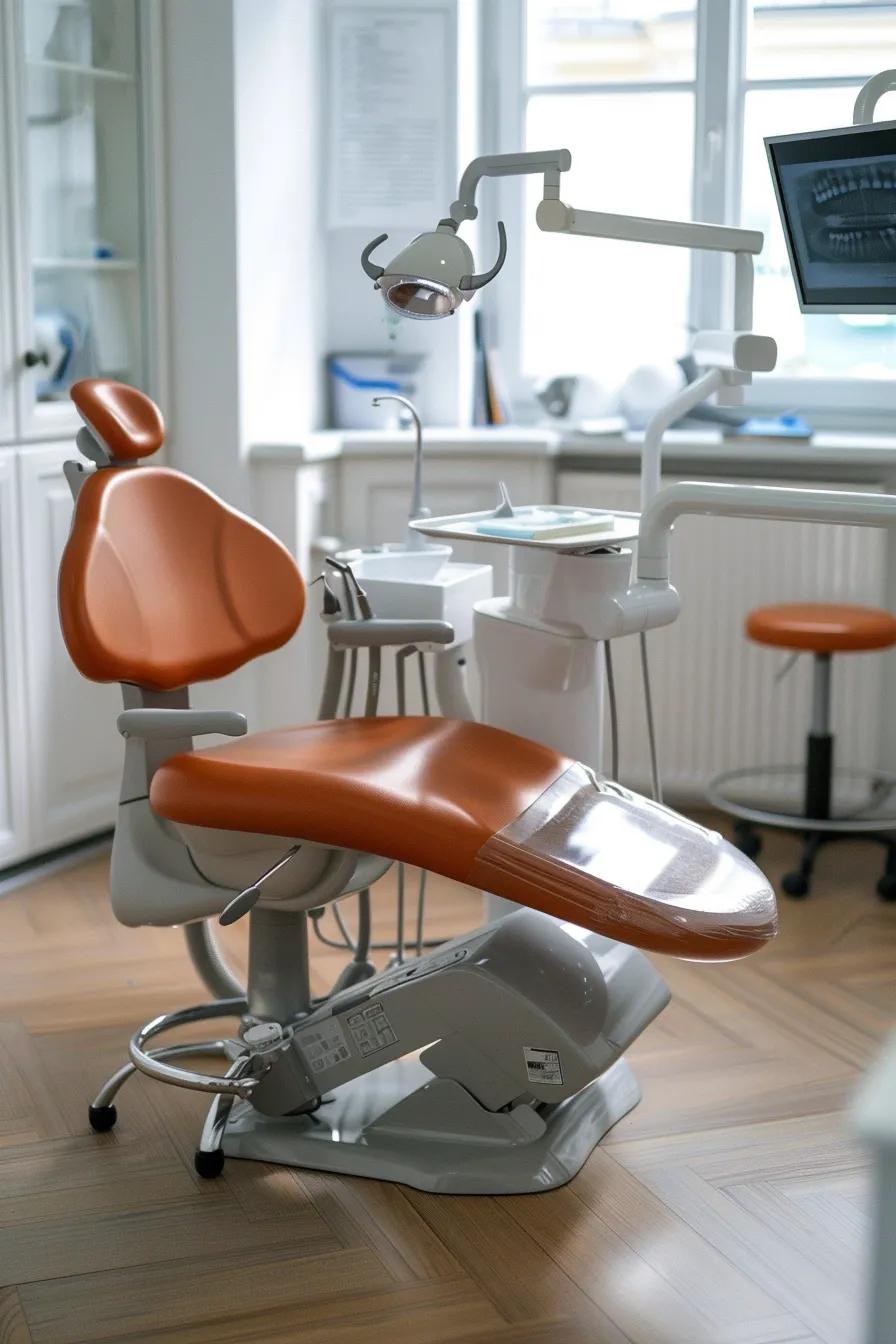
Creating a Positive Patient Journey

Practical Strategies to Enhance Patient Experience and Satisfaction
The patient journey covers every interaction someone has with your clinic — from first discovery to post-treatment follow-up. When you tighten that flow you improve patient satisfaction and drive more new‑patient enquiries. This guide shows small dental, chiropractic and physiotherapy practice owners how to map each stage of the patient lifecycle, remove common points of friction and use realistic digital marketing and operational steps to lift measurable patient experience outcomes. You’ll get the core stages of the journey, low-resource Local SEO and Google Business Profile (GBP) tactics to attract local patients, communication and onboarding workflows that cut no‑shows, reputation strategies that build trust, retention approaches that raise lifetime value, and the KPIs and feedback loops you need to track progress. Practical checklists, EAV mapping tables and step‑by‑step recommendations are included so clinic owners can pick priorities without large teams or big budgets. Telehealth, online booking, feedback systems and content marketing are woven through the plan so the patient experience stays coherent from start to finish.
What Are the Key Stages of the Patient Journey in Healthcare?
The patient journey typically falls into five clear stages — Awareness, Consideration, Access/Booking, Care/Treatment and Post‑Care/Follow‑up — each with its own touchpoints and conversion moments. Knowing these stages makes it easier to spot where patients drop out, why they encounter friction and which marketing or operational changes will move the needle on bookings and satisfaction. Mapping stages to touchpoints helps clinics prioritise quick wins while planning longer‑term improvements like content hubs or telehealth pathways. The sections below show how to map the journey and pick the highest‑impact touchpoints to improve both experience and measurable practice KPIs.
How Does Patient Journey Mapping Enhance Healthcare Practices?
Patient journey mapping is a simple, structured way to record every interaction a patient has with your clinic and surface pain points, decision drivers and moments that matter. Start by defining target patient personas, list every touchpoint from search to follow‑up, gather existing feedback and observations, then visualise the flow to reveal friction. Mapping exposes concrete opportunities — for example, unclear booking instructions that kill conversion — and supports low‑cost experiments like a simplified booking page or targeted GBP post. By linking each pain point to a specific action and metric, journey mapping turns qualitative insight into a measurable improvement plan that reduces cancellations and improves satisfaction.
What Are Common Patient Touchpoints and Pain Points?
Common touchpoints include search and ads, your Google Business Profile, the clinic website, phone and messaging channels, the reception experience, the treatment encounter and follow‑up communications. Typical pain points are discovery friction, inconsistent hours or service listings online, confusing booking paths, long waiting times and weak post‑care communication — each of which can lose bookings or lower satisfaction. Fast tactical fixes include completing GBP service fields, adding clear online booking links, publishing a concise “what to expect” page and setting automated reminders to cut no‑shows. Addressing touchpoints in the right order reduces friction and gives you measurable conversion and satisfaction gains.
Different stages of the patient journey need different interventions; the table below summarises actions clinics can take to prioritise practical changes.
The table below maps each patient stage to primary touchpoints and suggested marketing or operational actions to address common pain points.
| Stage | Primary Touchpoints | Marketing / Operational Actions |
|---|---|---|
| Awareness | Search results, local ads, social | Local SEO, targeted local ads, service‑specific landing pages |
| Consideration | GBP, reviews, website content | GBP optimisation, reputation management, educational content |
| Access / Booking | Phone, online booking, booking links | Simplify online booking, enable calendar integration, show clear fees |
| Care / Treatment | Reception, clinician interaction, waiting room | Staff scripts, standardised appointment flows, wait‑time updates |
| Post‑Care / Follow‑up | Email/SMS, telehealth, surveys | Automated follow‑ups, CSAT/NPS surveys, clear care instructions |
This mapping helps practice owners identify which tools and processes stop the biggest leaks, so they can prioritise investment in channels that directly affect patient experience and new‑patient enquiries. Next we’ll look at how Local SEO and visibility fill the top of the funnel.
Many clinics ask how a marketing partner fits services to these stages. Milkcan Marketing — an Australia‑based digital agency for small dental and healthcare clinics — maps Local SEO and Profile Management to Awareness and Consideration, Reputation Management to trust building during Consideration, Content Marketing to education across Consideration and Post‑Care, and Analytics & Reporting to measure outcomes at every stage. For a practical start, a focused site and profile audit converts mapping into a short, prioritised action list.
How Can Local SEO and Online Visibility Attract More Patients?

Local SEO boosts your clinic’s visibility when people search with local intent, turning discoverability into calls and bookings by matching search intent with clear local signals. Key mechanisms are a well‑optimised Google Business Profile, consistent local citations, location‑specific website content and strong review signals that improve relevance for geo‑targeted searches. The outcome is better local ranking and more qualified enquiries, which you can track through GBP insights, call tracking and booking conversion rates.
Below are the most actionable Local SEO tactics small clinics can implement quickly with limited resources.
- Complete your Google Business Profile with accurate services, fresh photos and direct booking links to improve visibility in local packs.
- Keep name, address and phone (NAP) details consistent across major directories and listings to strengthen trust signals.
- Publish localised service pages and FAQs that answer intent‑driven queries like “dentist near me emergency” or “physio sports injury [suburb]”.
These quick wins usually increase local visibility and produce measurable rises in calls and booking clicks — key early KPIs for patient acquisition.
A concise checklist below summarises Local SEO quick wins and their outcomes.
- GBP completion: Better local pack visibility and higher click‑through rates.
- Consistent citations: Fewer mismatched signals and stronger local relevance.
- Localised pages: Closer match to search intent and improved organic conversions.
Completing these steps gives clinics immediate visibility gains and sets the stage for more advanced work like schema markup and local content campaigns. If you’d rather get expert eyes on it, a site audit and profile review will highlight priority fixes and local content opportunities — a practical next step toward measurable patient growth.
Why Is Local SEO Crucial for Dental and Healthcare Practices?
Local SEO matters because appointment‑driven healthcare searches are strongly local — users searching for local clinicians are often very close to booking. Search behaviour shows location qualifiers and “near me” queries frequently convert to calls and appointments, making Local SEO an efficient acquisition channel. For small dental, physiotherapy and chiropractic clinics, focusing on local intent typically delivers higher conversion than broader organic strategies because the decision window is short and location matters.
Targeted content and profile optimisation also build trust: service pages that describe common conditions and likely care pathways help consideration‑stage visitors become booked patients. For clinics operating within defined catchments, modest Local SEO investment can have a big effect on new‑patient volumes.
How Does Google Business Profile Optimisation Improve Patient Engagement?
A well‑optimised Google Business Profile removes friction between discovery and booking by showing patients exactly what they need to know: services, booking links, photos, opening hours and reviews. Optimisation steps include adding accurate service categories, uploading high‑quality photos of your clinic and team, enabling booking links or URL templates, publishing regular GBP posts and managing Q&A so common queries are answered publicly.
Each tweak has a clear role: photos build trust, booking links shorten the path to appointment, and fresh posts keep your profile active. Regularly soliciting and displaying reviews boosts engagement too — more reviews and better ratings increase clicks and calls. Track GBP metrics like calls, direction requests and profile views to see the direct acquisition impact of your profile work.
What Are Effective Patient Communication and Engagement Strategies?

Effective patient communication covers key moments: pre‑visit onboarding, confirmations and reminders, in‑clinic interactions and post‑visit follow‑up. Clear, empathetic messages reduce anxiety, cut no‑shows and boost perceived care quality. Good mechanisms include standardised onboarding flows, multi‑channel reminders, personalised messages and concise “what to expect” communications that set both clinical and administrative expectations.
- Send automated SMS and email confirmations with clear instructions and links to online forms.
- Provide brief pre‑visit guidance covering parking, arrival time and any insurance or COVID requirements.
- Personalise reminders and follow‑ups with the patient’s name and appointment context.
These communications translate into operational gains such as lower no‑show rates and higher same‑day attendance, while setting up better clinical encounters and improved satisfaction scores.
How Can Streamlined Patient Onboarding Improve Satisfaction?
Streamlined onboarding removes admin friction by collecting forms, consent and medical history before the appointment so clinicians can focus on care. Use online forms, secure portals and short pre‑visit education to reduce arrival delays and patient anxiety while improving session preparedness. An onboarding checklist that includes a welcome message, links to pre‑visit forms, parking and arrival instructions, and a short outline of the first appointment sets expectations and reduces calls to reception.
When onboarding is paired with timely reminders and a simple first‑visit pathway, clinics see smoother initial appointments and higher rebooking rates. Clear onboarding also supports telehealth by ensuring patients have the information and technical guidance they need ahead of a remote consult.
How Does Telehealth Integration Enhance the Patient Journey?
Telehealth improves access and convenience by offering consultations that don’t require in‑person attendance — ideal for triage, follow‑ups and some physio or chiro sessions. Integrating telehealth means communicating which appointment types suit remote care, choosing a secure platform, providing easy booking links and giving pre‑visit tech guidance so sessions run smoothly. Done right, telehealth reduces missed appointments, speeds time‑to‑care for urgent queries and raises satisfaction by offering flexible options.
To protect quality, define clinical criteria for telehealth, use a simple telehealth consent, and standardise follow‑up actions when a case needs escalation to in‑clinic care. These steps keep telehealth complementary to in‑person care and prevent fragmentation of the patient experience.
How Does Online Reputation Management Build Patient Trust?
Online reputation management builds trust by generating, displaying and responding to reviews and testimonials in a way that demonstrates clinical competence and patient‑centred care. The idea is straightforward: more reviews, considered responses and accessible case studies lower perceived risk and speed the move from consideration to booking. Clinics should adopt a repeatable review request system, respond promptly while respecting privacy, and use anonymised case studies to ethically illustrate outcomes.
Below are three reputation best practices clinics should prioritise to build trust quickly.
- Solicit reviews promptly: Ask for feedback soon after positive visits and give a simple link to leave a review.
- Respond publicly and professionally: Acknowledge feedback quickly, protect privacy and offer an offline follow‑up if needed.
- Use anonymised success stories: Publish short, de‑identified case studies that show outcomes and the care process without revealing personal details.
These steps not only lift online ratings but also create assets — testimonials and case studies — that help turn visitors into booked patients when used across your website and GBP.
Before the table below: it compares reputation tactics by action and expected KPI so owners can pick 1–2 tactics to start with and measure results.
| Reputation Tactic | Action | Expected Outcome / KPI |
|---|---|---|
| Review Solicitation | Post‑visit link via SMS/email | Increased review volume; higher GBP click‑through |
| Public Response | Timely, professional replies | Stronger trust signals; reduced negative impact |
| Testimonial Publishing | Anonymised patient stories on site | Higher conversion from consideration to booking |
This comparison helps owners choose tactics that balance effort and likely return; prioritising review solicitation and responses usually delivers the fastest gains in visibility and bookings.
What Are Best Practices for Gathering and Responding to Patient Reviews?
Collecting reviews should be simple and consistent: identify satisfied patients, ask for feedback within 48 hours and give a direct path to leave a review. Public responses should thank the patient, address concerns and offer offline remediation while never disclosing protected health information. Using response templates speeds the process and keeps messages compliant — a short public thank‑you followed by an invitation to discuss concerns privately is a good default.
An automated review flow reduces staff load and raises capture rates; track review volume and average rating as part of monthly performance checks. The next section explains how testimonials and anonymised case studies extend reputation benefits across your site and channels.
How Do Patient Testimonials and Case Studies Influence Credibility?
Testimonials and anonymised case studies turn clinical outcomes into relatable stories that lower perceived risk and show the pathway from problem to resolution. Short testimonials highlight satisfaction; longer, de‑identified case studies outline the clinical process, timeline and results in a way prospective patients can evaluate. When case studies show measurable outcomes — for example improved pain scores or recovery timelines without identifying details — they add clear credibility and set realistic expectations.
An anonymised example might show a clinic increasing booking enquiries after boosting review volume and publishing three de‑identified case studies; such examples make the link between reputation activity and measurable patient acquisition clear. If you prefer external help, reputation services can set up review solicitation workflows and response templates at scale while tracking KPIs.
What Strategies Improve Patient Retention and Loyalty in Medical Practices?
Retention and loyalty come from consistent post‑care follow‑up, ongoing education and timely reactivation outreach that remind patients of the value of continued care. Sequences of value‑driven communications, helpful content and recall campaigns reduce churn and lift lifetime value. The mechanisms that drive retention include reliable aftercare communication, educational content that reinforces clinical advice, and automated reminders for routine checks or maintenance visits.
- Automated follow‑up sequences after appointments that include care instructions and a short satisfaction survey.
- Educational content (blogs, condition guides, short videos) sent by email to support treatment plans.
- Recall campaigns and reactivation messages for lapsed patients with a clear next step.
These tactics scale with simple automation tools and can be measured through rebooking rates, churn reduction and improved CSAT or NPS scores.
How Can Post‑Treatment Follow‑Up Enhance Patient Loyalty?
A clear post‑treatment follow‑up cadence shows continuity of care and reduces complications while encouraging rebooking. A practical sequence might include a 48‑hour check‑in, a two‑week outcome check and a three‑month reminder for maintenance or reassessment; each message should be concise, personalised and include a clear next step. Automating these touches via SMS or email keeps them consistent without adding admin burden.
Well‑timed follow‑ups increase satisfaction, reduce urgent calls and create chances for cross‑sell or escalation when needed. Practices that measure rebooking and patient‑reported outcomes will see direct gains when follow‑ups are implemented and iterated.
Before the retention tactics table: the table helps owners pick retention initiatives based on effort and likely impact so limited resources are used where they count.
| Retention Tactic | Implementation Effort | Projected Impact on Retention |
|---|---|---|
| Automated follow‑ups | Low | Medium–High (reduces no‑shows, increases rebook) |
| Educational content series | Medium | Medium (improves engagement and adherence) |
| Recall campaigns | Low–Medium | High (reactivates lapsed patients) |
This table shows that simple automation often delivers strong retention gains for modest effort, helping clinics decide where to invest limited time and budget.
How Does Content Marketing Support Patient Education and Retention?
Content marketing supports retention by educating patients about conditions, care pathways and self‑management, positioning your clinic as a helpful, trusted resource. Effective formats include short blogs, explainer videos, downloadable care guides and FAQ pages that answer common patient questions and reduce pre‑visit worry. Share content via email, GBP posts and social to keep patients engaged between visits and encourage adherence to care plans.
Track engagement metrics such as time‑on‑page, downloads and email open rates to connect content activity with retention outcomes; well‑designed content programs routinely boost rebooking and patient loyalty over time.
How Can Healthcare Practices Measure and Monitor Patient Experience Improvements?
Measuring patient experience means choosing a small set of KPIs, collecting timely feedback and running a repeatable improvement loop that turns insight into action. Key indicators include Net Promoter Score (NPS), Customer Satisfaction (CSAT), booking conversion rate, no‑show rate and average time‑to‑book. Together these show how patients progress through the journey, where friction sits and whether your changes are working.
Below are the core KPIs practices should check monthly to monitor journey improvements and prioritise experiments.
- NPS/CSAT: Overall patient satisfaction and loyalty.
- Booking conversion rate: Share of website/profile visitors who book.
- No‑show rate: Operational reliability and reminder effectiveness.
These KPIs form the measurement backbone; the final section explains how to turn feedback into a continuous improvement loop.
What Key Performance Indicators Track Patient Satisfaction and Journey Success?
Each KPI has a role: NPS shows likelihood to recommend, CSAT measures transaction satisfaction, booking conversion tracks acquisition efficiency, no‑show rate affects utilisation and average time‑to‑book shows access speed. Measure more frequently for tactical metrics (booking conversion and no‑show weekly) and monthly for NPS so you can spot problems fast and see the effect of changes. Benchmarks vary by speciality — improvement over your baseline is the main aim — and even small percentage gains in conversion or reductions in no‑shows produce real revenue and satisfaction benefits.
Link KPIs to initiatives (for example, GBP optimisation → more booking clicks) so you can attribute gains and prioritise the next experiments.
How Can Feedback Loops Drive Continuous Patient Journey Optimisation?
A practical feedback loop looks like this: collect feedback (surveys, reviews, analytics) → analyse themes and root causes → prioritise experiments by impact and effort → implement changes (e.g. simplify booking flow) → monitor KPIs and iterate. Keep governance light: a monthly review of the top three themes, one prioritised experiment and clear ownership is enough for small clinics. Small experiments — A/B testing reminder wording or trimming an intake form — often deliver measurable improvements that scale.
Doing the loop consistently lets incremental gains compound, turning patient insight into sustained improvements in experience, retention and acquisition.
For practice owners ready to act, set up the measurement framework and feedback loop, then run focused local visibility and reputation experiments that boost both patient satisfaction and growth.
Milkcan Marketing helps small dental and healthcare practices turn measurement and improvement plans into actionable campaigns, combining Local SEO, Profile Management, Reputation Management, Content Marketing and Analytics & Reporting into a local growth strategy tailored to your area. If you’d like an expert assessment of your site, profile and patient‑experience analytics, request a free practice audit to find the highest‑priority wins and a simple roadmap to implement them.
Request a free practice audit
Frequently Asked Questions
What role does patient feedback play in improving healthcare services?
Patient feedback is essential — it shows what’s working and what isn’t from the patient’s perspective. Collect feedback through short surveys, online reviews and direct conversations to spot trends and prioritise fixes. Regular analysis helps clinics address pain points, set better expectations and improve both satisfaction and retention.
How can clinics effectively manage patient expectations during the journey?
Clear communication at every stage is key. Give patients straightforward pre‑visit instructions, transparent information about treatment steps and concise post‑care guidance. Use standard messages, automated reminders and educational content to set realistic expectations, lower anxiety and make patients feel informed and respected.
What are the benefits of using automated communication in patient engagement?
Automation ensures timely, consistent contact without overloading staff. Appointment reminders, follow‑ups and educational messages cut no‑shows, improve adherence and streamline admin. Automation frees your team to focus on care while keeping patients informed at the right moments.
How can clinics measure the effectiveness of their patient engagement strategies?
Measure outcomes with KPIs like patient satisfaction scores, attendance rates and review capture rates. Track these over time to see which tactics work. Regular reviews of the data identify wins and areas to refine so engagement strategies keep improving.
What strategies can be implemented to improve patient retention rates?
Retention improves with consistent follow‑up, helpful education and targeted reactivation outreach. Automate follow‑ups after appointments, send useful content that reinforces treatment plans and run recall campaigns for lapsed patients. These approaches strengthen relationships and encourage repeat visits.
How does a strong online presence impact patient acquisition?
A strong online presence increases visibility and credibility. Optimising your website and GBP for local search helps patients find relevant info quickly. Positive reviews and helpful content build trust and make prospective patients more likely to book. A solid online presence attracts new patients and keeps current ones engaged.
What are the key components of a successful patient onboarding process?
Good onboarding combines clear communication, streamlined admin and a personal touch. Send new patients practical details about their first visit, use online forms to gather information in advance, and follow up with a welcome message. These steps reduce wait times and help patients feel supported from day one.
Conclusion
Optimising the patient journey is one of the most effective ways to lift satisfaction and grow new‑patient enquiries. By mapping the journey, focusing on Local SEO, tightening communications and building a simple feedback loop, clinics can make measurable improvements without large teams or budgets. Start with a few high‑impact experiments, track the right KPIs and iterate. If you’d like tailored help, request a free practice audit to identify quick wins and a clear roadmap for improvement.