

Essential Keyword Research Tips for Dental SEO: A Complete Guide to Boost Local Visibility and Patient Acquisition
Keyword research for dental SEO is the structured process of discovering the words and phrases prospective patients use when searching for dental services, and then prioritising those terms to increase local visibility and patient enquiries. Understanding how patients phrase problems and intent allows a practice to align service pages, blog content and Google Business Profile signals to the language that drives clicks and bookings. This guide explains the mechanics of keyword research, practical local discovery techniques, tool-specific workflows, semantic clustering and measurement methods that map organic traffic to appointments. Readers will learn how to prioritise transactional versus informational queries, capture “near me” and voice-search demand, use tools like Google Keyword Planner, SEMrush and Ahrefs for dental tasks, and measure ROI from keyword work. The article is organised to cover why keyword research matters, how to discover and deploy local keywords, which tools to use with step-by-step workflows, on-page implementation including PAA and featured-snippet optimisation, measurement and ROI frameworks, common mistakes to avoid, and ways to stay current through 2025. Throughout, target keywords such as dental SEO strategies, keyword research tools for dentists, local SEO for dental practices, long-tail keywords dental and voice search dental are used in context to model best practice.
Why Is Keyword Research Crucial for Dental SEO Success?
Keyword research is the process of mapping patient language to your website and local presence so that search engines surface your clinic for relevant searches, thereby generating appointment enquiries. The mechanism is simple: matching search intent with well-optimised pages and Google Business Profile content improves relevance signals, clicks and ultimately bookings. By prioritising the right mix of local, transactional and informational keywords a practice increases visibility in both the local map pack and organic results and gains higher conversion rates from search traffic. Recent search behaviour trends show that local and question-based queries are rising, so targeted keyword research directly supports patient acquisition and revenue.
How Does Keyword Research Improve Online Visibility for Dentists?
Keyword research improves visibility by informing page topics, metadata and structured data so search engines understand which queries each page should rank for. When a dentist targets a phrase like “teeth whitening Sydney” the page’s title, H1, meta description and local content signal match the searcher’s intent and local modifier, increasing relevance for map pack and organic results. This process also informs internal linking and content gaps, which helps pages gain authority for service clusters and featured snippets. Improving these on-page and local signals directly increases impressions and click-through rates, which in turn supports higher rankings and more appointment bookings.
What Types of Keywords Should Dental Practices Target?
Dental practices should target a balanced mix of keyword types to cover the full patient journey and capture high-value enquiries from search. Transactional/service keywords focus on intent to book (e.g., “dental implants near me”), informational long-tail queries support content marketing (e.g., “how long do veneers last”), and navigational terms help patients find contact and location pages. Each type maps to different page formats: service pages for transactional intent, blog posts and FAQs for informational queries, and contact/booking pages for navigational intent. Choosing the right mix ensures steady visibility across SERP features and improves conversion potential from organic traffic.
How Does Understanding Patient Search Intent Enhance Keyword Strategy?
Understanding search intent means matching a query to the most suitable content format and CTA so that search visitors convert into patients more reliably. Intent determines whether a page should be transactional (service + booking CTA), educational (informational blog with lead capture) or local (Google Business Profile and location pages). Mapping intent to page type also helps set realistic KPIs—transactional pages should be measured on bookings and calls, while informational content is judged by organic engagement and assisted conversions. A clear intent-to-page mapping reduces bounce rates and increases the efficiency of your SEO investment.
How to Identify and Use Local Dental SEO Keywords Effectively?

Local keyword identification finds geo-modified phrases and neighbourhood-level queries that deliver higher conversion rates and lower competition than broad national terms. The mechanism involves combining service keywords with city, suburb or neighbourhood modifiers, analysing local SERPs and scanning Google Business Profile queries to capture “near me” and location intent. Implementing local keywords across service pages, location pages and GBP attributes amplifies relevance in map packs and local finder results. Effective local keyword use translates into more calls, direction requests and bookings from nearby patients.
Research into local search engine optimisation for retailers highlights the critical role of local business optimisation in enhancing organic traffic and conversions, providing practical recommendations for businesses to improve their positioning within search results.
Local Search Engine Optimisation for Retailers: Enhancing Organic Traffic and Conversions
The objective of the presented research is to establish the significance of local business optimisation for retailers within search engines to augment organic traffic; to provide insights and practical recommendations for retailers concerning the local optimisation of their businesses on Google as an integral component of an effective marketing strategy; to develop typical, valid data micromarking (exemplified by a Ukrainian retailer), which will facilitate advantageous positioning within the Local Pack relative to competitors, thereby increasing organic traffic and conversion rates.
Business optimization in the digital age: Insights and recommendations, A Natorina, 2020
What Are Geo-Targeted Keywords and Why Do They Matter for Dentists?
Geo-targeted keywords are phrases that combine services with location tokens—city, suburb or neighbourhood—which improve local relevance and often yield higher conversion rates. For dentists, examples include “emergency dentist [suburb]” or “children’s dentist [city]” which typically have lower volume but stronger intent and conversion potential. Tools with location filters help estimate localised search volumes and competition, allowing clinics to prioritise neighbourhoods where demand exceeds supply. Focusing on geo-targeted terms is a practical way to win map-pack visibility and targeted local traffic.
How to Optimise Your Google Business Profile with Local Keywords?
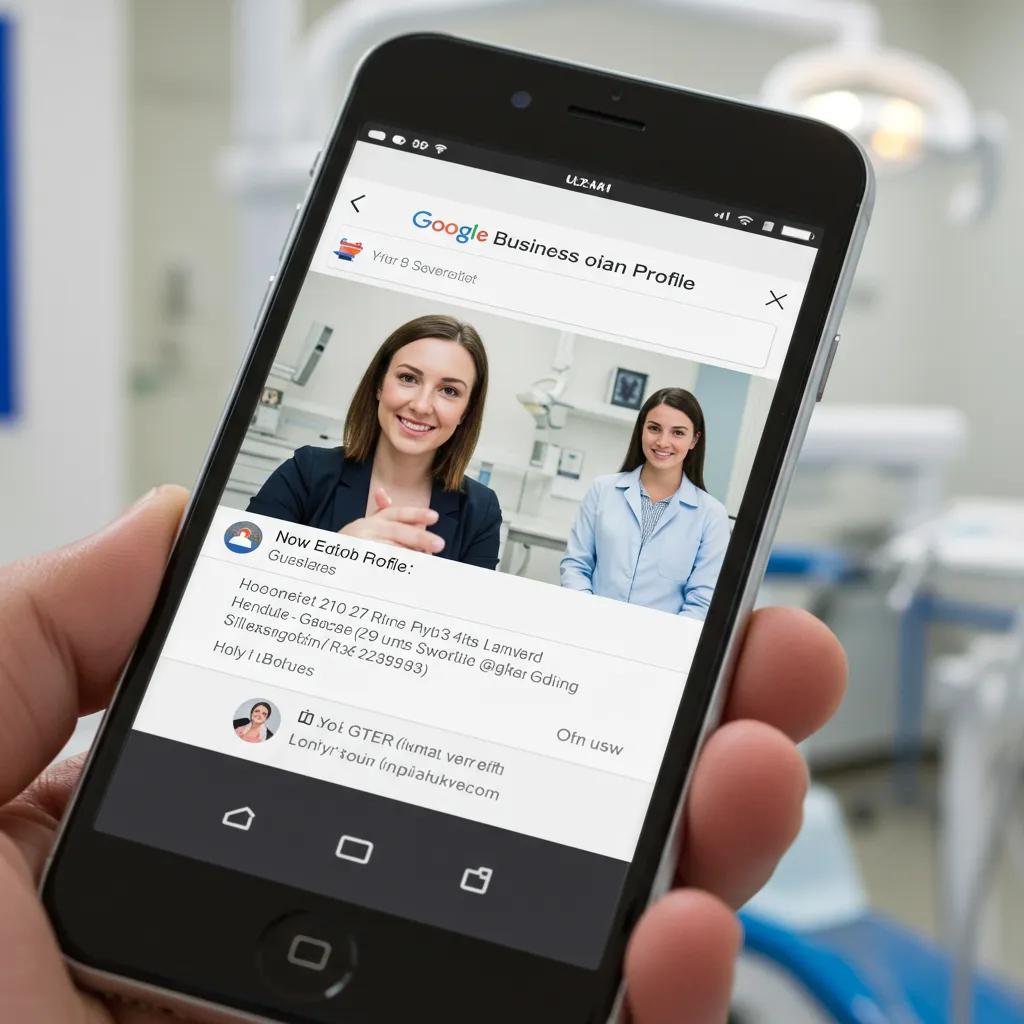
Optimising Google Business Profile requires placing natural keyword phrases into service names, business description, posts and Q&A while avoiding keyword stuffing to preserve authenticity. Start with a GBP checklist: ensure primary services are listed, use local descriptors in the business description, publish posts answering common local questions and add attribute-rich service entries. These actions surface long-tail queries in GBP results and support map-pack placement when combined with consistent citations and reviews. GBP optimisation should be reviewed regularly to capture evolving patient queries and new local opportunities.
How Do “Near Me” and Voice Search Keywords Impact Dental SEO?
“Near me” and voice queries are often conversational and question-based, and they favour concise answers and structured FAQ content that mirrors natural speech. Voice search typically uses longer, phrased queries like “where can I get same-day dental emergency near me” and these map to FAQ and conversational landing pages. To capture this traffic, create Q-format content and short, direct answers within page copy and FAQ schema; ensure local signals and service availability are clear. Capturing voice and “near me” traffic increases calls and walk-in enquiries from users seeking immediate care.
What Are the Best Keyword Research Tools for Dental Practices?
Keyword research tools provide data, competitor insights and discovery workflows to build targeted keyword lists for dental niches; the mechanism is seed-term expansion, local filtering and competitor gap analysis to prioritise high-intent opportunities. Tools vary in features: some excel at local volume estimates, others at competitor gap analysis or long-tail discovery, so dentists should choose based on local needs and budget. A concise comparison and practical value for dental practices helps select the right tool for discovery, monitoring and reporting. Below is a practical comparison to help clinics decide.
Intro to the tools comparison table: this table summarises the core tool strengths and practical value for dental keyword research so clinics can match a tool to their local objectives.
| Tool | Key Feature | Practical Value for Dentists |
|---|---|---|
| Google Keyword Planner | Free volume estimates and keyword ideas | Useful for seed discovery and checking local search trends |
| SEMrush | Keyword Gap, Position Tracking, Localised research | Strong for competitor analysis and uncovering low-competition service terms |
| Ahrefs | Keywords Explorer, Content Gap, SERP overview | Excellent for long-tail discovery and backlink-driven keyword prioritisation |
| KWFinder / AlsoAsked | Question reports and autocomplete extraction | Helpful for building FAQ content and PAA-targeted pages |
This comparison helps practices choose a toolset depending on whether they prioritise local discovery, competitor gaps or long-tail PAA opportunities. When you need expert-managed workflows for these tools, Milkcan Marketing’s comprehensive SEO service for dental practices can handle tool-driven keyword research and competitor analysis on your behalf, enabling clinics to focus on patients rather than platforms.
How to Use Google Keyword Planner for Dental Keyword Discovery?
Google Keyword Planner provides seed expansion and local filters to surface service and location combinations that reflect patient queries and seasonal demand. Start with a seed list of core services, apply location targeting for your city or suburbs, and use the “discover new keywords” and “historical metrics” features to find patterns in search volume and seasonality. Filter by intent and sort by low competition/high relevance to prioritise practical targets for service pages. Use Planner outputs to validate long-tail queries that can be converted into FAQ content and GBP posts.
How Can SEMrush Help with Competitor Keyword Analysis for Dentists?
SEMrush enables domain-overlap and Keyword Gap workflows that reveal which competitors rank for profitable service terms and where opportunities exist. Run Organic Research on local competitor domains, use Keyword Gap to find terms they rank for that your site does not, and apply Position Tracking for local visibility over time. This workflow identifies low-competition long-tail phrases and informs content briefs focused on high-intent queries. Prioritise keywords that competitors drive traffic for but with manageable difficulty—then map them to pages and CTAs.
What Features Does Ahrefs Offer for Dental SEO Keyword Research?
Ahrefs’ Keywords Explorer and Content Gap tools help uncover semantic keyword clusters and backlink opportunities that prioritise keywords with attainable ranking potential. Use the Parent Topic and SERP overview to spot featured-snippet targets and the Content Gap tool to find terms competitors rank for where your site lacks content. Ahrefs also surfaces question-based phrasing and long-tail permutations valuable for blog and FAQ content. These insights inform a content-first approach that pairs topical authority with practical link-building targets.
How to Discover Long-Tail Keywords Using Keyword Research Tools?
Long-tail discovery combines question reports, autocomplete mining and “also asked” data to surface high-conversion queries often overlooked by broader keyword lists. Use keyword tool filters to show question-type queries, export autocomplete and related search suggestions, and cluster similar phrases into intent-based groups. Prioritise long-tail terms by conversion potential rather than volume alone—these are ideal for FAQ pages, blog posts and PAA targeting. A disciplined workflow converts long-tail discovery into an editorial calendar that drives qualified traffic.
How to Implement Keywords Strategically in Dental Website Content?
Implementing keywords strategically maps each keyword to the correct page type, uses semantic variations across headings and body copy, and optimises structured data to capture PAA and featured snippets. The mechanism is semantic clustering: create hub pages for primary services and spoke pages for supporting long-tail and informational queries, using internal linking to signal relevance. This approach balances intent coverage and conversion potential while avoiding keyword cannibalisation. The following table maps content types to keyword attributes and implementation examples.
Intro to the content mapping table: the table shows how different content formats should be used to host specific keyword attributes and practical examples for implementation on a dental website.
| Content Type | Keyword Attribute | Implementation Example |
|---|---|---|
| Service Page | Transactional, geo-targeted | “Emergency dentist [suburb]” with booking CTA and local schema |
| Blog Post | Informational, long-tail | “How long do composite fillings last?” with internal links to service pages |
| FAQ Page | Question-based, voice-friendly | Short Q&A entries with FAQ schema to capture PAA results |
| Location Page | Navigational, neighbourhood tokens | Suburb pages with maps, directions and local reviews excerpts |
This content mapping clarifies where to place keywords so each page matches user intent and SERP features. For practices that prefer expert implementation, Milkcan Marketing’s comprehensive SEO service for dental practices can carry out on-page SEO, content optimisation and semantic keyword mapping to ensure pages are structured to convert.
What Are On-Page SEO Best Practices for Dental Websites?
On-page best practices include optimising title tags, meta descriptions, H1s, headings, image alt text and internal links while keeping user-centred copy that answers patient questions. Titles should include service and location for transactional pages; meta descriptions must provide a concise value proposition and CTA to improve CTR. Use local modifiers in headings and alt text, and ensure images include descriptive captions tied to services. Internal linking from hub pages to service and FAQ pages distributes authority and steers users toward booking CTAs, increasing conversion potential.
How to Create Content Using Semantic and Long-Tail Keywords?
Build semantic clusters by creating a hub page for a primary service and linking to spoke pages addressing specific long-tail queries and subtopics. Use related entities and hyponyms—such as “long-tail dental keywords” and “service-specific dental keywords (e.g., ‘teeth whitening Sydney’)”—to create natural variations across headings and body copy. Each spoke page should target a narrower intent and link back to the hub with contextual anchor text. This hub-and-spoke model improves topical authority and helps search engines understand relationships between services, which supports featured-snippet opportunities.
How to Optimise for People Also Ask and Featured Snippets in Dental SEO?
Capture PAA and featured snippets by writing concise, direct answers (40–60 words) to common patient questions near the top of relevant pages, using lists and numbered steps when appropriate. Implement FAQ and HowTo schema where it fits to increase the chance of rich result appearances, and structure content so short answers are followed by expanded detail. Use question-focused H2/H3 headings in natural language and include lists to present steps or options. This tactic increases visibility in SERP features and drives high-intent clicks to your service pages.
How to Measure and Track the Performance of Dental SEO Keywords?
Measuring performance links keyword groups to visibility metrics and conversion events so clinics can quantify patient acquisition and ROI from SEO activities. The mechanism involves tracking rankings, impressions, clicks and conversions with segmented reporting that attributes bookings to keyword clusters. Proper setup includes rank tracking for local pack and organic positions, analytics event tracking for calls, forms and online bookings, and periodic keyword-gap audits to prioritise optimisation. The table below summarises essential metrics and how to use them to improve conversions.
Intro to the metrics table: this table explains core SEO metrics, what they measure and how to use them to drive patient acquisition improvements.
| Metric | What it Measures | How to Use It to Improve Conversions |
|---|---|---|
| Rankings | Position for target keywords | Prioritise pages losing positions and refresh content to regain traffic |
| Impressions | How often your pages appear | Use SERP feature data to optimise snippets and improve CTR |
| Clicks | Organic clicks to pages | Improve meta copy and CTAs to increase visits from impressions |
| Conversions | Calls, forms, bookings | Attribute booking events to landing pages and keyword groups to calculate ROI |
This metrics view turns visibility data into actionable tasks—refresh pages, refine metadata, or build link signals—so keyword work translates into bookings. For clinics needing reporting and analytics setup, Milkcan Marketing’s comprehensive SEO service for dental practices can assist with analytics, conversion tracking and ROI calculation for appointment conversions.
What Metrics Should Dentists Use to Track Keyword Rankings?
Dentists should track ranking positions, impressions, clicks and the presence of SERP features like map pack, featured snippets and PAA listings for priority keywords. Monitor local pack performance separately from organic desktop and mobile results to capture location-driven traffic. Regularly export keyword ranking reports and track visibility trends for high-intent transactional terms and long-tail informational clusters. Combining ranking data with impression and click metrics gives a fuller picture of opportunity and conversion bottlenecks.
How to Measure Conversions and Patient Acquisition from Keyword Traffic?
Measure conversions by setting up event tracking for phone calls, contact forms and online bookings and attribute those events to landing pages and UTM-tagged campaigns. Use booking system integrations or simple analytics goals to capture appointment completions and then map those back to keyword groups responsible for the initial visit. Segment conversions by intent (local vs informational) to understand which keywords drive direct bookings versus assisted conversions. Reliable conversion tracking allows clinics to optimise pages that actually produce patients rather than only chasing traffic.
How to Calculate ROI for Dental Keyword Research Strategies?
Calculate ROI by estimating revenue per booking and multiplying by the number of keyword-driven bookings, then comparing that revenue to the cost of SEO activities. Use a simple formula: (Revenue from keyword-driven bookings – SEO cost) ÷ SEO cost = ROI. For example, estimate average revenue per new patient, apply conversion rates from landing pages, and attribute the traffic share coming from target keywords to compute expected returns. This worked example lets clinic owners prioritise keyword work that produces measurable patient acquisition value.
What Are Common Mistakes in Dental Keyword Research and How to Avoid Them?
Common mistakes include over-reliance on broad generic keywords, ignoring local modifiers and under-investing in long-tail question-based content that captures high-intent patients. These errors result in wasted effort on low-converting traffic and missed visibility in local SERP features. Corrective actions are straightforward: focus on geo-targeted transactional terms for service pages, build long-tail FAQ content for patient questions, and monitor performance to reallocate resources. Avoiding these pitfalls increases efficiency and produces a steadier flow of bookings from organic search.
Why Avoid Overusing Broad Keywords in Dental SEO?
Broad keywords are highly competitive and often deliver low conversion rates for small local practices because they attract users earlier in the research funnel. Instead, prioritise service + location phrases and long-tail queries that indicate stronger purchase intent. Compare outcomes: a general term may bring visits, but a geo-specific, transactional phrase is more likely to deliver calls and bookings. Redirect effort away from top-of-funnel broad terms toward focused phrases that align with clinic capacity and service offerings.
How Can Ignoring Local Search Intent Harm Your Dental Practice?
Ignoring local intent reduces your chances of appearing in the map pack and local finder, which are primary sources of calls and direction requests for neighbourhood clinics. Without consistent GBP optimisation and localised content, nearby patients will see competitors who have targeted those tokens and signals. A short scenario: a clinic without suburb pages and localised GBP content will lose immediate-intent searches to clinics that have optimised for “dentist [suburb]” queries. Ensuring local signals are consistent and present preserves direct visibility for local demand.
What Are the Risks of Neglecting Long-Tail Keywords in Dental Marketing?
Neglecting long-tail keywords misses opportunities to capture higher-converting, specific patient queries and to build topical authority through helpful content. Long-tail queries often indicate clear intent—questions about procedures, recovery timelines and costs—and are ideal for blog posts and FAQs that convert over time. By ignoring these, clinics fail to capture incremental bookings from patients seeking detailed answers and may lose out on featured-snippet and PAA placements. Investing in long-tail content builds steady organic acquisition at lower competition.
How Can Dental Practices Stay Updated with Keyword Research Trends in 2025?
Staying current requires a routine monitoring cadence that includes AI-assisted discovery, mining patient reviews for natural language, and regular SERP audits to capture new PAA and feature opportunities. The mechanism blends automated expansion of seed lists with human validation to ensure local relevance and avoid hallucinated suggestions. Practices should schedule periodic audits, review GBP queries, and scan competitor moves to keep keyword targeting aligned with patient behaviour. This ongoing process preserves ranking momentum and captures new booking opportunities as search evolves.
The integration of advanced techniques like Natural Language Processing (NLP), BERT, and graph analysis is crucial for enhancing website visibility in the competitive healthcare SEO landscape, as demonstrated by efforts to elevate specific healthcare webpages.
SEO Strategies for Healthcare: NLP, BERT, and Graph Analysis for Website Visibility
Search Engine Optimisation (SEO) is the practice of refining a website to enhance its visibility in search engine results, thereby capturing the attention of both potential and existing customers. At Kaiser Permanente Digital, our steadfast commitment is to provide individuals with pertinent and precise health-related information. In this study, our primary objective is to elevate the rankings of KP.org webpages. To achieve this goal, we leverage data from a third-party platform and employ cutting-edge Natural Language Processing (NLP) techniques, including the powerful large language model BERT. Our NLP toolkit encompasses diverse techniques, such as clustering and topic modelling, designed to extract invaluable insights from our data. Furthermore, we supplement our findings with practical examples and compelling visualisations tailored to the clinical and healthcare domain. Additionally, we conduct thorough graph analysis, utilising methods like node2vec, to identify pages with closely related content within our domain, addressing the issue of keyword cannibalisation and content competition for ranking. In this paper, we present our innovative solutions in a visually intuitive manner, showcasing how these approaches not only optimise our content effectively but also ensure strategic and non-redundant keyword utilisation across our website.
Enhancing Search Engine Optimization in Healthcare and Clinical Domains with Natural Language Processing and Graph Techniques, D Garcia, 2023
What Role Does AI Play in Modern Dental Keyword Research?
AI accelerates seed-list expansion, clustering and headline ideation by generating variations and uncovering conversational phrasing, but it must be validated with real search data and local relevance checks. Use AI to propose clusters and draft content outlines, then confirm volumes and intent with tools like Keyword Planner, SEMrush or Ahrefs. Guardrails include rejecting suggestions that lack local relevance or that contradict search data. AI is a productivity multiplier when combined with disciplined tool validation.
How to Leverage Patient Feedback and Reviews for Keyword Ideas?
Mining patient reviews and Q&A reveals the exact language patients use to describe symptoms, services and outcomes, converting those phrases into blog topics and FAQ entries. Extract common phrases, complaints and questions from reviews and map them to content topics that answer those concerns directly. This produces highly relevant long-tail queries and voice-search targets while also improving trust signals when review language is echoed in helpful content. Translating review language into targeted pages often uncovers low-competition phrases with strong conversion potential.
Why Is Continuous SERP and Competitor Monitoring Essential for Dentists?
SERP features and competitor positions change frequently; regular monitoring identifies new PAA items, snippet opportunities and shifting competitor tactics that can affect your traffic. By auditing SERPs monthly, you can detect content gaps, adjust priorities and capture emergent questions while they are still valuable. A monitored cadence triggers quick actions—refresh content, add FAQ entries or target a new long-tail phrase—keeping your visibility aligned with patient demand and protecting rankings from sudden drops.
For a tailored keyword research audit and a local SEO plan focused on driving appointment conversions, contact Milkcan Marketing. Milkcan Marketing is an Australian digital marketing agency specialising in providing tailored, affordable marketing solutions for small healthcare practices, particularly dentists, and their comprehensive SEO service for dental practices includes keyword research, local SEO and content marketing to turn search visibility into booked patients.