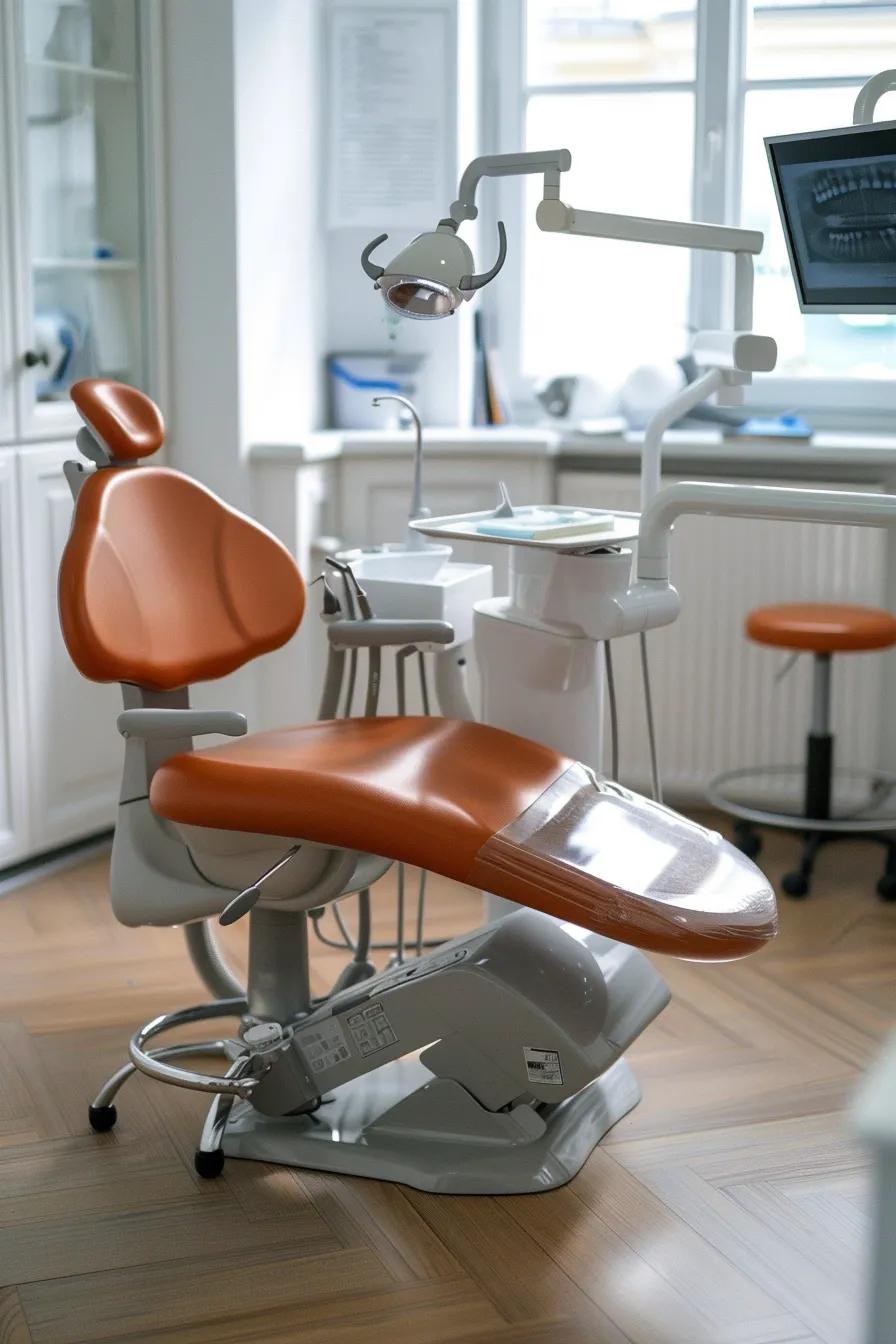
Identifying Key Customer Demographics for Milkcan Products

Identifying Key Customer Demographics for Milkcan Products: Understanding Australian Dental Practice Owners and Their Marketing Needs
Dental practice owners make marketing choices based on who they are, where they operate and how developed their internal processes are. This guide translates those demographic differences into practical marketing actions designed to provide clear service information, build patient trust and turn searches into booked appointments. We explain how audience segmentation informs local SEO, Google Business Profile optimisation, reputation management and patient-acquisition tactics tailored to Australian dentists. You’ll find defined owner segments, the business challenges that shape marketing priorities, step-by-step channel and messaging recommendations, and a measurement framework practices can use to track and improve performance over time.
Who Are the Australian Dental Practice Owners Milkcan Serves?
Australian dental practice owners are clinical leaders with varied ages, practice sizes and marketing sophistication. Segmenting owners helps pinpoint the best acquisition channels and the right messaging. This section summarises the main owner archetypes and their marketing needs, so teams can quickly decide whether to focus on referral programmes, local search optimisation or online booking automation. The compact comparison helps practices prioritise time and budget where it will move the needle fastest.
What Is the Demographic Profile of Dental Practice Owners in Australia?
Here we outline common owner profiles — age ranges, time in practice and marketing maturity — so outreach can be targeted. Most owners sit in three broad groups: established clinicians in mid-to-late career running solo or small-group practices; early-career owner-operators who are digitally comfortable but often resource-constrained; and corporate or group-affiliated owners focused on scale and standardised patient flows. Each group has distinct priorities that dictate the most effective channels and messages.
Different owner segments and attributes are summarised below for quick comparison.
| Owner Segment | Typical Age / Experience | Practice Size / Location |
|---|---|---|
| Established Owners | 45–65 years; 15+ years | Solo or small group; metro + regional |
| Early-Career Owners | 30–44 years; 5–15 years | Small group; metro-focused |
| Corporate / Group Affiliates | Variable; clinical + managerial | Multi-site or chains; metro concentration |
These segments guide how messaging and channel choice should change: referral and reputation work for established owners, digital acquisition and booking automation for younger owners, and scalable processes for group models. Clear segmentation helps allocate resources to the highest-yield activities.
What Business Challenges Do Australian Dental Practice Owners Face?

Practice owners frequently face operational and marketing constraints that limit growth, and these constraints determine which marketing levers are realistic to pull. Financial pressure, recruiting and retaining staff, and clinicians short on time or marketing skills are common. Those constraints reduce capacity for content creation, GBP maintenance and review management. In busy local markets — and with corporate groups expanding — clear differentiation and repeatable patient-experience systems become essential.
Owners face five core business challenges that affect marketing choices:
- Limited business/marketing skills: Clinicians often prioritise clinical work over marketing operations.
- Competitive local markets: High practice density in metro areas pushes acquisition costs up.
- Patient acquisition and retention difficulties: New-patient flow and loyalty rely on both visibility and trust.
- Staffing and capacity constraints: Limited chair time reduces scope for new services or marketing-driven offers.
- Technology adoption gaps: Partial booking or CRM systems hinder conversion and follow-up.
Fixes usually start with operational basics — consistent online listings, active review management and a straightforward booking path — because these changes directly improve how marketing converts interest into appointments. The next section shows how demographic insight shapes those specific solutions.
Demographics and Marketing Needs for Australian Dental Practice Owners
Segmentation tightens channel choice, messaging and expected ROI by aligning tactics with owner priorities and constraints. Mapping owner archetypes to concrete actions — for example, referral and retention work for established owners and automated digital acquisition for younger owners — lets providers build packages that match capacity and goals. That alignment sets realistic KPIs and the optimisation cadence needed to convert visibility into bookings.
Understanding demographics delivers three practical benefits for marketing programmes:
- Targeted channel selection: Demographics tell you whether to prioritise local SEO and GBP, paid acquisition or retention work.
- Message tailoring: Owner profiles shape patient-facing content versus trust and reputation messaging for hesitant searchers.
- Service packaging and measurement: Segmentation makes it possible to create packages with KPIs that reflect owner capacity and business drivers.
Put simply: younger owner-operators tend to see quicker returns from automated funnels and booking optimisation, while longer-tenured owners usually get more value from reputation work and referral-system improvements. Demographic-driven tactics help teams set achievable goals and measurable outcomes that tie activity to new patient enquiries — the core aim being to inform patients, build trust and make booking simple.
Applying the 7 Ps of Marketing to Enhance Dental Practice Operations and Success
ABSTRACT: As healthcare evolves, dental practices must adopt practical marketing frameworks that attract and keep patients while improving operational efficiency. The 7 Ps — Product, Price, Place, Promotion, People, Process and Physical Evidence — provide a structured approach to meet patient expectations and drive practice growth. Each element helps shape strategies that align clinical services with patient needs and operational realities. This commentary examines how practices can apply and refine the 7 Ps in a dental context to support both marketing and service delivery.
Applying the 7 Ps of Marketing to Enhance Dental Practice Operations and Success, A Quaranta, 2024
What Are the Key Marketing Challenges for Australian Dentists in 2025?
In 2025, changing search patterns, higher technology expectations and growing corporate competition compress the margin for error on visibility and booking flows. Mobile-first local search means patients expect fast, localised answers and seamless booking. Analytics and AI are changing how queries are interpreted and served. Practices that don’t optimise Google Business Profile, manage reviews and streamline booking UX risk losing high-intent patients to rivals with simpler conversion paths.
Primary marketing challenges for small dental practices include:
- Competition and corporatisation pressures: Corporate groups use scale to dominate paid and organic channels.
- Technology and workflow gaps: Missing integrated booking and CRM systems reduce booking conversion and follow-up.
- Converting search intent to bookings: Weak GBP signals and few recent reviews fail to turn local searchers into patients.
- Rising expectations for immediacy: Patients expect online booking and rapid replies via chat or messaging.
Each challenge points to a clear tactical response: improving local SEO and GBP for discovery, and simplifying bookings and review acquisition to boost conversion. The next subsection outlines how digital trends are reshaping the landscape and what owners should do to adapt.
How Do Digital Marketing Trends Impact Small Dental Practices?
Shifts in search behaviour, mobile use and AI-driven communication change how quickly patients choose a provider. Local intent queries on mobile increasingly drive patient acquisition, so practices must ensure GBP, local pages and review signals are aligned for high-value searches. AI can automate patient messaging and content, but it needs oversight to keep clinical accuracy and brand tone intact.
Practices should prioritise three responses:
- Optimise GBP and local landing pages for mobile-first search intent.
- Use reputation processes to grow review volume and recency as social proof.
- Introduce lightweight automation for booking confirmations and reminders.
These steps convert greater local visibility into booked appointments and better retention, directly supporting patient-acquisition goals. The next subsection looks at online booking and the measurable uplift it can deliver.
What Role Does Online Booking Play in Patient Acquisition?
Online booking closes the gap between search interest and a confirmed appointment. Done well, it reduces friction, lifts conversion rates and cuts administrative load. Many practices still under-provide online booking, leaving a conversion gap competitors take advantage of. A simple booking widget visible from GBP and the website captures high-intent traffic and triggers automated confirmations and reminders.
Practical steps to implement online booking include:
- Integrate a simple booking widget with clear service categories and real-time availability.
- Link booking calls-to-action from GBP and location pages to reduce clicks to conversion.
- Use automated confirmations and reminder workflows to reduce no-shows and improve capacity planning.
These actions typically increase booking conversion and make new patient flow easier to measure, so practices can prioritise channels that move revenue. The section that follows maps services to needs and shows expected outcomes and KPIs.
How Can Milkcan Products Help Dental Practices Grow in a Competitive Market?
Milkcan Marketing offers our dental marketing services — local SEO, Google Business Profile management, reputation programs and content marketing — designed to address the owner-level constraints and acquisition gaps above. When demographic segments guide service choice and intensity, practices can set realistic KPIs tied to visibility, GBP actions and booking conversion. Remember: the goal is to give patients the information they need, build trust and make booking straightforward.
The most effective strategies vary by owner profile and expected ROI:
- Local SEO & GBP optimisation: Improves discoverability for high-intent local searches.
- Reputation management: Builds trust through review volume and considered responses, lifting conversion.
- Content marketing & website optimisation: Educates patients and boosts organic rankings for service queries.
Below is a concise comparison of Milkcan services and the primary KPI each service typically moves.
| Service | Primary Benefit | Typical KPI / Result |
|---|---|---|
| Local SEO | Better local visibility | Increase in GBP views & organic enquiries |
| GBP Management | Higher conversion from searches | More booking clicks and phone actions |
| Reputation Management | Stronger patient trust | Growth in review volume and average rating |
This mapping helps owners choose the right mix: younger operators often favour local SEO and booking automation for quick new-patient growth, while established owners may gain more long-term value from reputation and content strategies that reinforce referrals. The next subsection outlines channel recommendations and when to use paid versus organic approaches.
What Are the Most Effective Digital Marketing Strategies for Dental Practice Growth?

Prioritising channels by expected ROI helps owners spend limited budgets and time where they matter most. Organic local SEO and GBP optimisation usually deliver the best cost-per-acquisition for high-intent local queries, while targeted paid search or social campaigns can speed visibility when capacity allows. Reputation work supports conversion across channels by improving the trust signals patients see.
Recommended channel approach:
- Start with GBP and local SEO: Fix listings, citations and location pages to capture local intent.
- Layer reputation management: Systematically grow reviews and respond to feedback to convert traffic.
- Use paid search selectively: Apply it for high-margin services or to accelerate growth when chair capacity exists.
These steps should integrate with booking and workflow systems so visibility reliably converts into bookings. The next subsection explains how case snapshots show ROI and how demographics guide tactic choice.
How Do Case Studies Demonstrate ROI for Milkcan’s Dental Marketing Services?
Short, anonymised case snapshots show how combining local SEO, GBP fixes and reputation processes moves the KPIs owners care about: visibility, booking clicks and new-patient enquiries. A typical case follows this pattern: diagnose visibility and review gaps, apply targeted GBP and local content changes, run a reputation acquisition process, then track KPI improvements over 3–6 months. These examples focus on measurable gains, not vague promises.
Representative metrics that reflect likely outcomes:
- Meaningful uplift in local search visibility within 90 days.
- Noticeable increase in booking clicks and GBP actions over 3–6 months.
- Improved review volume and average rating that supports higher conversion.
Linking demographic insight to tactics — for example, referral-focused content for established owners or automated booking funnels for digitally native owners — means interventions match goals and capacity while progress is measured against clear KPIs.
What Future Trends Will Shape Dental Practice Ownership and Marketing in Australia?
Corporatisation, technology adoption and evolving patient expectations will reshape how independents position themselves and how marketing must respond. Corporates bring scale in SEO budgets and standardised processes, so independents need to differentiate through local reputation, niche clinical services and a superior patient experience. Practical technology — booking automation, analytics and AI-assisted communication — will determine which practices convert modern searchers most effectively.
Three future-facing priorities for owners are:
- Niche positioning and a standout patient experience to defend against scale competitors.
- Practical adoption of booking automation and analytics to measure ROI.
- Ongoing content and reputation work to keep local relevance.
These priorities require steady investment and clear measurement so marketing spend turns into booked appointments and sustainable patient flow. The following subsections dig into corporatisation and emerging tech and suggest how owners can respond.
How Is Corporatisation Changing Dental Practice Ownership?
Corporatisation centralises marketing, technology platforms and procurement, which can lower acquisition costs and standardise patient journeys — creating pressure on independents that rely on local referrals. Larger groups often centralise GBP management and scale review acquisition and paid channels, which can outperform smaller practices on certain search terms. Independents should respond by sharpening their clinical specialisms, deepening community ties and strengthening local reputation signals.
Independent strategies include:
- Promote service specialisms and local community engagement.
- Boost review acquisition and local content to protect organic visibility.
- Streamline booking and patient communication to match corporate convenience.
Adopting these measures helps independents protect margins and sustain patient acquisition as larger groups expand. The next subsection highlights technologies that can deliver immediate ROI for small practices.
What Emerging Technologies Will Influence Dental Marketing Strategies?
Emerging tech — AI chatbots for initial contact, integrated booking/CRM systems, and richer analytics — is changing the conversion funnel and helping small practices operate more efficiently with better measurement. AI can triage enquiries and offer instant replies, but it needs configuration to preserve clinical accuracy and brand tone. Integrated booking plus analytics closes the loop so marketing activity can be tied to booked appointments and revenue.
High-impact technologies to prioritise now:
- Real-time booking integrations with confirmation automation.
- Lightweight AI-assisted messaging for out-of-hours enquiries and lead capture.
- Analytics dashboards combining GBP actions, website behaviour and booking data.
These tools improve patient experience and measurement without enterprise budgets, letting practices compete on convenience and responsiveness. The next H2 explains how owners should measure and optimise marketing performance using clear KPIs.
How Can Dental Practice Owners Assess and Improve Their Marketing Performance?
A simple measurement framework helps owners see if marketing is producing real business results. Focus on a small set of KPIs: organic visibility, GBP actions, new patient enquiries and booking conversion rates. Keep a regular cadence — weekly GBP spot checks, monthly KPI reviews and quarterly optimisation — so visibility gains translate into bookings and revenue. Prioritise metrics that tie back to the core aim: inform patients, build trust and make booking easy.
The key KPIs below provide a practical measurement foundation and clear guidance on how to track them.
| KPI | Why It Matters | How to Measure |
|---|---|---|
| Organic visibility | Shows how often the practice appears for local searches | Rank trackers, organic impressions |
| GBP actions | Signals real interest from local searchers | GBP calls, directions, booking clicks |
| New patient enquiries | Direct lead measure | Form submissions, phone leads, booking conversions |
| Booking conversion rate | Measures booking UX efficiency | Booked appointments / website or GBP visits |
Track these KPIs against realistic benchmarks and review them in regular optimisation cycles to create a feedback loop that turns visibility into measurable bookings. The next subsection shows how ongoing optimisation is organised and how demographic insight feeds iterative improvements.
What Key Performance Indicators Should Dentists Track?
Clear KPIs translate marketing activity into business results and help owners prioritise fixes that drive bookings and revenue. Organic visibility reveals discovery gaps; GBP actions predict booking intent; new patient enquiries are the direct lead metric; booking conversion rate shows how well visits turn into appointments.
Owners should adopt a minimal tracking set:
- Check organic impressions and local rankings monthly to find visibility gaps.
- Monitor GBP actions weekly to spot immediate shifts in search behaviour.
- Record new patient enquiries and booking conversions in a central dashboard for attribution.
These focused metrics make it easy to find the weakest link in the funnel — discovery, trust signals or conversion — and apply targeted fixes that increase booked appointments. The following subsection describes how Milkcan supports ongoing optimisation while respecting owners’ capacity and goals.
How Does Milkcan Support Ongoing Marketing Optimization?
Milkcan Marketing delivers ongoing services that combine demographic insight, technical local SEO and reputation processes into a continuous optimisation rhythm built for dental practices of varying capacity. Our approach centres on scheduled reporting, iterative content and GBP adjustments, and A/B testing where useful to lift booking conversion. This operational model keeps the primary goal front and centre: inform patients, build trust and make booking easy.
Typical optimisation components include:
- Regular reporting and KPI review sessions that create clear action items.
- Iterative testing of GBP content, landing pages and booking flows to raise conversions.
- Reputation processes that systematically grow and manage reviews to sustain trust.
By pairing demographic segmentation with measurable tactics, Milkcan helps practices turn visibility gains into booked appointments while keeping the focus on patient information and trust signals that matter to prospective patients.
Frequently Asked Questions
What are the benefits of demographic segmentation for dental practices?
Demographic segmentation helps practices target marketing to the right owner archetypes, which improves message relevance and channel choice. That leads to better patient acquisition, higher conversion and stronger long-term relationships — ultimately more referrals and loyalty.
How can dental practices improve their online visibility?
Focus on Google Business Profile optimisation, consistent local listings and local SEO. Encourage recent reviews and publish useful, locally relevant content. Keep GBP details current and respond to enquiries quickly — small, consistent actions improve search presence and conversion.
What role does patient feedback play in dental marketing?
Patient feedback drives reputation and trust. Positive reviews make a practice more attractive to prospective patients; actively asking for feedback and responding to reviews improves satisfaction and retention. Testimonials can also be used in content to demonstrate real outcomes and build credibility.
How can dental practices effectively utilise social media for marketing?
Use social channels to share educational content, patient stories and community updates. Platforms like Facebook and Instagram let practices show their personality and connect locally. Regular, helpful posts plus targeted ads can drive awareness and funnel patients to the website or booking pages.
What are the key performance indicators (KPIs) for measuring marketing success?
Primary KPIs include organic visibility, Google Business Profile actions, new patient enquiries and booking conversion rates. Tracking these shows whether marketing is driving discovery, interest and booked appointments, and helps you optimise spend and effort.
How can technology enhance patient communication in dental practices?
Technology improves communication through online booking, automated reminders and CRM-driven follow-up. Chatbots can handle basic queries outside hours, while integrated systems reduce admin and improve conversion. Carefully chosen tools raise convenience and patient satisfaction.
What future trends should dental practices prepare for in marketing?
Expect continued digital-first searching, more telehealth options and higher expectations for the patient experience. Practices should invest in easy booking, relevant content and analytics to personalise outreach. Staying local, specialised and responsive will help independents compete.
Conclusion
Knowing the demographics of Australian dental practice owners lets you tailor marketing that truly fits their challenges and goals. Using those insights will improve visibility, lift new-patient acquisition and increase bookings through targeted, measurable actions. If you’re ready to refine your approach, explore our services tailored to dental practices and start turning searches into appointments.