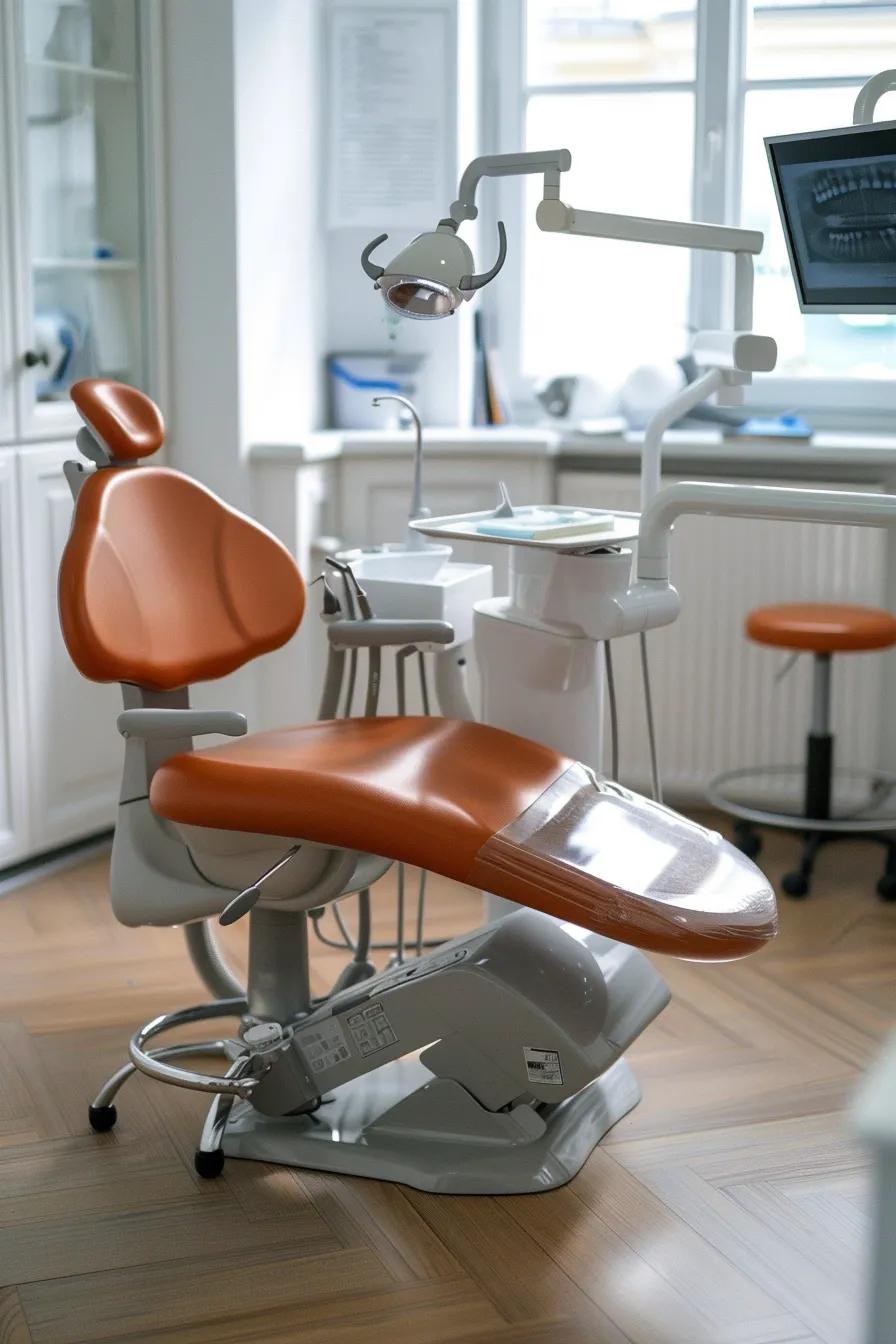
Improving Local Visibility for Dentists

Local SEO for Dentists Australia: How to Improve Your Practice’s Local Visibility and Attract More Patients
Local SEO for dentists is about making your clinic easy to find for nearby patients on search engines and maps. It’s the practical work of optimising your Google Business Profile, local citations, service pages and review signals so searches with strong intent — like “dentist near me” or “emergency dentist [suburb]” — turn into calls, bookings and direction requests. This guide explains why local search matters for patient growth, how to tighten up your Google Business Profile and website, and which reputation and advertising tactics typically give the best ROI for small Australian practices. You’ll get step-by-step checklists, channel comparison guidance, quick-action summaries and AHPRA compliance notes. We also reference Australia-specific details and 2025 trends (AI review tools, voice search) with practical examples so clinical teams can convert more local searches into new patients.
What Is Local SEO for Dentists and Why Is It Essential for Your Practice?
Local SEO for dentists is the process of shaping your online presence so your clinic appears for geographically relevant searches. It increases patient acquisition by getting your practice into map packs and local organic results where search intent is high. The principle is simple: stronger local signals (a complete GBP, consistent citations, steady reviews and relevant local content) help you rank in the map pack, which drives higher‑intent clicks and phone calls that convert faster than general traffic. Practices that focus on local SEO usually see clear uplifts in calls, bookings and direction requests. Knowing which channels drive those actions helps you spend marketing budget more effectively and set measurable KPIs for new patient growth.
Local channel comparison — how each channel typically contributes to patient actions and measurable outcomes:
| Channel | Primary Metric | Typical Outcome |
|---|---|---|
| Google Business Profile | Calls, direction requests, website clicks | Direct high‑intent patient contacts and bookings |
| Local citations (NAP) | Consistency score, citation count | Greater ranking stability across local directories |
| On-page local content | Organic traffic, time on page | Educates patients and strengthens keyword relevance |
| Online reviews | Average rating, review velocity | Boosts trust, CTR and conversion rates |
This table shows where to focus effort first. The next section explains the typical patient journey from discovery to appointment and the small tactics that speed conversions.
How Does Local SEO Increase Patient Acquisition for Dental Practices?
Local SEO shortens the path from search to booking by putting your clinic where patients look and giving them the information they need to choose you. When someone searches for a local dental service, your Google Business Profile and service pages act as decision points: photos, listed services, recent reviews and clear CTAs turn searches into calls and bookings. Track calls, form submissions and new‑patient codes to attribute outcomes — clinics often see measurable increases in phone enquiries after improving GBP completeness and review volume. Small changes, like adding high‑quality intra‑oral and team photos, expanding procedure pages and placing obvious booking CTAs, typically deliver quick wins. These improvements also strengthen local ranking signals, creating a cycle where better visibility drives more interactions and more data to refine performance.
What Are the Key Components of Dental Local SEO in Australia?
Core components of dental local SEO are Google Business Profile optimisation, consistent NAP citations, locally focused service pages, active review management and targeted local links that signal geographic relevance. Each piece plays a role: GBP provides map presence and CTA metrics, citations add consistency and trust, content creates keyword relevance, and reviews help both ranking and conversion. Quick wins include auditing and normalising NAP across major directories, publishing clear service pages for common treatments, and setting up an ethical review workflow to increase review velocity. Agencies specialising in dental marketing often bundle GBP management, reputation systems and local content to speed results while keeping messaging AHPRA‑aware and patient‑focused.
That overview leads into hands‑on Google Business Profile optimisation tactics and a practical checklist.
How Can You Optimise Your Google Business Profile to Boost Local Visibility?

Optimising your Google Business Profile (GBP) means filling every relevant field, choosing precise categories and service names, and posting photos and updates regularly so the listing signals activity and relevance. GBP completeness and ongoing activity increase your chances of appearing in the local pack and improve engagement metrics — click‑to‑call, website visits and direction requests — which in turn support local ranking. For dentists, that means using accurate procedure attributes, adding appointment links, keeping hours correct and maintaining a steady stream of photos and posts. Monitor profile insights to see which posts and assets drive the most calls and site visits, then iterate from there.
Steps to optimise GBP for dental clinics — a concise checklist to follow:
- Claim and verify your profile; ensure the practice name and categories match your branding and services.
- Complete service listings and attributes using procedure‑level names that mirror patient queries.
- Upload high‑quality photos (team, treatment rooms, before/after) and add clear captions.
- Publish weekly or fortnightly posts about offers, new services or helpful patient tips with appointment CTAs.
- Reply promptly to questions and reviews, and include a booking link or phone number for direct conversions.
This checklist gives a practical order to follow; the table below maps profile elements to specific optimisation actions and expected results.
| GBP Element | Optimisation Action | Expected Outcome |
|---|---|---|
| Name & Categories | Choose precise dental categories and include procedure keywords | Better matching for local searches |
| Services & Attributes | Add service names (e.g., “emergency extraction”) and brief procedure details | Higher relevance for specific queries |
| Photos & Videos | Upload labelled, high‑quality images regularly | More clicks and greater trust |
| Posts & Offers | Publish timely posts with CTAs and booking information | Increased direct bookings and engagement |
| Reviews & Q&A | Respond quickly and manage customer questions | Improved trust and click‑through rates |
Once these elements are in place, maintain activity and measure results. The next section looks at how reviews and reputation affect conversion.
What Steps Are Involved in Google Business Profile Optimisation for Dentists?
A practical GBP optimisation sequence is: claim and verify the listing, align categories and service names with search intent, add thorough descriptions and attributes, and keep a reliable flow of photos and posts. Verification gives you control; accurate categories and service names help patients find the right pages, while clear descriptions and booking links close the conversion loop. Name image files descriptively and use informative captions to give context for both users and search engines. Regular posts — educational tips, promotions or service updates — signal freshness and can help visibility in local packs.
These steps naturally lead to reputation practices: collecting reviews and responding in ways that keep GBPs working well.
How Do Patient Reviews and Reputation Management Impact Your Google Profile?

Patient reviews build trust and act as ranking signals: volume, recency and average rating influence click‑through rates and map pack placement, while thoughtful responses show professionalism and regulatory awareness. Reviews reduce perceived risk for prospective patients — a strong average rating and steady recent reviews typically mean more calls. Best practice is to request reviews at suitable points in the patient journey, use neutral consent language, and respond to both positive and negative feedback quickly with AHPRA‑conscious wording. AI tools can help monitor sentiment and prioritise responses, but always keep clinician oversight and patient privacy front of mind.
A short list summarises ethical review collection and response practices.
- Ask for reviews after treatment using simple, consent‑aware language.
- Write personalised responses that acknowledge specifics and offer offline resolution for concerns.
- Monitor review velocity and address negative feedback swiftly to limit reputational harm.
These practices connect directly to broader marketing work that combines content, GBP and paid acquisition — covered next.
What Are Effective Dentist Marketing Strategies to Enhance Online Visibility?
Effective dentist marketing blends local SEO, targeted content, reputation management and selective paid advertising to build a predictable patient acquisition funnel. The approach is integrated: GBP and local content capture high‑intent searches, content educates and moves patients toward booking, reviews increase trust, and ads capture immediate demand for urgent or competitive services. Small practices should prioritise: start with GBP completeness and a review system, then build service pages and targeted search campaigns for high‑value procedures. Track cost per lead (CPL), conversion rates and new‑patient value to guide budget decisions and balance organic work with paid spend.
Top strategies for immediate and sustained visibility include:
- Local content and service pages: Build suburb‑specific pages and clear procedure pages to capture local intent.
- Google Business Profile management: Keep GBP updated with posts, photos and accurate services to drive calls.
- Reputation management: Put in place a compliant review workflow to increase review volume and trust.
- Targeted paid campaigns: Use search and local ads for immediate leads and retargeting to recover interested visitors.
These strategies form a layered funnel; the next section covers content marketing that educates and converts while staying AHPRA‑compliant.
How Does Content Marketing Engage and Educate Potential Dental Patients?
Content marketing for dental practices should focus on clear patient education — procedure overviews, recovery guides and local FAQs — to build trust and remove barriers to booking. Helpful content answers the practical questions that often stop people from calling, such as pricing expectations, procedure timelines and aftercare. Use topic clusters that link service pages to related blog posts and FAQs to show topical authority, and add structured data like FAQPage and Service schema to improve rich result chances. Always keep patient‑facing copy AHPRA‑compliant: avoid guaranteed outcomes or comparative claims and handle testimonials carefully.
Those content tactics also feed paid strategies that capture demand; the next section outlines advertising options and KPIs to track.
Which Digital Advertising Methods Deliver Targeted Patient Acquisition?
Digital advertising for dental practices should prioritise high‑intent search ads, local service ads where available, and geographically focused social campaigns for awareness and promos. Search ads capture immediate demand for terms like “emergency dentist [suburb]” with measurable CPLs and clear conversion tracking; social ads build local awareness and retargeting recovers visitors who didn’t book first time. KPI targets vary by market, but common objectives are CPL aligned with patient lifetime value and conversion rates from click to booking above baseline. Geo‑fencing and radius targeting help control spend for practices focusing on nearby suburbs.
A short prioritisation list to decide where to start:
- Prioritise search ads for urgent, high‑intent keywords.
- Use local posts and GBP features before broad social spend.
- Implement retargeting for visitors who viewed service pages.
After advertising, reputation management remains central to converting that traffic — discussed next.
How Can Reputation Management Build Trust and Increase Patient Bookings?
Reputation management increases visible social proof, which speeds the decision to contact your practice and improves the local ranking signals that drive discovery. The link is measurable: review volume, rating and recency influence both ranking and conversion — more positive, recent reviews typically lift CTR and bookings. Effective systems combine well‑timed review requests (at discharge or in follow‑up), simple staff workflows, and monitoring tools that flag urgent issues. Use ethical, AHPRA‑compliant language when soliciting and responding to reviews to reduce regulatory risk.
Here’s a concise workflow for generating and responding to reviews.
- Request reviews at a natural touchpoint (post‑treatment follow‑up) with neutral wording and clear consent.
- Provide a simple, friction‑free process for patients to leave feedback and an alternative contact for concerns.
- Respond to reviews within 48–72 hours, reference specifics and invite offline resolution where needed.
This workflow improves ratings and speeds issue resolution, feeding back into local ranking gains covered earlier.
What Are Best Practices for Generating and Responding to Online Patient Reviews?
Ethical review generation relies on timing, neutral prompts and documented consent; responses require empathy, privacy awareness and a route to resolve issues offline. Best practice includes training reception and clinical teams on a short review request script, documenting consent where necessary, and using concise response templates that acknowledge the patient’s feedback without revealing clinical details. Have separate templates for positive, neutral and negative reviews and always invite the reviewer to contact the practice directly to resolve problems. Track sentiment trends and prioritise responses that address systemic issues quickly.
These steps improve reputation metrics that contribute directly to local search performance, as explained previously.
How Does Managing Your Online Reputation Affect Local Search Rankings?
Online reputation impacts local search by shaping user behaviour signals — higher click‑through rates and more direction requests — and by contributing to authority signals in local ranking algorithms. Review volume, recency and average rating correlate with better placement in the local pack; active, professional responses also signal legitimacy. Improving reputation metrics typically raises conversion (clicks to calls) and supplies more real‑world data to refine campaigns. A targeted plan to increase review velocity, respond quickly and resolve issues turns into better discovery and higher conversions.
A brief checklist summarises reputation KPI targets:
- Increase monthly review velocity while maintaining a strong average rating.
- Track CTR and click‑to‑call rates via GBP insights.
- Use sentiment monitoring to spot and fix recurring patient experience problems.
Next, we cover website design and technical SEO that convert the traffic you attract.
How Do You Develop a Mobile-First, SEO-Friendly Dental Website That Converts?
A mobile‑first, SEO‑friendly dental website focuses on responsive design, fast load times and clear conversion paths so mobile searchers can call or book quickly. Because Google uses mobile‑first indexing and most local searches happen on phones, a mobile experience directly affects ranking and conversions. Technical best practices — Core Web Vitals, structured data, secure hosting and optimized images — reduce friction and support organic visibility. Conversion improvements include sticky CTAs, short booking forms and prominently displayed phone numbers, which turn visits into appointments and feed performance metrics.
Key technical elements, benchmarks and recommended targets are summarised below.
| Element | SEO Attribute | Recommendation / Benchmark |
|---|---|---|
| Mobile responsiveness | Layout and touch UX | Responsive design with large tap targets; test on common device sizes |
| Page speed | Core Web Vitals (LCP, FID, CLS) | LCP < 2.5s, CLS < 0.1; optimise images and leverage caching |
| Structured data | Schema types (LocalBusiness, Service, FAQ) | Implement Service and LocalBusiness schema for clinic and procedures |
| CTAs & booking flow | Conversion friction | One‑tap call and 2‑step booking forms to reduce drop‑off |
Use this table as an implementation checklist; the following sections expand on mobile UX patterns and SEO elements.
Why Is Mobile Responsiveness Critical for Dental Practice Websites?
Mobile responsiveness matters because most local searches happen on smartphones and patients expect to call or book without layout or speed problems. Mobile‑first indexing means Google evaluates the mobile version first, so responsive design affects both ranking and discoverability. Helpful mobile UX patterns include a persistent call button, simplified appointment forms with autofill where possible, and clear service navigation to reduce taps to booking. Speed fixes — image compression, lazy loading and caching — further cut friction and improve Core Web Vitals, which increasingly influence rankings.
These mobile considerations determine which SEO elements to prioritise in your site design, covered next.
What SEO Elements Should You Include in Your Dental Website Design?
Must‑have SEO elements for dental sites include LocalBusiness and Service schema, service landing pages optimised with local keywords, structured FAQs, meta titles and descriptions tailored to local intent, and clear internal linking to guide users and search engines. Where allowed, implement review schema and FAQPage markup to increase the chance of rich results. Write on‑page copy in patient‑centred language and use simple semantic relationships to clarify expertise — for example, “Dental implant → performed by → implant dentist.” Schema and structured content together improve discoverability for traditional search and emerging voice queries.
Adding these elements helps your website convert the extra traffic earned through GBP and reputation work. The final section looks at trends and compliance shaping strategies in 2025.
What Are the Latest Trends and Compliance Guidelines in Dental Marketing Australia?
Key trends for 2024–2025 include AI‑assisted review tools, voice search optimisation, short‑form video for patient education and virtual tours. These tools can increase efficiency and engagement when trialled carefully. At the same time, AHPRA compliance remains central: rules around testimonials, guarantees and comparative claims limit what you can say in advertising. That means every new tactic should be reviewed against regulatory guidelines. Regular audits and cautious pilots help practices innovate while staying compliant.
The next sections outline AHPRA limits and safe pilots for new tech.
How Does AHPRA Compliance Influence Dental Marketing Practices?
AHPRA shapes dental marketing by restricting testimonials, banning misleading or comparative claims, and requiring accuracy and patient privacy in advertising. Practically, avoid absolute guarantees, treat patient testimonials with documented consent and no embellishment, and ensure outcome claims are evidence‑based and neutrally worded. A quick compliance checklist: review copy for superlatives, document consent for images/testimonials, and seek legal input for novel campaign formats. These measures protect reputation and regulatory standing while allowing effective marketing.
With compliance understood, you can safely test new technologies — described next.
What Emerging Technologies Are Shaping Dental Marketing in 2025?
Emerging tech for 2025 includes AI for sentiment and review management, voice search optimisation for conversational queries, short educational videos for social platforms, and virtual tours or AR for patient orientation. Practical pilots include using AI to flag urgent negative sentiment and draft responses that clinicians review, creating voice‑ready FAQ pages for common booking questions, and making short procedural explainers for local social targeting. When paired with AHPRA‑safe scripts and oversight, these pilots can boost efficiency and patient engagement.
To move forward, consider a short external audit of local listing health and website conversion. For clinics wanting support, Milkcan Marketing offers Australia‑based, dental‑focused services — Local SEO, Google Business Profile management and reputation support — and a targeted audit can reveal immediate, compliant improvements aligned with 2025 trends.
Frequently Asked Questions
What role does social media play in local SEO for dentists?
Social media complements local SEO by raising local brand awareness and engagement. Platforms like Facebook and Instagram let you share educational content, patient‑approved stories and promotions that drive traffic to your website and Google Business Profile. Regular, community‑focused posting can encourage shares and interactions, which indirectly supports local visibility by building local recognition and trust. Used well, social channels help attract and retain patients.
How can dentists measure the success of their local SEO efforts?
Measure local SEO success with metrics that show visibility and patient action: GBP calls, website traffic from local searches, appointment bookings and review volume. Tools like Google Analytics and Search Console give organic performance data, while GBP insights show profile impressions and actions. Track these KPIs regularly to adjust tactics and improve results.
What are the common mistakes dentists make in local SEO?
Common mistakes include leaving the Google Business Profile incomplete, letting NAP details diverge across directories, and not actively managing reviews. Practices also often skip localised content that answers community questions and neglect mobile optimisation, which matters because many patients search by phone. Avoiding these missteps will improve local visibility and patient acquisition.
How often should dentists update their Google Business Profile?
Keep your Google Business Profile current. Update hours, add new services and post offers or helpful tips regularly. Aim for at least monthly updates, and consider weekly posts if you have fresh content — consistent activity signals to Google that your practice is active and can improve local ranking and engagement.
What is the impact of online reviews on local SEO?
Online reviews matter for both ranking and patient trust. More positive, recent reviews tend to improve local search performance because they boost click‑through rates and confidence. Responding professionally to reviews — positive and negative — also demonstrates engagement and can enhance your practice’s reputation and attractiveness to prospective patients.
How can dentists effectively manage their online reputation?
Manage reputation by routinely asking for feedback, responding promptly and constructively to reviews, and addressing concerns offline when appropriate. Use a simple, documented process to request reviews at natural touchpoints, and monitor mentions with basic tools to catch issues early. A transparent, responsive approach builds trust and encourages word‑of‑mouth referrals.
Conclusion
Improving local visibility is essential for attracting new patients and growing your practice. By tightening your Google Business Profile, managing reviews thoughtfully and implementing focused local SEO tactics, you’ll make it easier for nearby patients to find and choose your clinic. These steps strengthen your local authority and patient trust — start with the basics today and measure results so you can prioritise what drives new bookings.