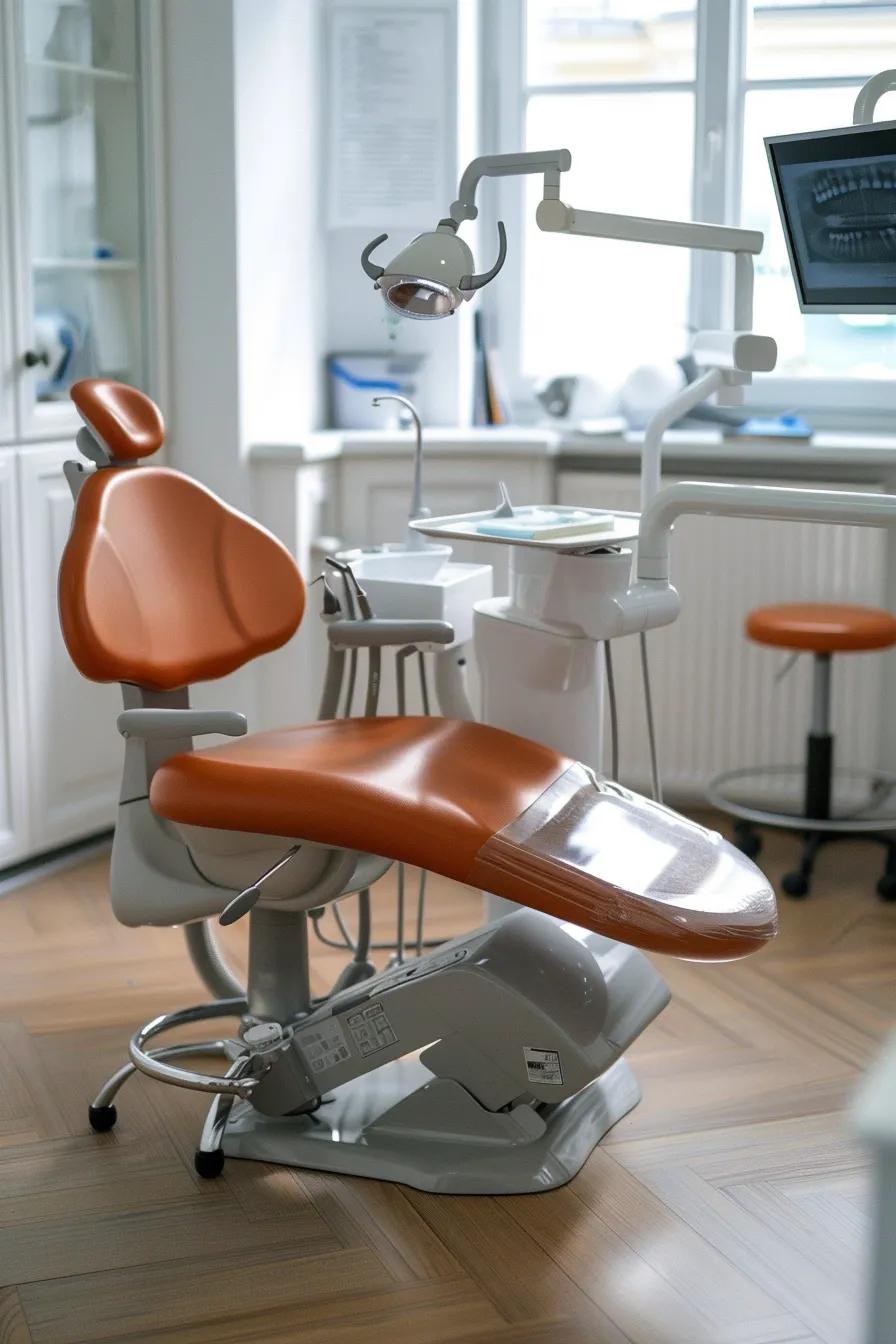
Local SEO for Australian Dental Practices: Attract More Patients
Are you missing out on new patients because your clinic doesn’t appear when locals search online? Dental practice local search optimisation ensures your practice ranks in “near me” queries, maps and local packs to drive appointment bookings and revenue growth. In this guide, you will discover why local SEO is critical for Australian dental clinics, how to master your Google Business Profile, on-site optimisation best practices, reputation management tactics, schema markup advantages, citation strategies and emerging trends for 2025 and beyond. These proven strategies help busy dentists dominate local search, enhance patient trust and partner effectively with a specialist agency like Milkcan Marketing for measurable results.
Why Is Local SEO Essential for Dental Practices in Australia?
Local SEO is the process of optimising your dental practice’s online presence so that it appears prominently in search results, maps and local listings when potential patients in your area look for dental services. By targeting location-specific keywords and managing local signals, clinics can attract more high-intent traffic, stand out in Google’s Local 3-Pack and convert searchers into bookings. For example, a Melbourne practice that aligned its website and Google Business Profile with suburb-level keywords saw a 45% increase in appointment requests within three months.
How Do Australian Patients Use Local Search to Find Dentists?
Australian patients often use mobile devices to search for “dentist near me” or “emergency dentist [suburb]” when they need fast relief or routine check-ups. Over 71% of healthcare searches in Australia include location modifiers, and 44% of clicks go to the Local 3-Pack. Many rely on map results and online reviews as primary decision factors, which means appearing in these results directly influences new patient acquisition and practice growth.
What Are the Key Local SEO Benefits for Dental Clinics?
Dental clinics that invest in local SEO enjoy measurable returns in patient inquiries, reduced cost per acquisition and sustainable organic growth. The main advantages include:
- Enhanced Visibility – Ranking in maps and local packs puts your practice in front of nearby searchers immediately.
- Improved Trust – Consistent NAP details (name, address, phone) and positive reviews build credibility before patients even visit your website.
- Higher Conversion Rates – Local traffic delivers higher appointment-booking intent, leading to more scheduled treatments.
- Competitive Edge – Clinics optimised for local search outperform competitors relying solely on paid ads or generic SEO.
| Service Focus | Local Impact | Outcome |
|---|---|---|
| Google Business Profile Optimisation | Visibility in Local 3-Pack | 50% more map views and direction requests |
| On-Page Local Keyword Targeting | Relevance for suburb-specific queries | 38% increase in organic calls and contact form submissions |
| Review Management | Trust signals in search results | 4.8 average rating improves click-through rate by 29% |
Building on these benefits, mastering mobile optimisation becomes the next critical step for patient engagement.
How Has Mobile Search Impacted Dental Local SEO in Australia?
Mobile searches now comprise 68% of all healthcare queries and deliver 33% more conversions when websites load quickly and offer tap-to-call functionality. Patients use smartphones to find opening hours, read reviews and call practices instantly. Practices that implement responsive design and optimise Core Web Vitals not only rank higher in mobile search results but also experience longer session durations and higher appointment booking rates.
How to Optimise Your Google Business Profile for Dentists in Australia?
Your Google Business Profile (GBP) is a powerful free tool that determines how your clinic appears in map results, local packs and knowledge panels. Fully optimised listings drive visibility and patient interactions—79% of local searchers engage directly with GBP elements such as calls, website clicks and requests for directions.
How Do You Claim and Verify Your Google Business Profile?
- Provide your practice address and contact details accurately.
- Choose the verification method (postcard, phone or email) offered by Google.
- Enter the verification code once received to confirm ownership.
- Complete your profile with business hours, services and photos.
Completing verification ensures you can edit critical information, respond to reviews and post updates that maintain accurate local signals.
What Are the Best Practices for Selecting Categories and Services?
Selecting the most relevant categories and services on GBP helps Google match your clinic with patient searches.
- Primary Category should be “Dentist” or a specific specialty like “Orthodontist.”
- Additional Categories might include “Cosmetic Dentist,” “Pediatric Dentist” or “Dental Implants.”
- Services Section should list treatments using patient-friendly terms, such as “Teeth Whitening,” “Root Canal Therapy” and “Emergency Tooth Extraction.”
Accurate categorisation ensures that when someone searches for a specific dental treatment near them, your practice is eligible to appear.
How Can Photos, Videos, and Google Posts Boost Your Local Visibility?
Visual content signals credibility and encourages engagement:
- Photos of your clinic exterior, treatment rooms and staff humanise your practice and appear prominently in GBP galleries.
- Videos showcasing patient testimonials or virtual tours increase on-profile dwell time and reinforce trust.
- Google Posts allow you to publish offers, blog summaries or event announcements, which appear directly in local search results.
Regularly updating visual assets and posts signals to Google that your profile is active, leading to higher rankings and click-through rates.
How Should Dentists Manage Q&A and Patient Reviews on GBP?
Actively managing the Q&A and reviews section demonstrates patient-centric care and maintains your reputation:
- Questions: Monitor and answer questions within 24 hours to provide clarity on services, fees and appointment procedures.
- Positive Reviews: Thank patients for feedback and highlight specific service strengths.
- Negative Reviews: Address concerns with empathy, offer to rectify issues and invite private follow-up.
Consistent engagement on these interactive features builds trust and encourages further positive feedback, strengthening your local SEO signals.
What Are the Best On-Site SEO Practices for Dental Websites to Improve Local Rankings?
Optimising your website ensures search engines recognise your clinic as the top local solution. On-site SEO has four key pillars: targeted keywords, on-page elements, technical performance and user experience.
How to Conduct Local Keyword Research for Dental Practices?
Effective keyword research for dental clinics combines geography with service intent. Use tools like Google Keyword Planner and localised search queries to identify high-volume terms such as “family dentist Sydney,” “dental implant cost Melbourne” or “emergency dentist Brisbane.” Prioritise long-tail keywords that reflect patient phrases including suburb names and treatment types to capture qualified traffic.
What On-Page Elements Should Dentists Optimise?
Dental websites must feature keywords strategically in:
- Title Tags: Include primary service and location, e.g., “Cosmetic Dentist Brisbane | Whitening & Veneers.”
- Meta Descriptions: Summarise services and add a call-to-action, “Book your free consultation today.”
- Headings (H1–H3): Break content into clear sections, each optimised around specific treatments or local queries.
- Body Content: Naturally weave location terms and service details, avoiding keyword stuffing.
Optimised on-page elements signal relevance to search engines and improve click-through rates.
Why Is Mobile-Friendliness and Page Speed Critical for Dental SEO?
Responsive design ensures every page adapts to all devices, while fast loading times reduce bounce rates. Core Web Vitals like Largest Contentful Paint (LCP < 2.5 s) and Cumulative Layout Shift (CLS < 0.1) are ranking factors that directly affect your visibility. Clinics that prioritise performance can convert more mobile visitors into appointment bookings.
How Does User Experience (UX) Influence Local Search Performance?
Intuitive navigation, clear service descriptions and prominent “Book Now” buttons guide patients through the conversion funnel. Engaging content—patient stories, treatment walkthroughs and FAQs—reduces friction and encourages longer session durations. Enhanced UX fosters lower bounce rates, signalling to search engines that your site delivers valuable information.
How Can Dental Practices Build and Manage a Strong Online Reputation?
A stellar reputation drives trust and influences prospective patients.
Reputation Management for Dentists
A strong online reputation is crucial for dental practices, as a significant majority of potential patients, estimated at over 86%, rely on internet reviews and testimonials when selecting a dentist. Effective management of online feedback, both positive and negative, builds trust and enhances a practice’s credibility and search engine rankings.
This verifies the importance of online reviews and reputation management as discussed in the article, including the statistic on patient reliance on reviews for dental clinic selection.
What Are Effective Strategies to Encourage Patient Reviews?
- Post-Appointment Emails – Send a personalised link to leave a Google review.
- In-Office Signage – Display QR codes linking directly to your review page.
- Staff Training – Ask satisfied patients for feedback at the end of positive visits.
A steady influx of reviews shows search engines that your practice is active and valued, improving local ranking positions.
How Should Dentists Respond to Positive and Negative Reviews?
- Positive Feedback: Express gratitude and briefly mention related services to reinforce practice strengths.
- Constructive Criticism: Acknowledge the concern, apologise for any inconvenience and outline corrective steps.
Balancing humility with confidence in replies indicates to search algorithms and patients that you prioritise quality and continuous improvement.
Which Review Platforms Matter Most for Australian Dental Clinics?
- HealthEngine
- HotDoc
- Whitecoat
Maintaining consistent, up-to-date profiles on these platforms diversifies your review portfolio and amplifies trust signals across patient touchpoints.
How Does Structured Data and Schema Markup Enhance Dental Local SEO?
Schema markup provides search engines with explicit details about your practice, increasing the chance of rich results such as knowledge panels, service snippets and review stars.
What Schema Types Are Essential for Dental Practices?
Dental clinics should implement:
- LocalBusiness/Dentist – Identifies your practice and location.
- Service – Describes treatments offered (e.g., “Orthodontics,” “Teeth Whitening”).
- Review – Encapsulates patient ratings and testimonials.
- FAQPage – Structures common questions for PAA enhancement.
Schema Markup: The Hidden SEO Advantage Most Dental Practices Are Missing
Research indicates that websites implementing schema markup can experience a significant increase in click-through rates (CTR), with some studies showing a 30% rise. This structured data helps search engines better understand a dental practice’s services, pricing, and reviews, leading to enhanced visibility and rich search results.
This research directly supports the article’s section on schema markup advantages and its impact on visibility and click-through rates for dental practices.
How to Implement Structured Data for Rich Snippets and Knowledge Panels?
- Define your practice as a Dentist with name, address, telephone and openingHours.
- Embed Service entries listing each treatment with descriptions.
- Include Review objects containing patient rating values and review text.
Proper implementation increases the likelihood of enhanced SERP features such as star ratings and service lists.
What Are the Benefits of FAQPage Schema for Dental SEO?
FAQPage schema formats question-and-answer pairs so Google can display expandable FAQs in search results, addressing patient queries instantly. This feature improves click-through rates, reduces uncertainty and reinforces your practice’s expertise in local search environments.
What Are the Most Effective Local Citation and Link Building Strategies for Dentists?
Strong local signals and authoritativeness depend on citations and backlinks from reputable sources within your community.
Which Australian Directories Should Dental Practices Use?
Dental clinics should secure consistent listings on:
- HealthEngine
- HotDoc
- Yellow Pages
- True Local
- Local council business directories
| Directory | Listing Feature | Benefit |
|---|---|---|
| HealthEngine | Appointment booking | Direct patient scheduling |
| HotDoc | Patient communication | Automated reminders and follow-ups |
| Yellow Pages | Business description | Expands local reach in broader searches |
Maintaining synchronization among these listings ensures maximum citation authority.
How to Ensure NAP Consistency Across All Listings?
- Audit every listing quarterly.
- Use identical formatting and abbreviations.
- Update any practice relocations or new phone numbers immediately.
Uniform citations reinforce your clinic’s identity and improve local ranking stability.
What Local Link Building Tactics Work Best for Dental Clinics?
- Community Partnerships – Sponsoring local sporting clubs or school events with backlinks from partner websites.
- Educational Content – Publishing oral health guides on community portals.
- Guest Posts – Contributing expert articles to local health blogs and news outlets.
These relevant links signal your practice’s community involvement and domain authority.
What Emerging Trends Will Shape Dental Local SEO in 2025 and Beyond?
Staying ahead of technological and behavioural shifts keeps your practice competitive in local search.
How Is AI Transforming Dental Marketing and Local SEO?
AI Revolution in Dental Marketing: Transforming Strategies
Artificial Intelligence is transforming dental marketing by automating tasks like content creation and patient communication, leading to improved patient insights and personalization. Concurrently, the rise of voice search necessitates optimizing for conversational queries, as voice assistants prioritize concise, structured answers, impacting how patients discover and book healthcare services.
This supports the article’s discussion on emerging trends, specifically the impact of AI on marketing and the growing importance of voice search for attracting local dental patients in Australia.
What Role Does Voice Search Play in Attracting Local Dental Patients?
With growing use of voice assistants, optimising for conversational queries like “Hey Google, find a 24-hour dentist near me” becomes essential. Practices should incorporate question phrases and natural language in content and FAQs to capture these voice-driven searches.
How Can Video Content Enhance Local SEO for Dental Practices?
Short, location-tagged videos showcasing patient testimonials, treatment walkthroughs or virtual office tours appear in video carousels and boost on-page dwell time. Embedding these clips on your website and sharing via Google Posts strengthens local relevance and engagement metrics.
Achieving sustained growth in patient inquiries and clinic revenue requires a comprehensive local SEO approach. By mastering your Google Business Profile, optimising your website, building a robust reputation, implementing schema markup and leveraging citations, you position your practice at the forefront of local search. Partnering with a specialist agency like Milkcan Marketing ensures these strategies are executed efficiently and deliver measurable returns. Ready to dominate local search and attract more patients? Contact our team today for a personalised consultation and take the first step toward accelerated practice growth.