
Optimising for Voice Assistants

Voice Search SEO for Australian Healthcare Providers
Voice search optimisation means tuning your clinic’s online presence so voice assistants—Google Assistant, Siri and Alexa—can understand spoken queries and give short, useful answers that lead to calls, bookings or enquiries. More Australian patients now use conversational, local queries like “dentist near me open now” or “physiotherapist weekend appointment”, so voice optimisation helps with patient access and acquisition. This guide walks through how voice assistants work, practical local SEO actions for clinics, how to write conversational content that voice assistants favour, plus the structured data and measurement techniques suited to healthcare. Inside you’ll find clear checklists, schema comparisons, sample voice queries and KPIs clinics can use without heavy technical skills. Later sections explain how Milkcan Marketing’s Local SEO, Content Marketing and Analytics services turn these tactics into measurable improvements.
What Is Voice Search Optimisation and Why Does It Matter for Healthcare Practices?
Voice search optimisation is shaping website content, local listings and technical signals so voice assistants choose your clinic as the concise, correct answer to spoken questions. Assistants use speech‑to‑text, natural language processing and SERP answer selection to return a single short response—often from featured snippets or the local pack—so clarity and structured facts matter. For healthcare providers this is especially important because many patient queries are time‑sensitive (appointments, directions, urgent advice) and voice answers can convert straight into phone calls or bookings. Clinics that optimise for voice increase accessibility, capture high‑intent local traffic and remove friction for patients who need care quickly. Understanding how voice systems favour brief, authoritative answers leads into the practical local behaviours we cover below.
How Do Voice Assistants Like Siri, Google Assistant, and Alexa Work?
Voice assistants turn spoken words into text, use NLP to identify intent, then pull a short answer from indexed content or local knowledge panels. First, speech recognition converts an utterance into probable phrases; next, NLP maps those phrases to an intent (for example, “book appointment” or “find a dentist”); finally, the assistant selects a concise response, often from a featured snippet, your Google Business Profile or structured data like FAQPage schema. For clinics that means pages and profiles that match user intent and show explicit facts—hours, services, booking links—are more likely to be used. Knowing these stages explains why tidy pages, clear service names and structured attributes improve your chances of becoming the spoken answer.
Why Is Voice Search Important for Local Healthcare Providers in Australia?
Voice search is heavily local and mobile, and many queries imply immediacy—“near me”, “open now” or symptom‑driven requests—so local clinics benefit when their site and listings mirror those conversational patterns. Australians use voice to find nearby clinics, check opening hours and ask about common treatments, so optimising Google Business Profile descriptions, service names and local landing pages captures higher‑value queries. On‑the‑move behaviour turns a quick voice query into a phone call or booking; voice‑friendly content reduces friction and lifts conversion. Because voice queries are conversational, matching your copy to typical Australian phrasing and local place names helps you show up in both voice and standard search results.
How Can Local SEO Improve Voice Search Visibility for Dentists and Physiotherapists?
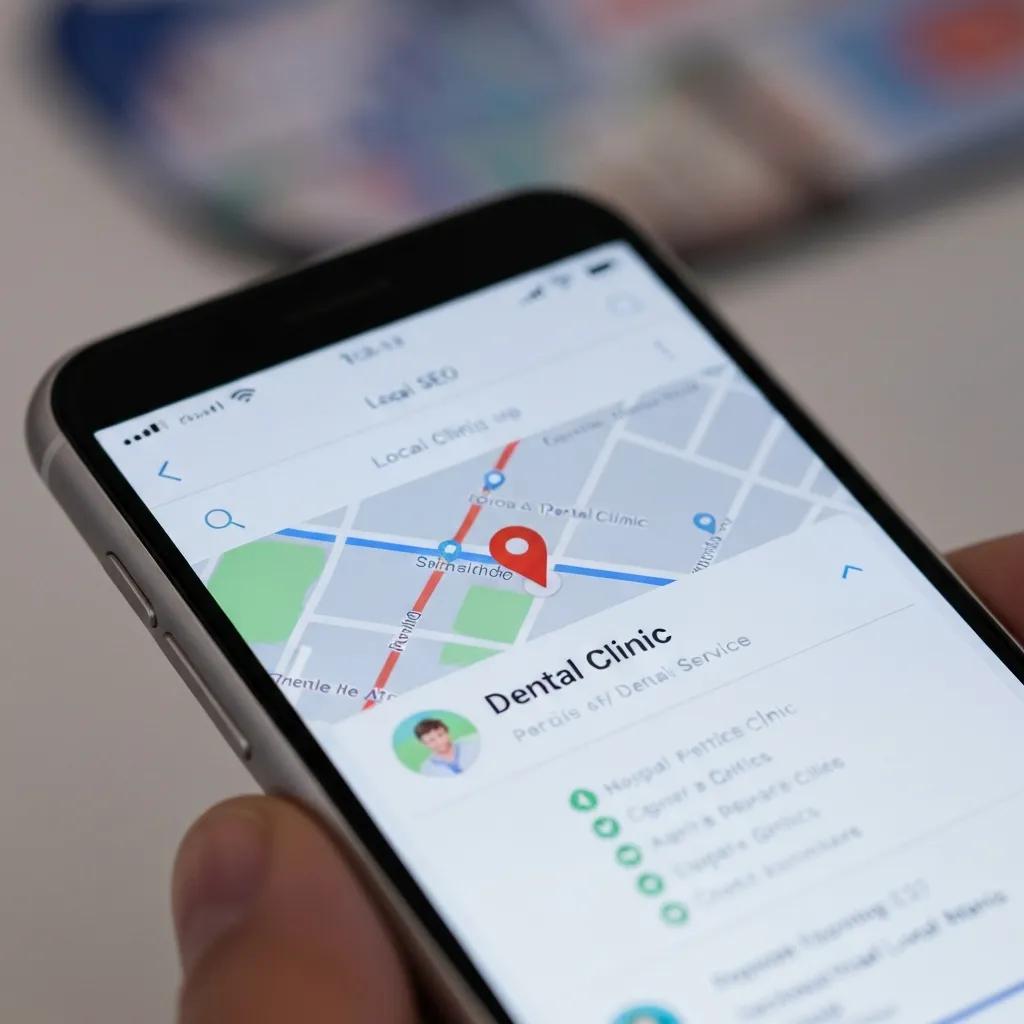
Local SEO boosts voice visibility by making your clinic’s core facts—location, services, hours and reviews—explicit and consistent across the web, which voice assistants rely on to answer local queries. Practical local SEO for voice focuses on optimising your Google Business Profile, keeping NAP consistent, expanding service listings with conversational names, and encouraging review content that contains useful service and location terms. The checklist below breaks down the GBP steps that most directly feed voice triggers and geo‑modified content strategies.
The following checklist summarises high‑impact Google Business Profile best practices that influence voice answers.
- Fill every relevant Google Business Profile field, using precise service names and short, clear service descriptions.
- Write the business description and Q&A in natural, conversational language so voice assistants can match spoken queries word for word.
- Encourage patients to leave reviews mentioning the service and suburb, and reply to reviews to strengthen local relevance.
These actions improve the quality and completeness of local data voice assistants use, and they feed directly into local content and citation work that further boosts voice discoverability.
What Are the Best Practices for Google Business Profile Optimisation for Voice Search?
Start with completeness: list all services, choose accurate categories and keep the business description short and conversational. Use service fields with natural‑language descriptions—phrases like “dental emergency appointments” or “physiotherapy weekend sessions” mirror how people speak and increase match probability. Add posts and Q&A entries that answer common voice questions in one or two sentences, and ask for reviews that reference treatments and location. These straightforward updates give voice assistants the clear facts they need to deliver answers that drive calls and bookings.
How Do “Near Me” and Geographic Keywords Boost Local Voice Search Rankings?
“Near me” and geo‑modified phrases signal strong local intent, often triggering local pack results or GBP‑based answers for nearby clinics. To leverage this, include natural geo entities on service and location pages—suburbs, landmarks and commonly used place names—while avoiding keyword stuffing and keeping the language conversational. Keep citations consistent across directories so assistants trust your location signal, and add location‑specific FAQ entries to capture common spoken queries for each site. These content and citation patterns improve local relevance and make it more likely your clinic is the voice answer for proximity searches.
How Do You Create Conversational SEO Content That Works for Voice Assistants?
Conversational SEO matches how people actually speak: use question‑style headings, give short direct answers up front, then add a brief expansion, and include natural long‑tail phrases that reflect patient intent. Voice assistants favour concise, authoritative answers that solve the query and offer a clear next step—call, book or get directions. Below we define useful query types, offer sample conversational phrases clinics can use verbatim, and provide a simple template for writing FAQs that are both voice‑friendly and conversion focused.
The table below maps query types to user intent and gives practical example phrases clinics can use on site pages or FAQs to capture voice traffic.
| Query Type | User Intent | Example Phrase |
|---|---|---|
| Informational | Understand symptoms or treatment basics | “What causes sharp tooth pain and when should I see a dentist?” |
| Navigational | Find a local clinic or service | “Dentist near me open on Saturday” |
| Transactional | Book or call for an appointment | “Book a physiotherapy appointment this week” |
This mapping helps content teams turn common voice queries into searchable headings and short answers voice assistants can surface. Use the examples as the lead answer, then expand with a sentence or two that nudges the user to call or book.
What Are Long-Tail Keywords and Question-Based Phrases for Voice Search?
Long‑tail keywords for voice are multi‑word, conversational questions or commands that show clear intent—symptoms, treatment choice or immediate booking needs. Examples for clinics include “how long does a dental filling take”, “best physiotherapy for knee pain near me”, and “chiropractor open after hours”. Gather these from patient FAQs, Google’s People Also Ask and your GBP questions to build an evidence‑led list. Then map each query to the right page type—blog, FAQ or service landing page—so there’s a concise answer ready for voice assistants to use.
Frequently Asked Questions
What are the key differences between voice search and traditional search?
Voice search is more conversational and question‑driven than typed search. People speak naturally—“What are the symptoms of a cold?”—rather than typing short keyword phrases like “cold symptoms.” That means clinics should adapt content to be question‑based, give clear short answers, and structure pages so voice assistants can pull concise responses.
How can clinics ensure their content is voice search-friendly?
Make content natural and question‑led. Put a short, direct answer at the top of each FAQ or page, then add a brief expansion for context. Include long‑tail phrases that reflect real patient language, keep content updated, and use schema markup so voice assistants can find machine‑readable answers.
What role do patient reviews play in voice search optimisation?
Reviews help a lot. They build local relevance and credibility—voice assistants sometimes draw on review content to answer service‑based queries. Encourage detailed reviews that mention the treatment and suburb, and reply to reviews to show engagement; both actions improve your local signal.
How often should clinics update their Google Business Profile for voice search?
Keep your Google Business Profile current. Monthly reviews and updates are a good rhythm—add posts, answer Q&A, update hours and prompt new reviews. Regular activity signals freshness and improves visibility for voice queries.
What are some common mistakes to avoid in voice search optimisation?
Avoid using awkward keyword phrases instead of real language, and don’t neglect local SEO. Failing to implement schema markup or leaving GBP fields incomplete reduces your chance of being used as the voice answer. Also avoid keyword stuffing—clarity and helpfulness always win.
How can clinics measure the effectiveness of their voice search strategies?
Track visibility and conversion signals: impressions for conversational queries, featured snippet or local pack appearances, GBP interactions (calls, direction requests, bookings) and conversions from voice‑optimised pages. Tools like Google Search Console, GBP insights and GA4 event tracking help you see what’s working and where to tweak content.
What future trends should healthcare practices watch for in voice search?
Watch for more voice use in telehealth, appointment booking and symptom triage. AI and machine learning will keep improving answer accuracy, so staying on top of schema, speakable content and patient experience will keep clinics discoverable and accessible by voice.
What Role Does Structured Data and Schema Markup Play in Voice Search Optimisation?
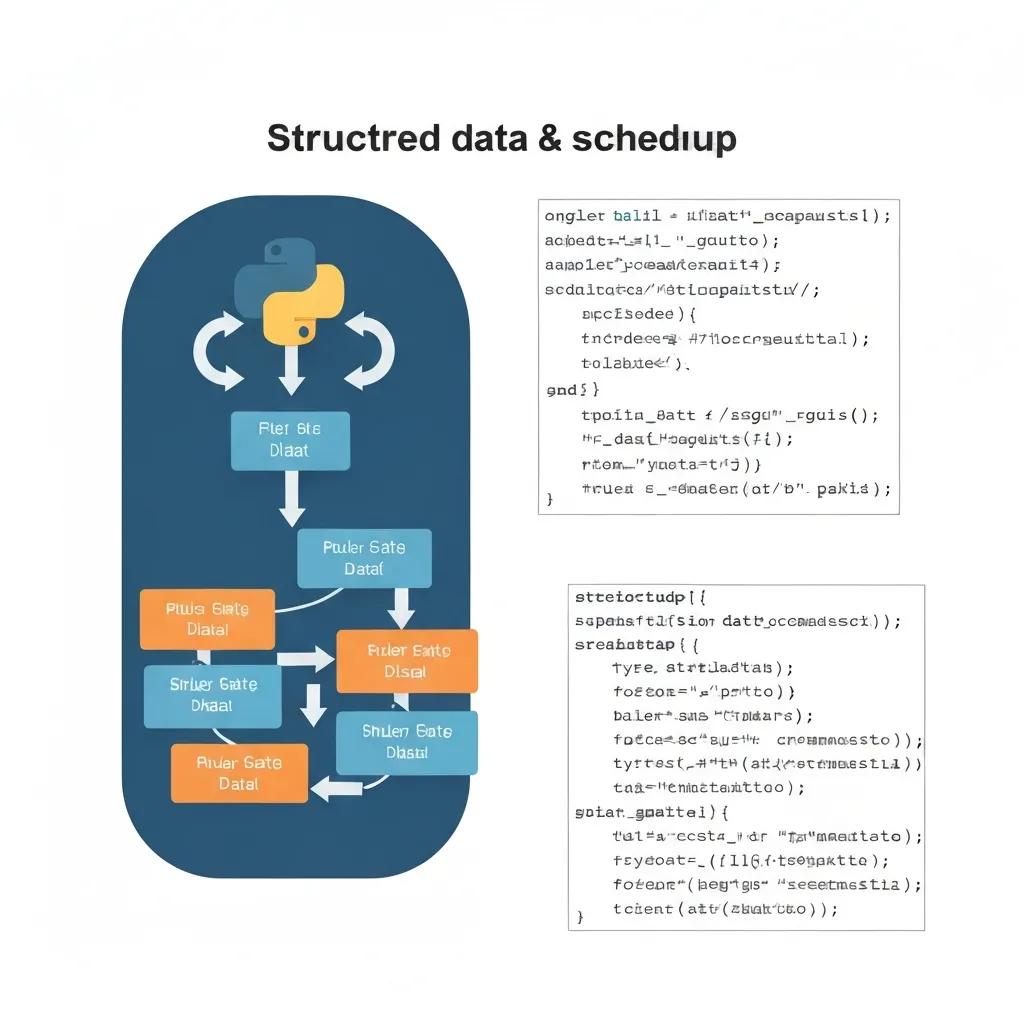
Structured data and schema markup label the key entities and attributes on your pages—clinic name, openingHours, services and acceptedAnswer—so voice assistants and search engines can pick the right answer faster. Adding JSON‑LD for LocalBusiness, Service and FAQPage signals exact facts that cut ambiguity for NLP systems and increase eligibility for featured snippets and knowledge panels. The table below compares useful schema types for healthcare practices, the critical attributes to include and why each helps voice assistants select your content as an answer.
Different schema types serve different purposes and each adds clarity that benefits voice assistants.
| Schema Type | Key Attributes | Why It Helps Voice Assistants |
|---|---|---|
| LocalBusiness / MedicalBusiness | name, address, geo, openingHours, telephone | Provides core entity facts voice assistants use for direct answers and local pack listings |
| Service | name, serviceType, audience, provider | Connects treatment names to structured entries so assistants can match spoken queries |
| FAQPage | mainEntity (Question/Answer pairs) | Packages direct answers in a machine‑readable format assistants can read aloud |
| Speakable / WebPage | xpath or cssSelector pointing to speakable text | Flags short, high‑quality passages suitable for voice narration |
Adding and validating these schema types improves the precision of the facts voice assistants use and raises the chance your content becomes the single spoken answer. After implementation, test your markup with validation tools to confirm properties are correct and error‑free.
Milkcan Marketing includes schema and structured data in our Local SEO and Content packages, ensuring clinic pages and FAQs use the right types and properties. That closes the gap between planning and validated markup voice assistants can consume; more on our approach appears in the Milkcan Marketing section below.
Which Schema Types Should Healthcare Practices Use for Voice Search?
Prioritise LocalBusiness (or MedicalBusiness), Service and FAQPage schema. LocalBusiness supplies the NAP and openingHours voice assistants frequently surface for local queries, Service maps spoken treatment names to structured entries, and FAQPage packages concise question‑and‑answer pairs in a format assistants prefer. Implement these via JSON‑LD and test them with rich results and schema validation tools so voice assistants can read and trust the data.
How Does Structured Data Help Voice Assistants Understand Your Practice?
Structured data converts human‑readable copy into discrete attributes—like “openingHours” or “acceptedAnswer”—that voice assistants can index and prioritise when constructing short spoken responses. A well‑formed LocalBusiness schema combined with an accurate GBP makes it more likely an assistant will use your entity for “near me” or time‑sensitive queries. Good schema reduces ambiguity in NLP matching by explicitly stating what you do, where you are and when you’re open, so assistants can select a concise answer instead of a longer page. After applying schema, validate and monitor results to confirm improvements in featured snippets and knowledge panel signals.
How Can Healthcare Practices Measure and Monitor Voice Search Success?
Measure voice search success by tracking visibility and local conversion signals—impressions for conversational queries, featured snippet or local pack appearances, GBP interactions (calls, direction requests, bookings) and conversions from voice‑optimised landing pages. These KPIs show whether voice discovery turns into patient actions and guide iterative improvements. The table below pairs common KPIs with the recommended tools and metrics clinics should use to monitor voice outcomes.
Trackable KPIs pair with tools that expose query‑level and local interaction data.
| KPI | Description | Tool / Metric |
|---|---|---|
| Voice/long-tail impressions | Visibility for conversational queries | Google Search Console query reports |
| Featured snippet/local pack wins | Instances where a concise answer was shown | Rank tracking tools and SERP feature reports |
| GBP interactions | Click‑to‑call, direction requests, bookings | Google Business Profile insights and local tracking tools |
| Conversion rate from voice pages | Share of visitors who call or book after landing on voice‑optimised pages | GA4 event tracking and goal funnels |
| Review growth & sentiment | Volume and content of reviews that reference services and locations | Reputation management dashboards |
Review these KPIs monthly to spot trends in voice discovery and conversion, and to identify which FAQs, service names or GBP fields need updating. Ongoing monitoring helps clinics prioritise the small changes that have the biggest voice impact.
Milkcan Marketing’s analytics and reporting packages can operationalise these measurements by combining GSC insights, GBP interaction data and local rank tracking into a single monthly report. We translate voice KPIs into clear actions—like which FAQs to write or which service descriptors to update—so clinics can close the loop from discovery to booking.
How Does Milkcan Marketing Support Voice Search Optimisation for Australian Healthcare Practices?
Milkcan Marketing aligns services to the voice optimisation steps above: Local SEO and Google Business Profile management to ensure entity accuracy, Content Marketing to write conversational FAQs and long‑tail pages, Technical SEO to implement schema and speakable elements, and Analytics & Reporting to measure voice KPIs. We start with an audit of your GBP and site content to find gaps in service naming, FAQ coverage and structured data, then move to implementation and monthly reporting so you can see measurable improvement. Our focus is affordable, practical local growth for small dental and healthcare practices across Australia, with transparent pricing and no lock‑in contracts.
Our delivery model for voice‑led local growth typically follows three phases: audit, implementation and reporting. The audit inventories GBP completeness, FAQ coverage and schema; the implementation phase applies content updates, JSON‑LD markup and citation corrections; the reporting phase measures impressions, GBP interactions and conversion changes. These phases create a repeatable path from optimisation to measurable patient acquisition.
What Local Voice Search Strategies Does Milkcan Marketing Offer?
We focus on the actions that drive voice visibility for clinics: GBP optimisation with conversational service names, question‑led FAQ content marked up with FAQPage schema, structured data for LocalBusiness and Service types, targeted review growth strategies, and analytics‑driven reporting. Our work suits small clinics—clear, affordable tactics that fit tight budgets—while matching the voice SEO mechanics described above. For clinics that want support, Milkcan turns strategy into an operational programme to win voice answers.
How Have Australian Clinics Increased Patient Bookings Through Voice SEO?
Where case studies exist, gains come from focused changes: updating GBP service names and adding short FAQ answers often increases calls and direction requests within weeks, while adding FAQPage schema and targeted content can improve featured snippet eligibility and organic visibility. Typical, conservative outcomes include measurable lifts in GBP calls and higher conversion rates on voice‑optimised landing pages. Clinics that combine optimisation with review growth and monthly analytics adjustments see the most reliable progress; practice owners can request an audit to uncover tailored opportunities.
Conclusion
Optimising for voice search is a practical way for Australian healthcare practices to improve patient access and capture high‑intent local traffic. By applying focused local SEO, conversational content and the right schema, clinics make it easier for voice assistants to recommend them—leading to more calls, bookings and patient engagement. If you want help turning these tactics into measurable results, our tailored services are designed to get small clinics visible and converting in the voice search era.