Software Solutions for Marketing Automation
Australian Healthcare Marketing Automation: Win & Engage Patients
Marketing automation for healthcare uses software to take routine patient communications, appointment workflows, recall campaigns and local discovery tasks off your team’s plate so clinics pick up patients faster and keep them coming back. This guide shows how core tools — CRM systems, automated SMS/email reminders, online booking links and reputation-management workflows — work together to turn local search interest into confirmed appointments for small clinics. Many dental, physio and chiro practices struggle with uneven bookings, high no-shows and limited marketing time; the right automation reduces admin, improves patient communication and gives you measurable campaigns that actually move the needle. Below you’ll find clear definitions, feature checklists, dental-specific CRM flows, therapy-focused engagement tactics, local SEO and reputation automation ideas, ROI metrics and a step-by-step implementation playbook designed for Australian clinics. We also note compliance-aware approaches and service options that let practices adopt automation without a heavy technical lift.
What Are Healthcare Marketing Automation Software Solutions and Why Do They Matter?
Healthcare marketing automation platforms are bundled systems that combine CRM contact records, automated communications (email/SMS), scheduling modules and reputation tools to manage the patient lifecycle — from first contact to recall. They operate on triggers (new lead, missed appointment, recall window) that launch workflows — automated messages, calendar events and reports — which remove friction and lift booking conversion. The core value is measurable efficiency: more bookings, fewer no-shows and better patient retention without adding staff hours. With more patients finding and reviewing clinics online, automation that links discovery channels to booking flows has a direct, positive impact on revenue and local visibility.
Automation delivers several immediate benefits:
- More bookings: Automated lead capture and nurture turn more local searches into appointments.
- Fewer no-shows: SMS and email reminders sent on a clear cadence reduce missed visits.
- Stronger retention: Recall and reactivation sequences increase lifetime value.
Below we break these components into their operational roles so practices can match features to real outcomes before reviewing integrations and examples.
The following table defines common automation components and the typical outcomes clinics can expect from each.
| Automation Component | Primary Benefit | Typical Outcome |
|---|---|---|
| Automated Reminders (SMS/Email) | Reduce missed appointments | No-show rate decreases; improved clinic utilisation |
| CRM Contact Records | Centralised patient data and segmentation | Faster recall targeting and personalised campaigns |
| Online Booking Integration | Immediate conversion from search to appointment | Higher same-week bookings |
| Review Request Automation | Increase review volume and local trust | Improved local ranking and referral rates |
Use this table to translate platform features into operational goals — it makes the benefits of automation easier to visualise before you test workflows in your clinic.
How Does Marketing Automation Streamline Patient Acquisition and Engagement?
Marketing automation maps the patient journey into repeatable, trigger-driven sequences that capture interest, nurture leads, convert bookings and keep patients coming back. The process is straightforward: capture contact details (website forms, Google Business Profile messages), tag and segment by intent or condition, then apply tailored nurture sequences — welcome messages, pre-appointment forms, reminders and post-visit follow-ups. This reduces one-off manual follow-ups and guarantees consistent, timely touchpoints that lift conversion and patient satisfaction.
- Lead capture & segmentation: Web and GBP forms feed the CRM and tag patients by service or need.
- Nurture workflows: Scheduled emails/SMS educate and nudge patients toward booking at the right time.
- Conversion & retention: Integrated booking links and recall sequences turn interest into appointments and return visits.
Practices that follow these flows typically see faster lead-to-booking times and improved retention because automation enforces timely, relevant communication instead of relying on ad-hoc manual outreach.
What Are the Key Features of Marketing Automation Software for Healthcare Practices?
The best systems focus on contact management, compliance and measurable outcomes. Look for a CRM with segmented contact lists, online booking (native or integrated), templated email/SMS campaigns, automated review requests and dashboards that track acquisition and operational KPIs. In Australia, privacy and consent are non-negotiable — automation must log opt-ins and respect communication preferences to stay AHPRA-aware. Dashboards should surface bookings, conversion rates and no-show metrics so clinics can tie revenue to campaigns and optimise spend.
- CRM / contact management: consolidated patient records with tags and consent fields.
- Automated communications: reusable templates for reminders, recalls and follow-ups.
- Scheduling & calendar sync: two‑way booking updates to prevent double bookings.
- Reputation automation: post-visit review prompts and monitoring workflows.
- Analytics & reporting: campaign attribution and performance dashboards.
Combined into practical workflows, these features free staff time and improve the patient experience. Next we look at how they apply to dental clinics in Australia.
Which Software Solutions Best Support Dental CRM and Patient Acquisition in Australia?

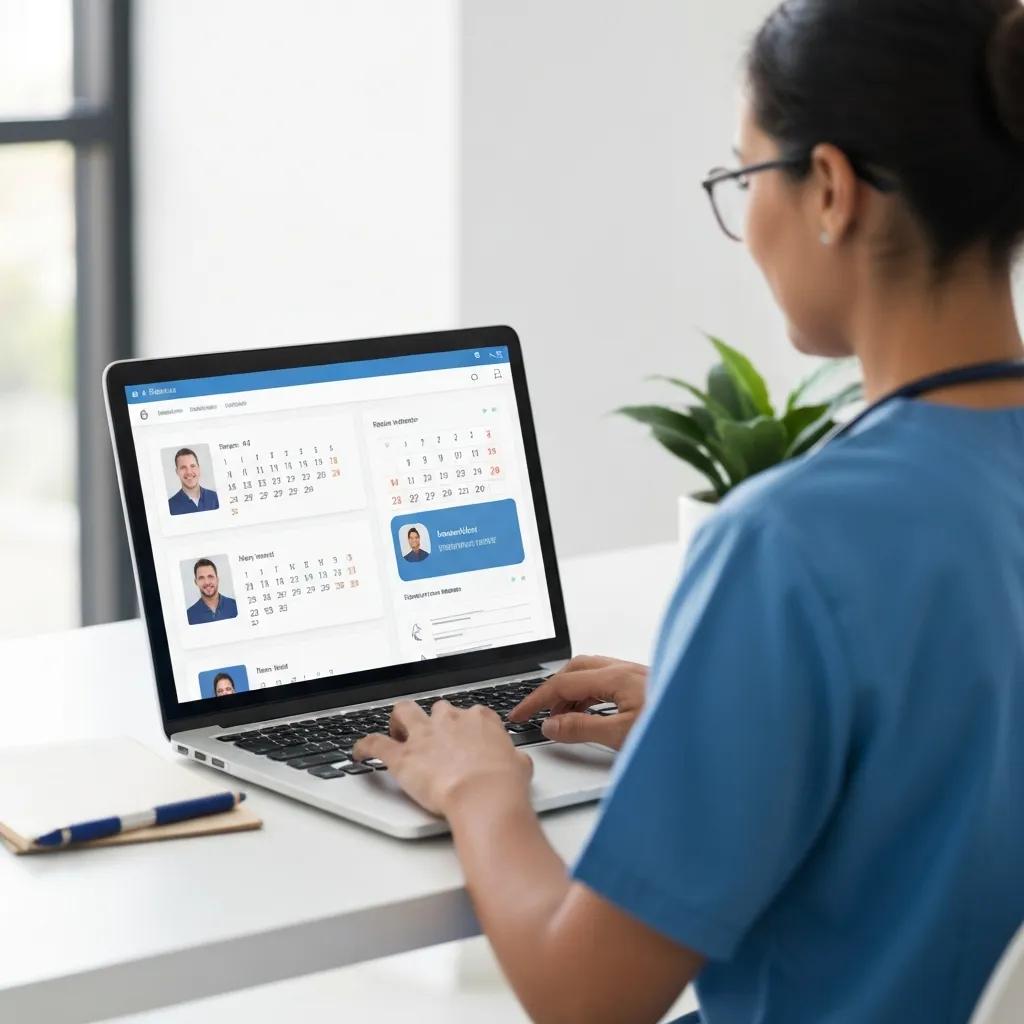
Dental practices need CRM capabilities that prioritise recalls, treatment-plan follow-ups, online consent and straightforward booking. A strong dental automation stack includes rule-based recall cadences, online booking that syncs with practice calendars, SMS-first reminders for immediacy and review-generation flows that lift local reputation. In Australia, where mobile-first search and local listings drive appointment intent, automating the path from discovery to booking prevents lost opportunities and preserves patient intent.
Common dental CRM features and their measurable outcomes include:
- Automated recall rules: treatment-based schedules trigger reminders and recall letters.
- Online booking & calendar sync: one-click booking links reduce friction and staff workload.
- Review request automation: polite post-visit prompts increase Google Reviews and local trust.
The table below maps CRM features to dental outcomes and example metrics to help prioritise during procurement.
| CRM Feature | How it Helps Dental Clinics | Practical Example / Metric |
|---|---|---|
| Recall Automation | Ensures timely hygiene recalls and restorative check-ups | 20-30% uplift in recall attendance |
| Online Booking | Converts website/GBP visits into appointments with real-time slots | Increase in same-week bookings by 15% |
| SMS Reminders | High open-rate channel for immediate notifications | No-show rate reduced by 25% |
| Review Automation | Systematic requests boost review volume and local ranking | 40% increase in monthly Google Reviews |
These mappings make it simpler for practice owners to select systems that directly affect revenue and patient flow. If a clinic lacks technical capacity, a service partner can operationalise workflows so clinicians don’t have to manage integrations themselves.
If you prefer an agency-led rollout, Milkcan Marketing can set up campaign templates, design recall cadences and connect local acquisition channels so clinics get the benefits of automation without buying or managing complex software. That approach attracts small healthcare owners by demonstrating clear expertise and value, and it typically leads to service enquiries and onboarding.
How Do Dental CRM Software Solutions Automate Patient Recall and Appointment Scheduling?
Dental recall automation uses rule-based triggers to create personalised outreach at set intervals, cutting down on manual recall admin. A typical flow tags patients by last treatment date, sends a recall message (SMS/email) at the right time and includes a one-click booking link that syncs with the practice calendar. This reduces admin, increases timely hygiene visits and supports treatment continuity and revenue.
- Define recall rules by treatment type and time-since-last-visit.
- Trigger automated messages with booking links and consent logging.
- Escalate unresponsive patients to additional outreach or phone follow-up.
Test cadences — for example, an initial reminder six weeks before due, a follow-up two weeks later and a final SMS three days before the suggested booking window — to find the balance that maximises bookings without over-communicating.
What Are the Benefits of Automated Dental Marketing Campaigns and Review Requests?
Automated dental campaigns and review requests accelerate reputation growth, referrals and downstream revenue. Post-visit sequences that pair aftercare information with a gentle review ask get better response rates and stronger local search signals. Using compliance-aware templates keeps review requests professional and aligned with AHPRA guidance.
- Increased review volume improves local ranking and trust signals.
- Automated upsell campaigns (for example, whitening follow-ups) raise average transaction value.
- Reactivation sequences bring lapsed patients back, improving lifetime value.
Together, these automations create a steady stream of social proof and incremental revenue through timely, relevant messaging.
How Can Physiotherapy and Chiropractic Practices Use Marketing Automation Software Effectively?

Physio and chiro clinics get the most from automation when it supports hands-on care — delivering education, rehab reminders and outcome tracking. Systems that send post-visit exercise plans, appointment reminders and satisfaction surveys reduce drop-off and help measure treatment effectiveness. In therapy settings automation focuses on sustained engagement and adherence instead of one-off bookings.
Effective automation approaches for therapy practices include:
- Automated post-visit education sequences that reinforce home-exercise adherence.
- Scheduled follow-ups to check progress and prompt next appointments.
- Targeted reactivation campaigns for patients who completed a course of care.
These workflows improve clinical outcomes while supporting marketing goals: satisfied patients are more likely to refer and review your clinic.
What Marketing Automation Tools Improve Patient Communication for Physiotherapy Clinics?
Platforms that combine SMS, email and in-platform content delivery work well for physio communication — they let you send timely exercise reminders and quick progress check-ins. Automated post-session messages that include a short exercise video and a survey make it easy for clinicians to track adherence and capture feedback for continuous improvement.
- Post-visit sequences deliver tailored rehab instructions and reminders.
- Automated appointment reminders reduce late cancellations and no-shows.
- Satisfaction surveys trigger referral and review requests for highly satisfied patients.
Measure adherence, completed session counts and promoter-style feedback to verify program effectiveness and refine message timing.
How Does Automated Patient Engagement Enhance Chiropractic Marketing Services in Australia?
Automated engagement for chiropractors uses educational nurture sequences and regular check-ins to maintain treatment adherence and encourage referrals. By mapping typical journeys — initial consult, short-course care, maintenance visits — automation delivers the right information at the right time: exercise tips early, maintenance scheduling later, and review requests after noticeable improvement.
- Educational nurture sequences increase perceived value and adherence.
- Automated review and referral prompts amplify local word-of-mouth.
- Segmented campaigns bring patients back for maintenance, lifting lifetime value.
These automations support outcomes and create predictable marketing channels that feed local discovery and bookings.
What Role Does Local SEO and Reputation Management Software Play in Healthcare Marketing Automation?
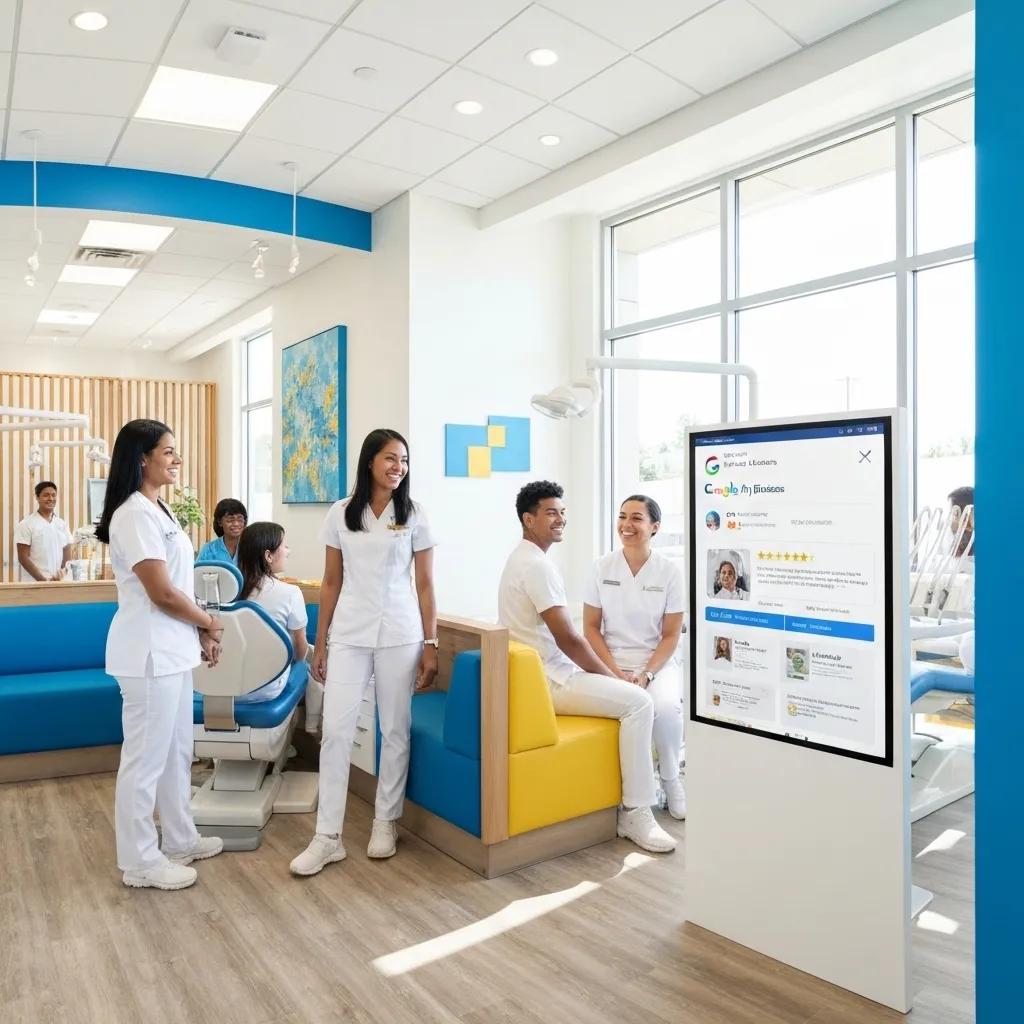
Local SEO and reputation tools automate the routine work that keeps a clinic visible and trusted in local search — a major driver of appointment intent. Automated systems can schedule Google Business Profile (GBP) updates, prompt reviews after visits, manage citation consistency and monitor sentiment. The connection is simple: recent positive reviews and active GBP updates improve local ranking and increase click-to-call or click-to-book actions.
Primary automated local discovery workflows include:
- Scheduled GBP posts and offers to keep listings fresh.
- Post-visit review prompts tied to patient satisfaction scores.
- Citation audits and correction workflows to maintain NAP consistency.
The practical outcome is more qualified local traffic and a higher conversion rate from search impressions to bookings.
How Does Automated Google Business Profile Management Drive Local Patient Acquisition?
Automated GBP management schedules regular posts (offers, service highlights), monitors Q&A and pulls insights into dashboards so clinics can react to local demand quickly. A typical flow might publish a weekly post, flag underperforming service pages for review and trigger paid campaigns when booking capacity becomes available.
- Automated posting keeps listings relevant with minimal staff time.
- Insight-driven tweaks link GBP performance to appointment campaigns.
- Monitoring workflows ensure timely responses to reviews and questions.
These practices improve visibility in local packs and generate more clicks that convert via online booking or a phone call.
Why Is Automated Reputation Management Critical for Small Healthcare Practices?
Automated reputation management helps clinics request feedback consistently, monitor sentiment and spot issues early — reducing reputational risk and building trust. A simple three-step playbook works well: request reviews after high-satisfaction visits, monitor incoming feedback for negative signals and trigger a resolution workflow that routes issues to staff.
- Review solicitation increases review volume and timeliness.
- Monitoring enables fast responses that limit reputational damage.
- Escalation workflows turn negative feedback into recovery opportunities.
Automation makes reputation management an ongoing practice rather than an occasional effort, which supports local discovery and patient acquisition.
How Do Data-Driven Marketing Automation Software Solutions Measure ROI and Improve Practice Growth?
Data-driven automation measures ROI by tying acquisition metrics to operational outcomes — new patient bookings, cost per acquisition, retention rates and lifetime value. Attribution (form tracking, booking links, campaign tags) feeds dashboards that show which channels and automations are generating booked appointments and revenue. The result is practical insight: clinics reallocate spend to top-performing campaigns and fine-tune reminder cadences to reduce wasted capacity.
Key metrics and a sample target set are shown below to help clinics benchmark performance and calculate simple ROI.
| Metric | What it Measures | Target / Benchmark |
|---|---|---|
| New patient bookings | Number of first-time appointments per month | +10–25% post-automation |
| Cost per acquisition (CPA) | Marketing spend divided by new patients | Varies by service; monitor trend downward |
| No-show rate | Percentage of missed appointments | <5–8% with reminders |
| Recall response rate | Percentage responding to recall prompts | 20–35% depending on cadence |
Simple example: if automation cuts no-shows from 10% to 7% and the average appointment is worth AUD X, multiply the extra completed appointments by appointment value for a short-term revenue estimate; add reduced admin hours as labour savings for a fuller ROI view.
What Analytics and Reporting Features Are Essential in Healthcare Marketing Automation Software?
Essential analytics include channel attribution (which campaign or listing led to a booking), campaign-level ROI, operational counters (no-shows and recall response rates) and cohort analysis (retention over time). Dashboards should allow drill-down by service, referral source and campaign so clinics can find the biggest optimisation opportunities.
- Attribution reports link marketing activities to appointments.
- Campaign ROI compares spend to revenue tied to new patients.
- Operational metrics monitor no-shows and recall effectiveness.
Clear dashboards give clinic owners the data needed to decide on budgets, staffing and communication strategies with confidence.
How Can Case Studies Demonstrate the ROI of Marketing Automation for Small Clinics?
Well-structured, anonymised case studies should follow a simple template: challenge, implemented automation, timeline and before/after metrics (bookings, CPA, no-show rate, reviews). Concrete numbers and clear timelines help practice owners judge likely impact and risk.
- Challenge: define the baseline issue (low recalls, high no-shows).
- Solution: list the automations used (recall rules, reminders, review prompts).
- Metrics: show pre/post KPIs and the timeline (30–90 days).
Always observe consent and privacy precautions when sharing results, but clear case studies are powerful evidence of automation’s practical value.
How Can Australian Healthcare Practices Implement Marketing Automation Software Seamlessly?
A smooth rollout balances technical integration, staff training and a phased automation plan so clinics get wins quickly with minimal disruption. Start with high-impact integrations — scheduling and contact sync — then add recall, review and nurture automations. Map data flows, confirm consent capture and create fallback manual processes to ensure continuity.
- Start with data mapping and calendar integration in phase one.
- Deploy reminders and a single recall campaign in phase two.
- Expand to segmented nurtures and reputation automation after stabilisation.
With a narrow scope and clear priorities, onboarding for a small practice is often a matter of weeks, not months. Working with a partner that offers service-level implementation reduces the clinic’s internal technical burden.
Milkcan Marketing helps Australian clinics implement automation workflows without forcing new software ownership. Our service-first approach sets up campaigns, designs recall cadences and links local acquisition channels so clinics gain automated results without the usual technical overhead. That clear, transparent approach attracts small practice owners and converts interest into service enquiries and sign-ups.
The implementation checklist below shows concrete steps clinics can take to reduce risk and speed results.
- Prepare data and consent records: map patient fields and confirm opt-ins.
- Integrate scheduling and booking: ensure two-way calendar sync and booking confirmations.
- Configure reminders and recalls: set cadences, templates and escalation rules.
- Launch small pilot campaigns: measure results and iterate before wider rollout.
This phased approach lets clinics test workflows safely, gather early ROI signals and build confidence before scaling.
What Are the Best Practices for Integrating Marketing Automation with Existing Clinic Systems?
Good integrations prioritise data hygiene, consent management and operational fallbacks. Map key fields between your practice management system and CRM (patient name, mobile, email, last-visit date, treatment tags). If API integration isn’t available, set up reliable CSV syncs or manual reconciliation until automated syncs are possible. Capture consent explicitly and log preferences so all automated messages respect opt-outs.
- Map essential fields and confirm consistent formats.
- Prioritise scheduling and contact sync to avoid double bookings.
- Create manual fallback procedures for critical workflows while gaps exist.
Avoid common pitfalls — inconsistent identifiers, untested calendar syncs and missing opt-out handling — because these create friction and risk non‑compliant communications.
How Does Transparent Pricing and No Lock-In Contracts Benefit Healthcare Providers Choosing Automation Software?
Transparent pricing and short-term, no-lock-in contracts lower financial risk and let small clinics trial automation without a long commitment. Models that separate platform fees from implementation costs make it easier to evaluate outcomes before subscribing long-term. No-lock-in terms support iterative improvement — switch vendors or adjust scope if ROI doesn’t meet expectations — which makes automation less daunting for practices working with limited budgets.
- Lower financial risk makes trials and learning cycles easier.
- Clear feature-versus-outcome pricing helps procurement decisions.
- No-lock-in terms support flexibility and vendor accountability.
Partnering with providers who offer transparent pricing and short commitments often accelerates adoption while keeping options open if needs change.
If you’re ready to explore implementation, request a consultation or audit to assess your clinic’s readiness and expected ROI. A clear, results-driven approach attracts small healthcare owners and converts interest into service enquiries and sign-ups. Milkcan Marketing positions its services to support clinics through setup, campaign design and local growth strategies with transparent engagement and no-lock-in terms so practices can trial automation with limited risk.
- Request an initial audit to identify high-impact automations.
- Pilot a focused workflow (reminders or recall) and measure results.
- Iterate and expand successful automations into broader campaigns.
These steps keep implementation practical and measurable so clinics see real benefits quickly.
Frequently Asked Questions
What types of healthcare practices can benefit from marketing automation?
Marketing automation helps a wide range of practices — dental, physiotherapy, chiropractic and general medical clinics all benefit. Each faces similar challenges around patient communications, booking management and follow-up care. Automation streamlines workflows, boosts engagement and improves operational efficiency, which leads to better patient acquisition and retention.
How can marketing automation improve patient retention rates?
Automation improves retention by enabling targeted recall campaigns and personalised follow-ups. Timely appointment reminders, ongoing educational content and satisfaction surveys keep patients engaged and supported. Regular, relevant contact helps build stronger relationships and encourages return visits.
What are the compliance considerations for using marketing automation in healthcare?
Compliance is essential. In Australia, clinics must follow the Australian Privacy Principles (APPs) and relevant AHPRA guidance. That means collecting explicit consent for communications, securely managing patient data and honouring communication preferences. Non‑compliance risks legal issues and reputational harm, so consent logging and opt-out handling are critical.
How does marketing automation impact the patient experience?
Automation improves the patient experience by delivering timely, relevant communication. Reminders reduce missed appointments, personalised follow-ups increase satisfaction and educational content helps patients manage their care. Overall, automation makes the patient journey smoother and more reliable, which builds loyalty and trust.
What role does data analytics play in marketing automation for healthcare?
Data analytics is central — it tells clinics which campaigns and workflows drive bookings and revenue. Tracking KPIs like appointment bookings, no-show rates and patient feedback provides insight into what’s working and where to improve. A data-driven approach helps practices allocate resources more effectively and refine communication strategies.
Can marketing automation help with managing patient reviews and reputation?
Yes. Automation makes it easy to request reviews after visits and to monitor incoming feedback. Automated review prompts increase the volume of positive reviews, and monitoring tools let clinics respond quickly to issues. This proactive approach boosts reputation and helps address negative feedback before it escalates.
What are the potential cost savings associated with implementing marketing automation?
Automation can deliver meaningful cost savings by reducing admin time and improving operational efficiency. Fewer no-shows, better retention and automation of routine marketing tasks allow staff to focus on higher-value clinical work. When measured alongside revenue gains, automation often produces a strong return on investment for clinics.
Conclusion
Marketing automation gives healthcare practices a practical way to increase bookings, cut no-shows and improve retention through timely, targeted communications. By streamlining workflows and using data to guide decisions, clinics can achieve measurable results that boost the bottom line. If you’d like to see how these solutions could work for your practice, request a consultation — we’ll help you map priorities and build a practical plan that suits your clinic. Embrace smarter patient acquisition and engagement with automation designed for Australian healthcare.