
Video vs Blog Content: Boost Engagement & Conversions
Video marketing and blog content each play distinct roles in patient acquisition and retention, with video typically driving stronger immediate engagement and blogs building long-term organic authority. This article compares the mechanisms, measurable outcomes, and practical workflows that healthcare practices — especially dental clinics — can apply to increase patient inquiries and bookings. Readers will learn the key benefits of video for patient education, how long-form blog content supports local SEO and trust, direct comparisons of engagement and conversion metrics, repurposing workflows that link video and blog formats, decision frameworks for choosing formats based on goals, and the best metrics to track performance. The guide integrates practical, low-cost production tips, hybrid repurposing templates, and specific local SEO considerations such as Google Business Profile optimization to make content discoverable to local patients. By the end, you will have an actionable plan to test video and blog formats, measure results, and scale the combination that best fits your practice resources and goals.
What Are the Key Benefits of Video Marketing for Dental and Healthcare Practices?
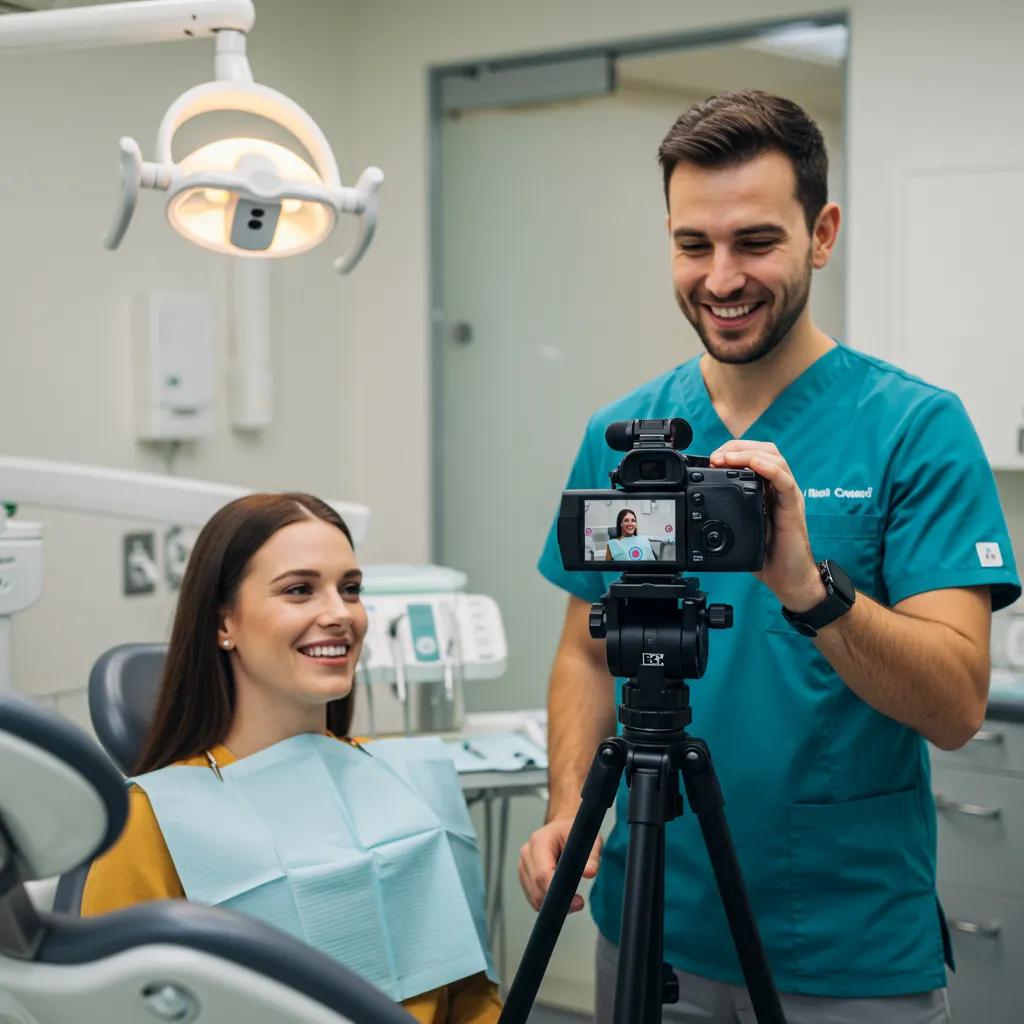
Video marketing is a dynamic medium that conveys clinical procedures, patient stories, and practice personality through sight, sound, and motion, which increases comprehension and emotional connection. Visual explanations reduce uncertainty, shorten decision-making time, and make appointment CTAs more compelling, translating into higher inquiry and booking rates when implemented on landing pages and listings. Recent behavior research indicates patients are more likely to watch a short explainer or testimonial before calling a practice, and that completion rates correlate with higher conversion. Practical benefits for clinics include faster patient education, improved consent processes, and social proof through testimonials that convert browsers into booked patients. Below are primary advantages clinics should prioritize when planning content.
- Higher engagement and retention: Video combines audio and visual cues to increase message recall and encourage action.
- Faster conversion paths: Videos on landing pages and profiles reduce friction and lift booking rates.
- Better patient education: Demonstrations and procedure walk-throughs lower anxiety and improve informed consent.
- Social proof and trust: Testimonial videos humanize the practice and drive local referrals.
These benefits lead naturally into understanding why video outperforms static formats for attention and emotional persuasion, which we explore next.
Why Does Video Marketing Boost Patient Engagement More Effectively?
Video increases patient engagement because it leverages visual learning, pacing, and narrative to make complex clinical information easier to absorb and remember. When a practitioner explains a procedure on camera, the combined cues — facial expressions, tone, and demonstrative visuals — create stronger trust signals than text alone, which shortens the time needed for a patient to decide to book. Completion rates, watch time, and click-throughs from videos act as behavioral evidence of intent and can be correlated with higher conversion events. For clinics, this means well-scripted short videos that highlight outcomes and next steps can substantially reduce no-shows and unqualified inquiries. Understanding these engagement mechanics sets up practical choices about video formats for clinic goals.
What Types of Video Content Work Best for Dental Practices?
Certain video formats consistently deliver value in dental and healthcare settings because they match patient intent and stage in the funnel, from awareness to booking. Testimonial and case-study videos build trust by showing real outcomes and patient voice, explainer videos demystify procedures and set expectations, staff-introduction clips personalize the practice, and short-form social videos reach new local audiences quickly. Each format has typical lengths: testimonials and explainers work well at 60–180 seconds on-site and as longer YouTube pieces, while social clips (Reels/TikTok) should be 15–45 seconds to maximize shareability. Choosing the right format depends on distribution goals and the patient journey stage you want to influence.
- Testimonial videos: 60–120 seconds for trust and social proof.
- Procedure explainers: 90–240 seconds for education and consent.
- Staff introductions: 30–60 seconds to reduce patient anxiety and increase familiarity.
- Short-form social clips: 15–45 seconds to broaden local reach and GBP engagement.
These format choices lead directly to conversion tactics where video assets are used to nudge patients toward booking.
How Does Video Marketing Improve Conversion Rates in Healthcare?
Video improves conversion rates by reducing information asymmetry, answering common objections visually, and presenting a clear next step with a CTA overlay or captioned booking link. When embedded on landing pages, a short explainer or testimonial can increase time on page, reduce bounce, and lift click-to-book actions; measured UTM campaigns show that video-driven landing pages often outperform text-only equivalents. Tracking requires event tagging for play, watch-completion, and CTA clicks so that completion rates can be correlated to appointment bookings in analytics. For clinics, practical CTAs include visible booking buttons, trackable phone taps, and follow-up forms triggered after video completion to capture intent and measure conversion uplift.
What Are the Cost and Production Considerations for Video Content?
Video production ranges from low-cost DIY to premium agency
- DIY: Minimal equipment, quick turnaround, best for social content.
- Mid-tier: Improved audio/lighting, ideal for landing pages and procedure explainers.
- Premium: High production value for flagship content, amortized via repurposing.
These production choices inform the broader content strategy of combining blog and video formats for sustained results.
After reviewing video advantages and production realities, consider implementing content marketing support. Milkcan Marketing specializes in content marketing and works with small healthcare practices to design patient-focused video campaigns and repurposing workflows. Clinics seeking help with video strategy and execution can inquire about Content Marketing services that align tactical video assets with local patient acquisition goals.
How Does Blog Content Build Authority and Drive Traffic for Dentists?

Blog content builds topical authority by covering patient questions in depth, matching search intent, and creating internal linking that signals relevance to search engines. Well-structured blogs answer queries, present evidence-based information, and act as perennial resources that attract organic traffic over months and years, which supports long-term visibility for service pages and Google Business Profiles. By providing educational content, blogs reduce patient friction at booking and serve as a reference for follow-up communication and patient resources. The long-form nature of blog posts enables keyword coverage across common dental concerns, which strengthens the practice’s topical presence and referral potential.
- SEO value: Evergreen articles capture queries and provide continuous inbound traffic.
- Patient education: Detailed posts reduce pre-appointment anxiety and improve informed consent.
- Authority building: Consistent posting demonstrates expertise and supports GBP relevance.
This role for blogs leads naturally into methods for structuring posts to maximize both SEO and conversions.
Why Is Long-Form Blog Content Effective for SEO and Patient Education?
Long-form blog content is effective because it satisfies diverse search intents and provides the topical depth needed for higher-ranking pages, especially when structured with clear headings, schema, and internal links. Covering procedural details, FAQs, and outcomes in a single authoritative page increases the chance of ranking for multiple related queries, improves dwell time, and creates opportunities for internal links that pass authority to key service pages. Transcripts and multimedia embedded in posts further enhance accessibility and search signals. For clinic teams, an optimal blog post often ranges from 900–1,800 words depending on complexity and should include a clear CTA to book or inquire.
How Can Blogs Establish Trust and Thought Leadership in Healthcare?
Blogs can establish trust by featuring practitioner-authored articles, evidence-backed references, and anonymized patient outcomes that show real-world results without breaching privacy. Including author bios with credentials, citing clinical sources, and linking to verified review signals strengthens credibility. Thought leadership emerges when posts address common patient concerns with depth and offer transparent treatment pathways, which encourages sharing and increases referral traffic. Practices that align blog content with GBP posts and reviews create a coherent local reputation that supports both search and direct inquiries.
What Are Best Practices for Creating Engaging Blog Posts for Patients?
Engaging blog posts use plain-language headlines, scannable subheadings, visual aids, and clear next steps to convert readers into booked patients. Readability features such as short paragraphs, bulleted lists, images or infographics, and embedded short videos increase comprehension and time on page. CTAs should be visible early and repeated logically (mid-article and at the end) to capture readers at different readiness stages. Optimizing meta descriptions and URL slugs for local keywords improves discoverability for nearby patients searching for services.
- Use a clear, benefit-led headline and descriptive meta.
- Break content into short sections with subheadings and bullets.
- Embed visuals, diagrams, or short videos to aid understanding.
- Include a clear booking CTA and contact details near the post end.
Applying these practices supports the measurement strategies we outline next.
How Do You Measure Blog Content Performance and Lead Generation?
Measuring blog performance requires tracking organic traffic, time-on-page, keyword rankings, and conversion events such as contact form submissions or appointment bookings attributed to the post. GA4 and Search Console provide traffic and query insights; implementing event tracking for CTA clicks, form submissions, and phone taps allows direct attribution. Assisted conversions reports can show how blog posts contribute to multi-touch journeys that eventually lead to booking. For clinics, monthly reporting should include organic sessions, top-performing posts, conversion counts, and keyword movement to justify ongoing investment.
| Metric | Description | Measurement |
|---|---|---|
| Organic Traffic | Visits from search engines to blog pages | GA4 organic sessions, Search Console queries |
| Time on Page | Engagement indicator for content depth | GA4 average engagement time per page |
| Assisted Conversions | Blog’s role in multi-touch booking journeys | GA4 assisted conversions report |
| Contact Actions | Form submissions, phone taps, booking clicks | GA4 events and call tracking records |
Tracking these metrics informs content choices and repurposing decisions that link blogs to video assets for maximum impact.
After evaluating blog performance, clinics may consider combining blog and local SEO work with a specialist. Milkcan Marketing provides local SEO and blog/content services designed to implement best-practice blog strategies for attracting local patients, including aligning blog topics with Google Business Profile posts and local keywords.
How Do Video Marketing and Blog Content Compare: Which Drives More Engagement and Conversions?
Video and blog content serve complementary roles: video typically drives higher immediate engagement and shares, while blogs build SEO-driven authority and long-term organic traffic. The right mix depends on goals, audience behavior, and resources; video wins for attention and conversion lifts on landing pages and profile posts, while blogs win for keyword coverage, long-tail discovery, and sustained lead generation. Comparing cost, production time, and distribution clarifies where each format fits in a clinic’s marketing funnel and how to prioritize investment. The table below summarizes engagement, conversion uplift, typical production cost, and time-to-publish for both formats.
| Content Type | Attribute | Typical Value |
|---|---|---|
| Video | Engagement | High watch-time, strong emotional impact |
| Video | Conversion uplift | Medium–High on landing pages and GBP posts |
| Video | Production cost/time | Low (DIY) to high (agency); weeks to produce |
| Blog | Engagement | Moderate time-on-page, depth-driven |
| Blog | Conversion uplift | Low–Medium through SEO and nurturing |
| Blog | Production cost/time | Low–Medium; days to publish |
This comparison shows that combining both formats often yields the best overall funnel performance, which we explore in the next subsections.
What Are the Differences in Engagement Rates Between Video and Blog Content?
Engagement benchmarks differ by platform: video typically produces higher shares, comments, and completion rates on social platforms and increases time on page when embedded on sites, while blog posts generate longer dwell time for readers actively researching conditions. Video completion rate and watch-time are direct engagement measures; blogs rely on scroll depth and time-on-page. Platform behavior matters: YouTube viewers expect longer content, while Reels or TikTok prioritize short, attention-grabbing clips that maximize local reach. Understanding these variations helps clinics choose the right format for the audience and channel they are targeting.
How Do Conversion Rates Vary Between Video and Blog Strategies?
Conversion rates vary by placement and intent: videos on landing pages or GBP posts often show immediate lifts in click-to-book actions, while blogs contribute more to assisted conversions that nurture prospects over time. A/B testing is critical: swapping a hero image for a short explainer video on a booking page may reveal a measurable increase in bookings, whereas blogging improves search visibility that delivers steady inquiries over the long term. Attribution methods such as UTM parameters and GA4 event tracking help separate direct video-driven conversions from blog-assisted bookings.
What Are the SEO Implications of Video vs. Blog Content?
Blogs improve keyword coverage and topical depth, enabling ranking across long-tail queries, whereas video helps SEO indirectly via increased dwell time, backlinks from shareable content, and video search presence. Implementing structured data is essential: use VideoObject schema for videos and BlogPosting schema for articles, and always include transcripts to make spoken content indexable. Embedding a transcript beneath a video in a blog post creates a hybrid page that benefits from both video signals and long-form text relevance.
| Strategy | Characteristic | Impact |
|---|---|---|
| VideoObject schema | Mark up video metadata | Improves video indexing |
| Transcripts | Text version of video | Enhances keyword signals |
| BlogPosting schema | Structured article data | Better snippet eligibility |
These technical steps help both formats contribute to organic discoverability and should be part of a clinic’s content checklist.
How Do Cost, Production Time, and Shareability Compare?
Videos typically require more production effort but tend to be more shareable, while blogs are cheaper per asset and easier to scale for SEO. Short-form video can be produced quickly with minimal equipment and still yield strong shareability, while high-quality explainers or case-study films demand more time and budget but provide flagship assets. Blogs can be published faster and repurposed into multiple short videos and GBP posts to amplify reach. Choosing the right balance depends on available staff time, budget, and the intended distribution channels.
| Approach | Cost | Time-to-publish | Shareability |
|---|---|---|---|
| Short-form video | Low | 1–7 days | High |
| Mid-form explainer | Medium | 1–3 weeks | Medium |
| Long-form blog | Low–Medium | 3–10 days | Low–Medium |
Knowing these trade-offs informs a practical hybrid production calendar that maximizes value from each asset.
How Can Dental Practices Combine Video and Blog Content for Maximum Impact?
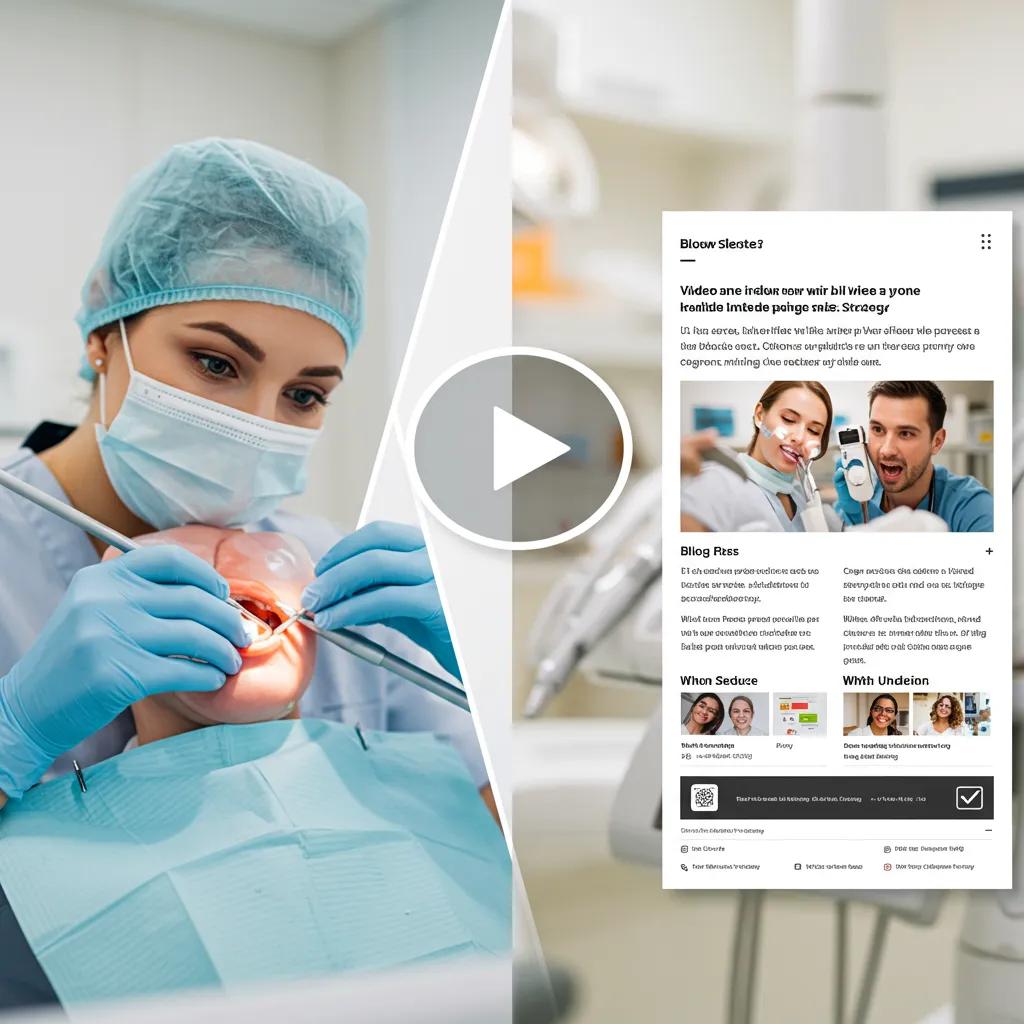
Combining video and blog content multiplies value when assets are designed for repurposing: a single long-form blog can provide the script for an explainer video, while the video transcript forms the basis of the post, and short clips can be used for social and GBP posts. Embedding videos within related blog posts increases time on page and creates richer pages for search. A repurposing workflow minimizes production cost per asset and ensures consistent messaging across channels, improving both SEO outcomes and conversion rates. The next subsections give practical embedding tips, a step-wise repurposing template, and short case-style outcomes to guide implementation.
What Are Effective Ways to Embed Videos Within Blog Posts?
Embedding a video near the top of a blog post or within the most relevant section increases early engagement and signals relevance to users and search engines. Include a short caption, a transcript below the video, and time-stamped highlights for user convenience. Use VideoObject schema to mark up the video metadata and ensure the featured image, video thumbnail, and meta description are optimized for local search. A clear CTA should appear adjacent to the embedded player so viewers can convert immediately after watching. These steps help videos boost blog performance and should be part of every post template.
How Can Content Be Repurposed Across Video and Blog Formats?
A structured repurposing workflow turns one asset into many, reducing marginal cost and improving reach. Start with a long-form blog or recorded consultation, extract a script for a long explainer, edit that into short clips for social, and convert transcript sections into GBP posts and FAQ pages. Using consistent messaging across assets preserves trust and makes tracking easier with UTMs assigned by platform and content type. Frequency recommendations depend on resource levels: a modest cadence might be one long blog and one explainer plus three short clips per month.
- Create a long-form blog answering a core patient question.
- Produce a 2–4 minute explainer video using the blog as script.
- Edit 3–6 short clips from the explainer for social and GBP posts.
- Publish the blog with embedded video and transcript; tag UTMs for tracking.
This repurposing approach feeds directly into measurable performance improvements discussed in the metrics section.
What Case Studies Show Success Using a Hybrid Content Approach?
Hypothetical clinic case studies illustrate measurable outcomes from hybrid approaches: a small dental clinic published an educational blog plus an embedded explainer video and tracked a 25% increase in organic bookings from search within three months, while another clinic used testimonial videos repurposed into social clips and saw a 30% rise in GBP post engagement and a lift in phone inquiries. Key lessons include the importance of consistent CTAs, using transcripts for SEO, and batching production to lower per-asset costs. These outcomes demonstrate the compounded benefits of combining formats and inform practical roadmaps for clinics with limited resources.
| Outcome | Tactics Used | Key Takeaway |
|---|---|---|
| Traffic uplift | Blog + embedded explainer | Embedding video improved time-on-page and rankings |
| Enquiry increase | Testimonial clips on GBP/social | Short clips amplified local engagement and calls |
| Cost efficiency | Batch production + repurposing | One shoot yielded multiple assets across channels |
These case-style findings support choosing a hybrid strategy matched to clinic goals and capacity.
How Should Healthcare Practices Choose the Best Content Strategy for Their Goals?
Choosing a content strategy requires mapping practice goals, audience preferences, and resources to the right mix of video and blogs. Awareness goals demand short, shareable video and social content to build reach, while education and booking goals benefit from long-form blogs and embedded explainers that nurture patients toward conversion. Budget and team capability determine whether in-house DIY or agency production is appropriate. Clinics should prioritize a small set of high-impact topics, create assets that can be repurposed across channels, and set measurable KPIs to evaluate success. The table below helps match practice types and goals to recommended formats and example KPIs.
| Practice Type/Goal | Recommended Format | Example KPI |
|---|---|---|
| New patient awareness | Short-form social video | Impressions and GBP post interactions |
| Complex procedures | Explainer video + blog | Booking rate and time-to-book |
| Reputation building | Testimonial videos + blog case study | Call volume and review growth |
Using this mapping, clinics can allocate budget and time to the formats that best serve their strategic priorities and measure outcomes effectively.
How Do Audience Preferences Influence Content Format Choices?
Audience demographics and platform habits shape format selection: younger patients may prefer short-form social videos, while older patients researching procedures often favor long-form articles and thorough explainers. Mapping content to funnel stage is key: awareness content should be lightweight and highly visual, whereas conversion-focused materials need depth and clear CTAs. Building simple personas — for example, “young family seeking preventive care” versus “adult researching cosmetic procedures” — clarifies which channels and formats to prioritize. Understanding these preferences ensures resources are used where they will drive the most bookings.
What Budget and Resource Factors Affect Content Strategy Decisions?
Budget affects whether a clinic produces content in-house or engages external help; resource constraints often make batching and repurposing essential to keep cost per asset low. Staff time should be accounted for planning, filming, editing, and distribution; when time is scarce, clinics may outsource editing or strategic planning while retaining on-camera talent. A recommended first-year allocation might prioritize a small set of cornerstone pieces (one explainer video and three blog posts) with repurposing into multiple short clips to maintain cadence without continuous production spend. Prioritizing high-impact topics and measurement reduces wasted effort.
How Will AI and Future Trends Shape Video and Blog Content Effectiveness?
AI tools are accelerating production and ideation, offering captioning, editing assistance, and topic generation that reduce turnaround and costs. AI can produce accurate transcripts, suggest on-page SEO improvements, and even create rough video edits for social distribution, but quality control remains essential in clinical contexts to ensure accuracy and compliance. Emerging trends include interactive video features, AI-generated captions optimized for search, and platform shifts that favor short, native video formats. Clinics should experiment with AI to scale production while maintaining professional oversight and patient-appropriate content standards.
What Are the Best Metrics to Track Success in Video Marketing vs. Blog Content?
Selecting the right metrics enables clinics to measure impact and allocate resources effectively, mapping engagement and conversions to business outcomes. Videos and blogs require both engagement KPIs (views, watch time, time on page, shares) and conversion KPIs (appointment bookings, form submissions, call volume). Tools such as GA4, Search Console, and YouTube Analytics are essential for measurement, and event-based tracking with UTMs ensures accurate attribution. The table below maps common metrics to recommended measurement tools and how to interpret them for clinic decision-making.
| Metric | Best For | How to Measure / Tool |
|---|---|---|
| Views / Sessions | Reach | YouTube Analytics, GA4 sessions |
| Watch Time / Time on Page | Engagement depth | YouTube Analytics, GA4 engagement time |
| Completion Rate | Content relevance | YouTube Analytics / platform metrics |
| Conversion Events | Bookings / inquiries | GA4 events, call tracking, CRM attribution |
These mappings guide monthly reporting and optimization cycles, helping clinics understand which assets to scale and which to refine.
Which Engagement Metrics Best Reflect Video Content Performance?
Key video KPIs include views, watch time, completion rate, and shares; together they indicate how compelling a video is and its likelihood to drive action. High watch time and completion suggest viewers found the content valuable, while a strong share rate signals social resonance and potential referral traffic. Platform nuances matter: YouTube favors longer watch time per session, while Instagram and TikTok reward short, repeatable clips. Clinics should define benchmarks based on platform and content type and iterate creative elements — thumbnails, hooks, and captions — to improve these metrics.
How Can Conversion Rates Be Accurately Measured for Both Content Types?
Accurate conversion measurement requires consistent tagging and event tracking: use UTMs for each distribution channel, set up GA4 events for play, CTA clicks, and form submissions, and implement call-tracking to attribute phone inquiries. Multi-touch attribution analyses help reveal the role of blogs as an assist versus videos as a direct converter. For reliable measurement, maintain a tracking plan that aligns campaign links, landing pages, and CRM entries so bookings can be traced back to the originating content asset.
What Tools and KPIs Help Monitor Content Strategy Effectiveness?
An essential toolkit includes GA4 for site analytics, Google Search Console for query and indexing insights, YouTube Analytics for video behavior, and social platform analytics for reach and engagement. Monthly KPI dashboards should show organic traffic trends, top-performing posts and videos, conversion counts by content asset, and cost-per-acquisition where spend is involved. Reviewing these KPIs monthly enables iterative improvements and resource reallocation toward the most effective formats.
- Core monthly dashboard items:
- Organic sessions and top landing pages
- Top-performing videos by watch time and completion
- Conversion events attributed to content (bookings, forms, calls)
- Content cadence and repurposing outcomes
Monitoring these metrics provides clarity on which content types drive measurable patient acquisition.
What Are Common Questions About Video Marketing vs. Blog Content in Healthcare?
Clinics frequently ask whether video or blogging is “better,” what ROI looks like, and how to balance costs and effort. The short answer is that both are valuable and often work best together; the right mix depends on immediate goals, audience, and resources. Below are concise, schema-friendly answers to common queries that clinics search for when deciding a content plan and allocating budgets for patient acquisition.
What Are the Key Benefits of Using Video Over Blogging?
Video delivers higher emotional impact and retention, is better at demonstrating procedures and testimonials, and often prompts faster CTA responses in some channels. It shortens decision time by visually answering common worries and showing outcomes. For many clinics, using video for consent and FAQ reduces in-clinic explanation time and improves patient satisfaction. Combining video with blog content multiplies reach and SEO benefits.
Social Media Marketing for Dental Practices: Improving Patient Throughput and Building Trust
For dental practices, these platforms serve not only to enhance visibility but also to foster trust, convey expertise, and influence patient decision-making. This study explores how social media marketing enhances patient flow in dental clinics located in Abu Dhabi, Dubai, and Sharjah. Employing a qualitative methodology, the study involved in-depth interviews with ten dentists who actively use digital platforms for professional purposes. Through thematic analysis, five core themes emerged: trust building and credibility, content strategies for engagement, platform selection, barriers to digital marketing, and evaluating marketing performance. The findings highlight that while social media improves outreach and relationship building, challenges persist, particularly concerning time constraints, content saturation, and lack of data-driven decision-making tools.
Digital Engagement and Patient Acquisition in Dental Clinics: Insights from UAE Dentists, 2025
Can Videos Really Boost My Website’s SEO?
Yes — videos can support SEO by increasing dwell time, earning backlinks, and improving user engagement signals; however, technical optimization is necessary. Include transcripts, use VideoObject schema, optimize thumbnails and titles, and embed videos within relevant pages. These steps make video content indexable and strengthen the page’s topical relevance for search engines.
Should I Consider Creating Both Videos and Blog Posts?
Yes — both formats complement each other. Start by identifying high-impact topics, create one long-form piece (blog or video) and repurpose it into the other format and short clips. Prioritize formats based on audience and goals, allocate resources for repurposing, and track performance to scale what drives bookings.
How Expensive Is It to Create High-Quality Videos?
Costs vary widely: short social clips can be produced in-house for minimal cost, mid-tier explainers require modest investment for sound and lighting, and premium productions involve higher budgets. Offset costs by batching shoots, repurposing footage into multiple assets, and tracking ROI to justify ongoing spend.
How Can I Track the Success of My Video Content?
Track success with UTMs, GA4 event tagging (play, completion, CTA clicks), YouTube Analytics for watch behavior, and call tracking for phone conversions. Map video-driven events to booking outcomes in your CRM to measure direct and assisted conversions and iterate content based on what drives the best patient actions.
For clinics seeking implementation support or an audit of content performance, Milkcan Marketing offers Content Marketing services tailored to small healthcare practices with a focus on local SEO, Google Business Profile integration, and repurposing workflows. Clinics can request an audit or inquiry about combining video and blog strategies through Milkcan Marketing’s dental marketing services.